
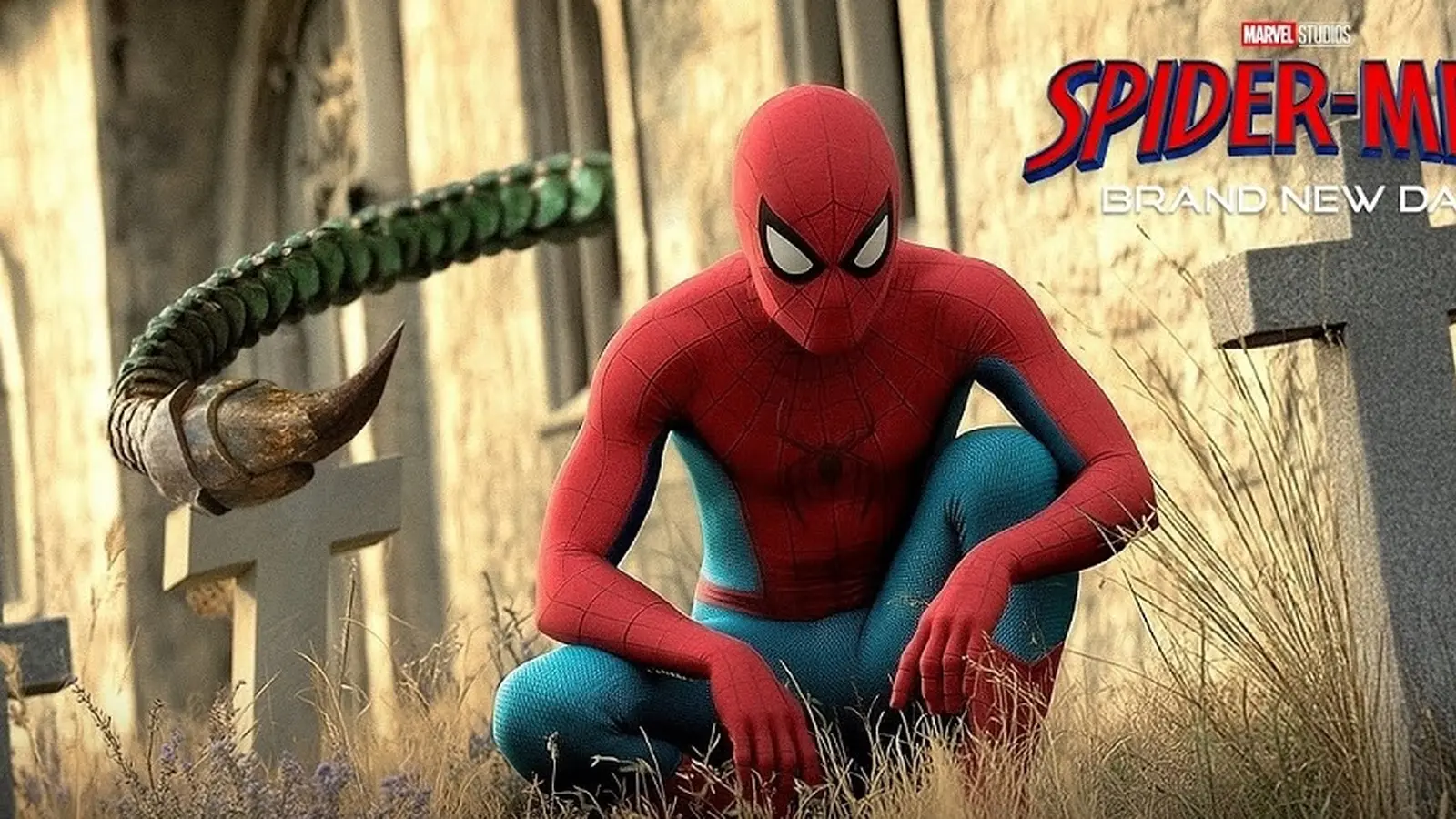
How the rumor mill finally quieted down
Nearly two decades after development on Spider-Man 4 stalled, director Sam Raimi has publicly closed the book on long-running casting gossip about the film’s would-be villain. Fans have long wondered who would have faced Tobey Maguire’s Peter Parker in a fourth installment of Raimi’s beloved trilogy. Recent comments from the director now separate fact from fanfiction.
What actually happened during development
After Raimi completed Spider-Man 3 (2007), studio and creative tensions, plus scheduling delays, slowed work on a fourth movie. Before Sony pivoted to reboot the franchise with The Amazing Spider-Man starring Andrew Garfield, rumor pages lit up with claims that Rachel McAdams was in talks to play Black Cat as the film’s antagonist. McAdams herself denied those negotiations at the time.
Raimi has now told CinemaBlend that the black cat story was never real: there were no female-villain auditions for Spider-Man 4 in his experience. Instead, the only serious casting discussion he confirms involved John Malkovich for the role of the Vulture — a choice that was reportedly promising but never came to fruition before Raimi left the project. In other words, the production never advanced to the kind of audition process that would have supported the McAdams rumors.
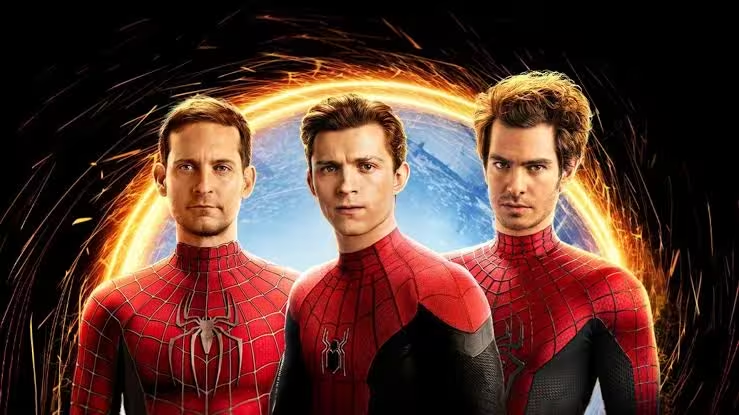
Context: why this matters to fans and film history
This clarification matters because Raimi’s Spider-Man films are touchstones in superhero cinema, blending emotional stakes with kinetic action in a way that influenced many subsequent comic-book movies. Had Spider-Man 4 been made under Raimi’s hand, it might have continued the trilogy’s tonal arc — much like how Sam Raimi’s Evil Dead sequels preserved a consistent voice across installments. Instead, Sony’s reboot signaled a different creative direction, illustrating a broader industry pattern: studios often reboot or recast franchises when creative disagreements or delays stall a director-led vision.
Behind the scenes and fan reaction
Fans have long indulged in “what-if” scenarios about Raimi’s abandoned sequel: concept art, hypothetical villain matchups, and online petitions to bring back the original team. The confirmed Malkovich talks are a juicy bit of behind-the-scenes trivia that adds texture: imagining his distinct screen presence as a Spider-Man villain fuels lively fan speculation even now. Critics note that Raimi’s decision not to return — saying he’d pass the torch rather than revive his own take — was likely wise; returning to a franchise after years can undercut both creative freshness and audience expectations.
Comparatively, directors like Christopher Nolan and James Gunn have shown how sustained creative control or a deliberate handover can preserve tone across sequels and reboots. Raimi’s stance underscores an important lesson in franchise filmmaking: sometimes stepping away protects both the original vision and the property’s future.
A short, candid clarification — and a reminder that many movie legends live on in the realm of “almost-but-not-quite.”

Leave a Comment
Comments
No comments yet. Be the first.