
When a demo turns into a controversy
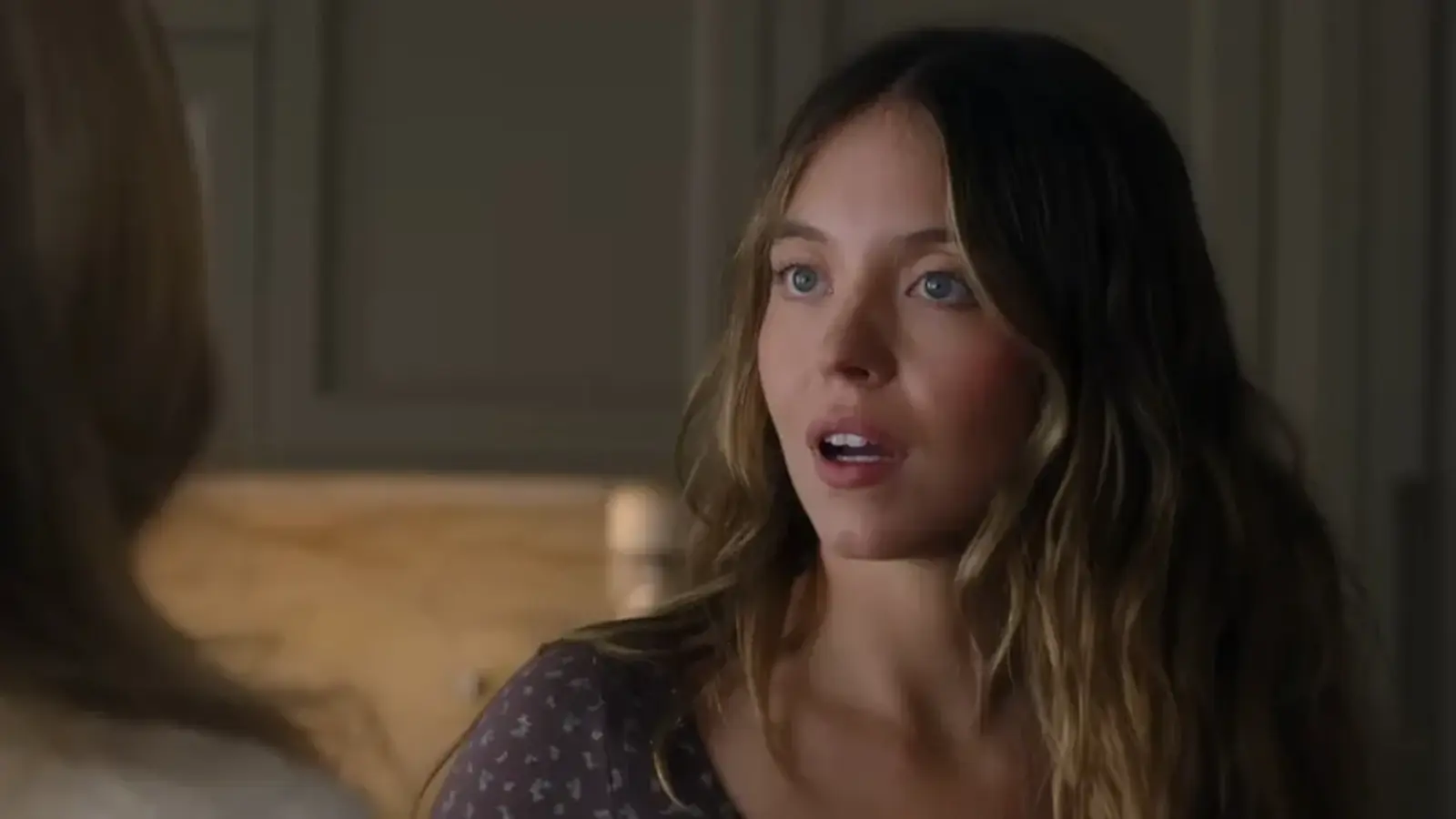
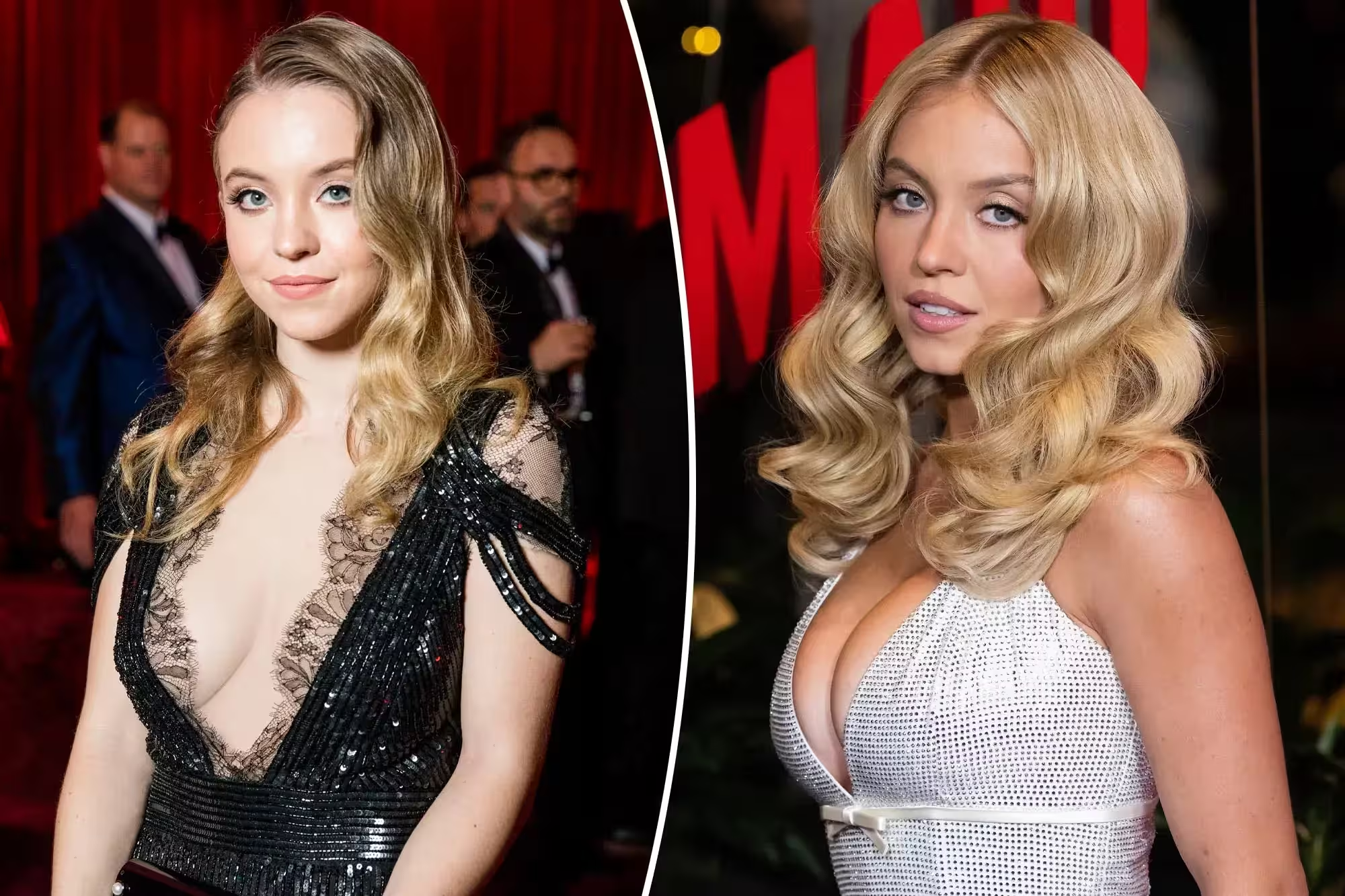
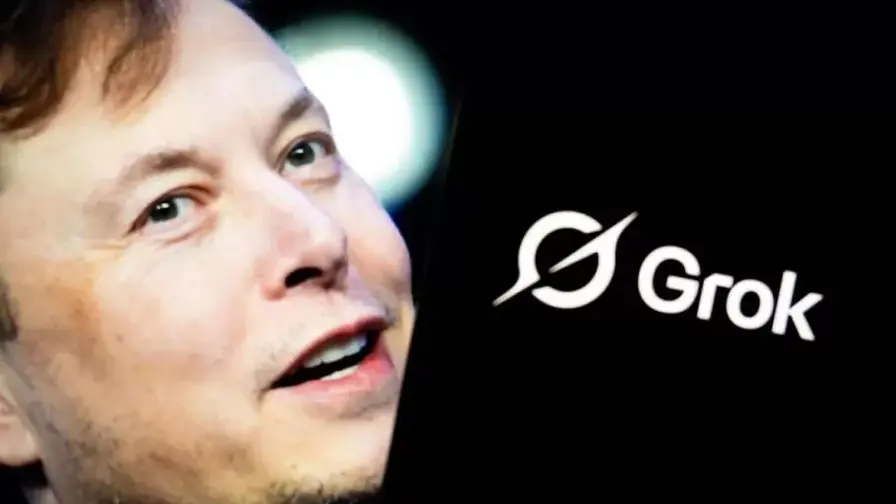
Elon Musk ignited fresh debate after sharing a short AI-generated clip on X that recreates a digital likeness strongly resembling actress Sydney Sweeney. The post was positioned as a showcase for Grok Imagine, the xAI video tool, which Musk said now produces 10-second videos with markedly improved audio quality. What began as a platform demo quickly became a lightning rod for discussion about likeness, consent, and the accelerating capabilities of AI in visual storytelling.
The clip and how it was made
The ten-second scene shows a photorealistic, cinematic variant of Sydney Sweeney sitting in a spacecraft, talking with another AI-created character about Grok Imagine's new 10-second limit. The clip originated from X user Alex Patrascu, who published the exact prompt used to generate the piece. The prompt emphasized a live-action look, handheld camera moves, dramatic lighting, and layered sound design. Notably, the actress's name was reportedly not included verbatim in the prompt, which has prompted questions about how such a close resemblance was achieved—whether through dataset exposure, emergent model behavior, or skilled prompt engineering.
Context matters: the film and VFX world has long used digital doubles and voice recreation, from de-aging work in films like The Irishman to posthumous digital performances. But those effects are typically contracted and tightly controlled within production pipelines. Musk's public demo highlights how quickly similar photorealism can move out of studio VFX and into consumer-facing social platforms.
Industry and cultural implications
This episode touches on several trending industry conversations: union concerns around AI replacing performers or exploiting their likeness without compensation; the legal gray areas of publicity rights across jurisdictions; and the creative possibilities for indie filmmakers and visual artists who can now experiment with photoreal AI characters. Fans and critics on X were divided—some praised the technical craft and sound design, others accused the clip of bordering on a deepfake and criticized the choice to present it using a recognizable actor’s visage.
Comparisons and critical perspective
Compared with high-budget visual effects used in feature films, this Grok clip is a reminder that accessible AI tools are lowering the barrier for photoreal imagery. Where a studio pipeline might spend months and millions to perfect a digital double, modern generative systems can produce convincing snippets in minutes. That speed raises new ethical and practical questions for casting directors, VFX houses, and legal teams.
A short note for film lovers: this isn’t just tech spectacle. It signals a shift in how visual effects, publicity rights, and storytelling tools will converge—quickly.

Leave a Comment
Comments
No comments yet. Be the first.