
3 Minutes
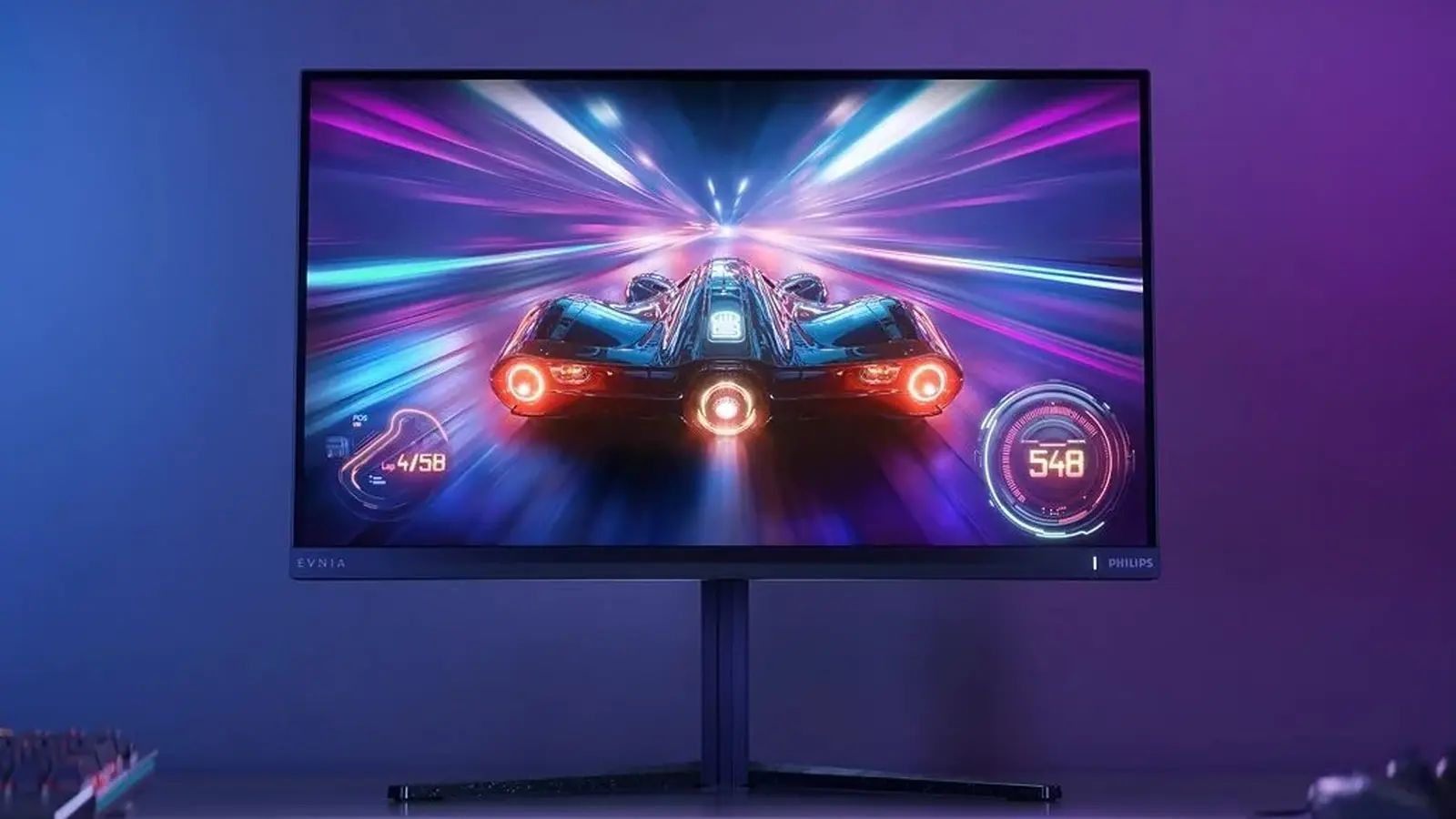
Imagine a monitor that treats refresh rates like speed limits to be ignored. Philips just put one on sale in China: the Evnia 27M2N5500XD, a 27-inch gaming display that runs natively at 500 Hz and can spike to 1,000 Hz if you drop resolution to 1280 x 720. That number alone will turn heads — and stir the usual debate about real-world benefit versus marketing bravado.
At the heart of the Evnia is TCL CSOT’s HFS Shoot IPS panel, a fast-twitch screen tech already spotted in other esports-focused displays. The panel lets Philips claim blistering response times — 1 ms typical and a 0.3 ms Smart MBR mode for aggressive motion blur reduction. In practical terms, fast-moving targets will look cleaner, but pixel persistence and perceived motion depend on everything from game engine timing to your GPU's output.
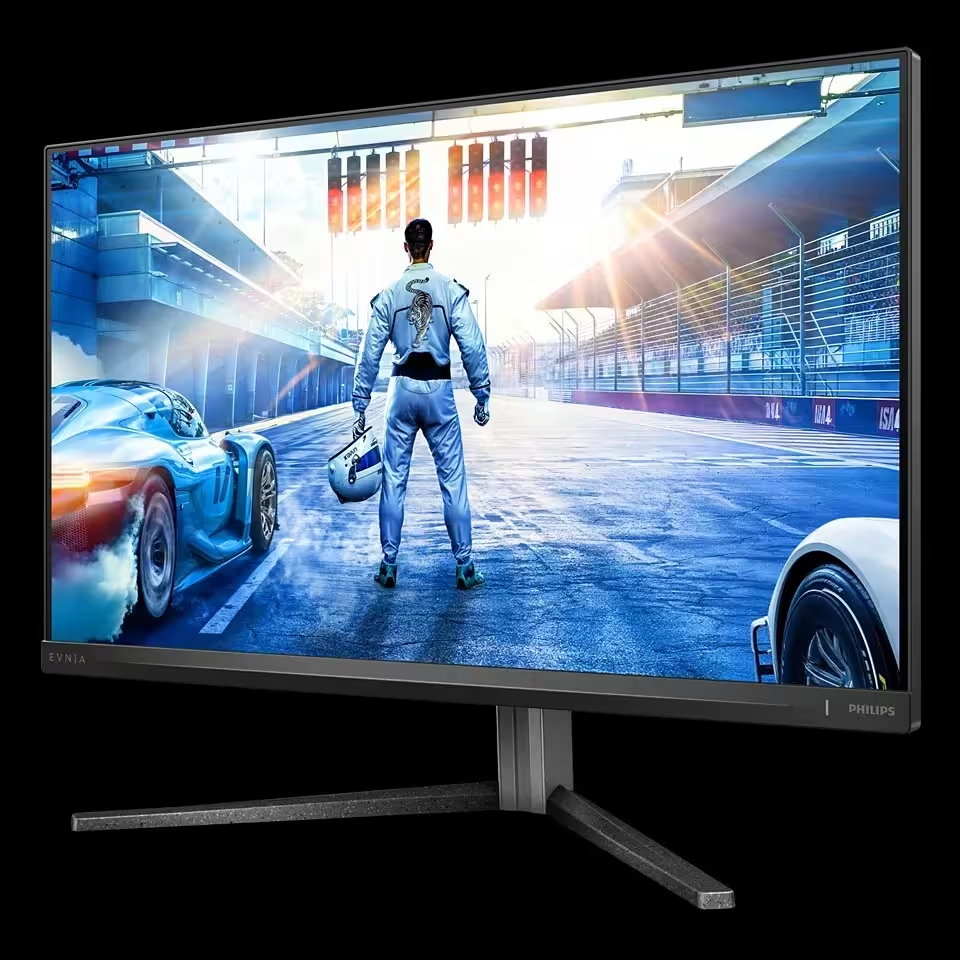
Philips doesn’t skimp on color either. The monitor carries VESA DisplayHDR 400 certification, peaks at about 500 nits in HDR scenes and sits around 350 nits in SDR. Color coverage is strong: 96% DCI-P3, 100% sRGB and 94% Adobe RGB. Contrast is rated 2000:1, which is solid for an IPS-type panel. Still, if you live for deep blacks and dramatic HDR specular highlights, Mini LED or OLED screens will outclass this more affordable route.
What should competitive players care about? The Evnia packs features tailored to fast shooters. Alongside FreeSync variable refresh support there are software tools named Smart Sniper, Shadow Boost and Smart Crosshair, all designed to help visibility and aim. These are small touches, but when milliseconds matter, they add up — and they speak to the monitor's esports-first focus.
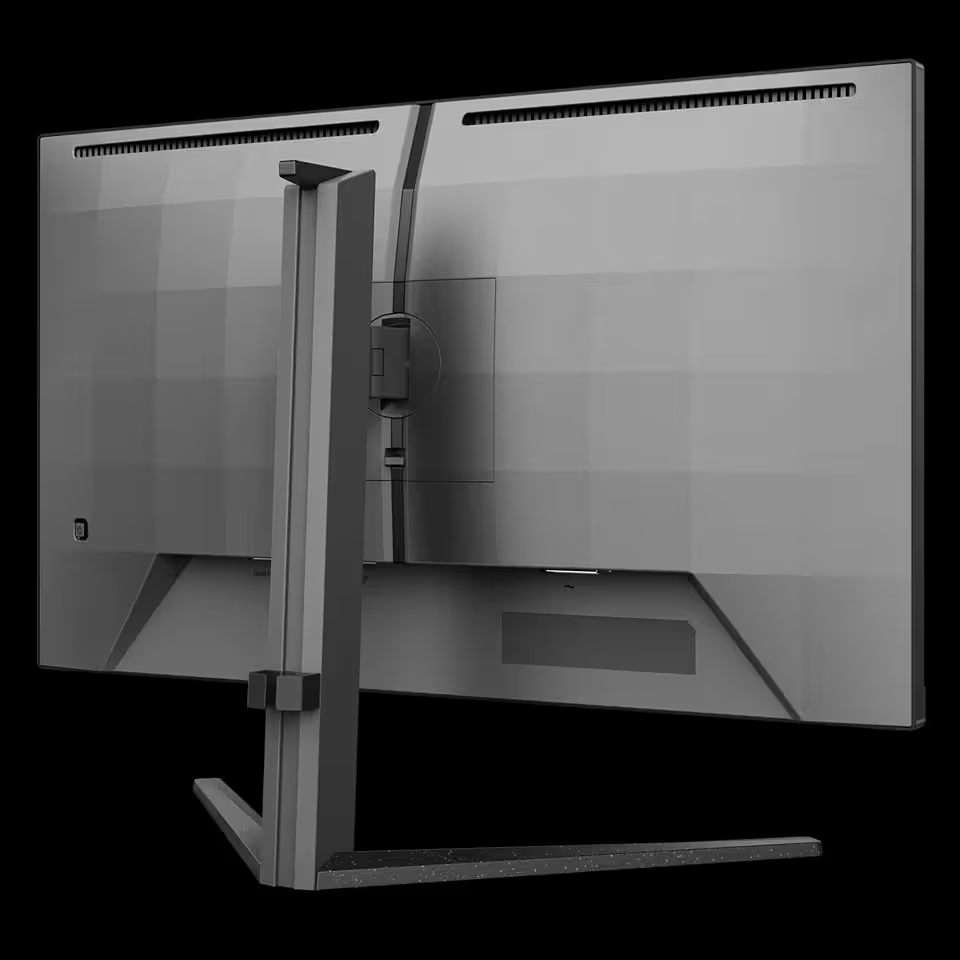

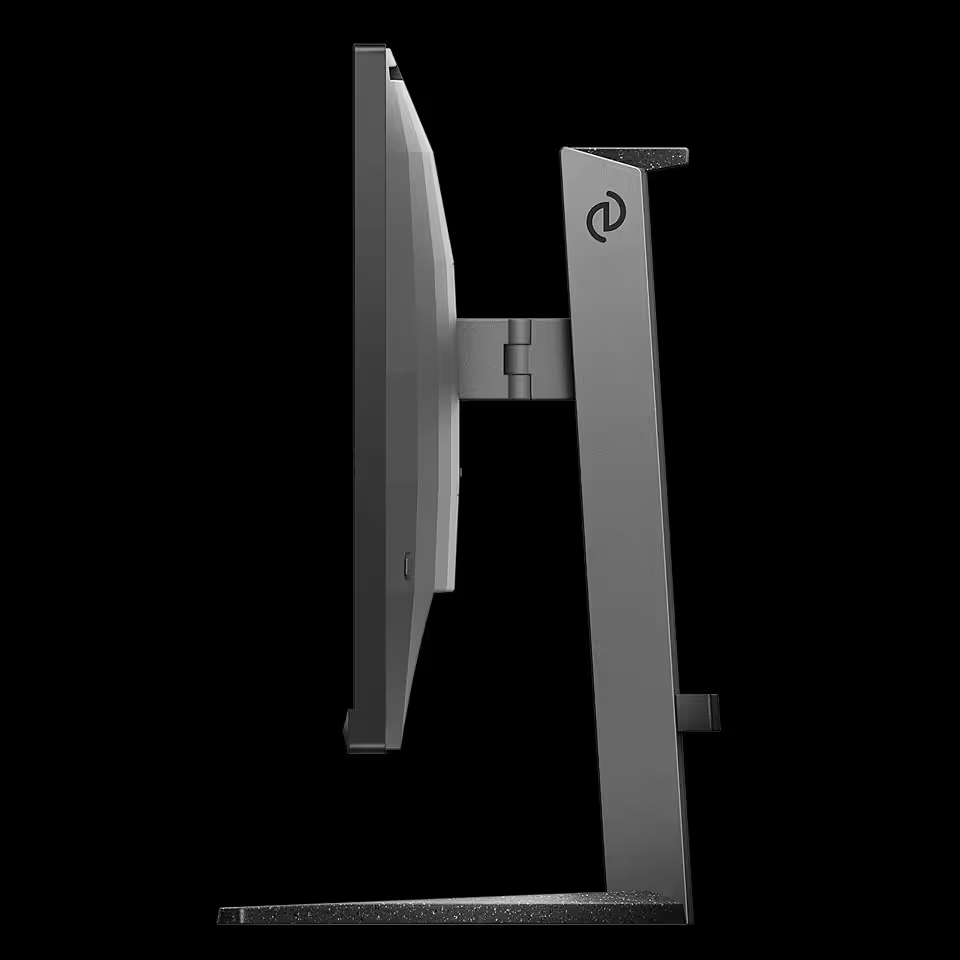
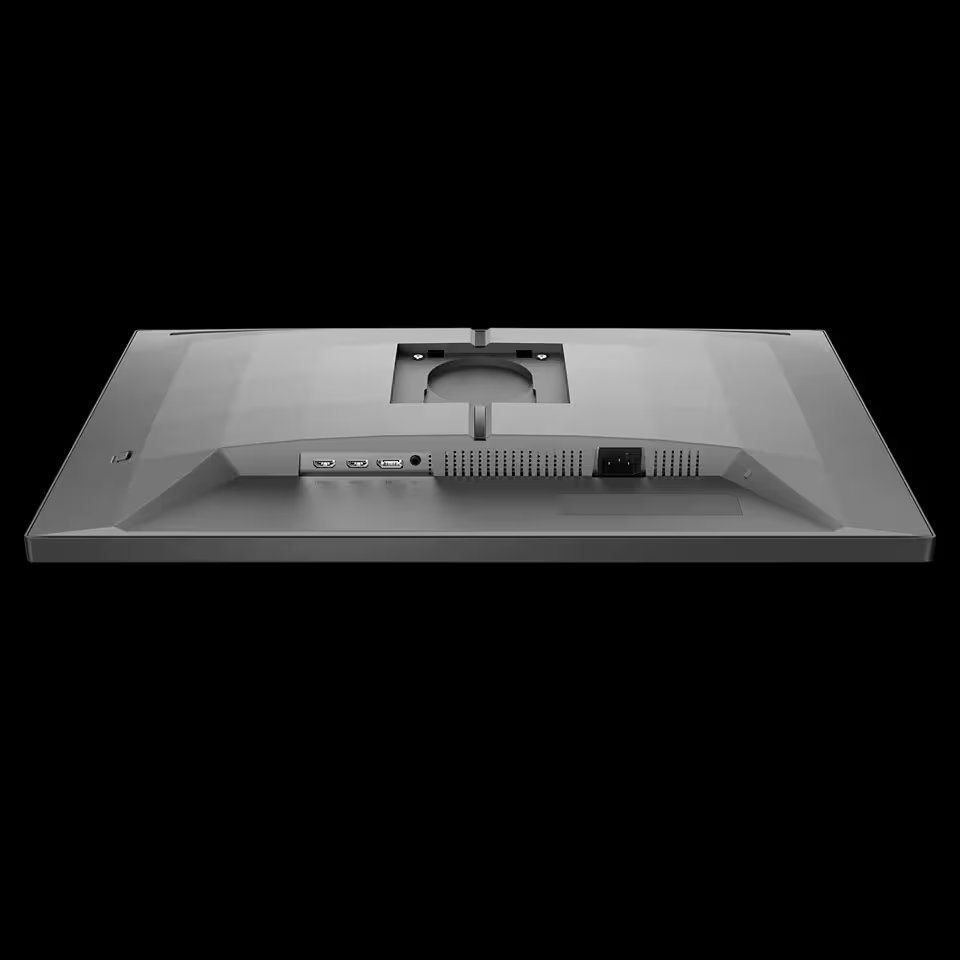
Connectivity is modern and generous. You get DisplayPort 2.1 with UHBR20 bandwidth to push lossless frames at extreme rates, plus HDMI 2.1 ports offering full 48 Gbps throughput. There’s a headphone jack and an ergonomic stand with height, swivel, pivot and tilt adjustments, so it’s practical as well as fast.
Let’s clear one thing up: the jump to 1,000 Hz happens only at a greatly reduced resolution. That makes sense technically — fewer pixels mean the panel can be driven faster — but it’s not a blanket upgrade for every game or setup. Competitive players with high frame-rate rigs and a focus on raw input responsiveness might value that mode. For most users, 500 Hz at the native 2560 x 1440 will already feel absurdly smooth.
How does this compare to recent 720 Hz OLED announcements? Those OLED models boast astonishing refresh rates too, and OLED has the upper hand in contrast and black levels. But OLED at extreme refreshes faces its own engineering balancing acts, including longevity and burn-in concerns in some use cases. Philips is aiming instead for a high-refresh IPS that compromises less on peak brightness and color volume.
The monitor is shipping in China now. Philips says a wider launch is planned, but there’s no global release date or price yet. Expect the usual questions from the community: will this hit Western markets, and will the 1,000 Hz mode be useful enough to justify a purchase? If you chase every edge in competitive gaming, the Evnia makes a persuasive technical case — but how much that edge matters depends on your game, your rig, and how keen you are to lower resolution for raw speed.

Whether the industry needs ever-higher numbers or a smarter focus on balance and image quality is a debate worth watching. For now, Philips has pushed refresh rate engineering into a provocative corner — and competitive players are already testing whether that corner makes them faster or just flashier.







Leave a Comment
Comments
No comments yet. Be the first.