

2 Minutes
Apple just wrote a check for something you might never notice — until it starts answering you in a whisper. The company has acquired Israeli audio AI startup Q.ai in a deal valued at roughly $2 billion, making it one of Apple’s largest purchases since Beats.
Q.ai is small but intense: about 100 people, a handful of founders, and a stack of tech aimed squarely at making machines hear better. Their work spans whispered-speech recognition and advanced audio restoration for hostile listening environments — think crowded rooms, wind, or a muffled voice on a busy street.
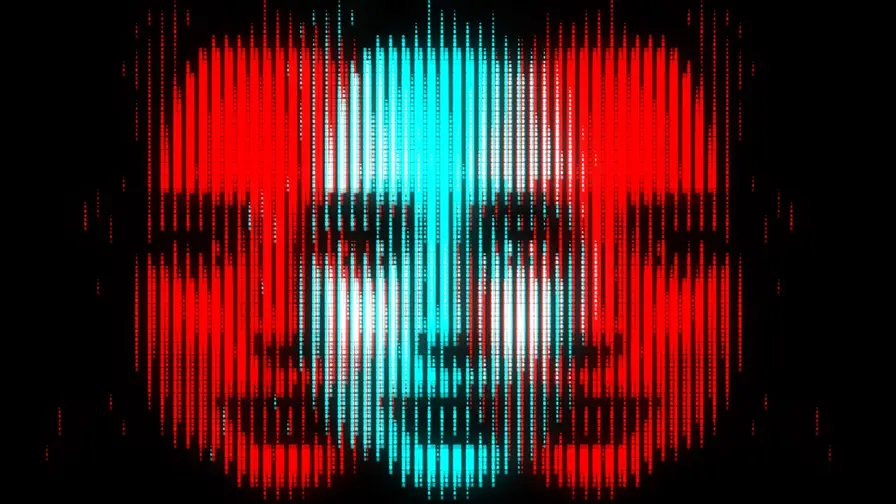
What turns heads is their patent filings. Q.ai has explored using 'facial skin micromovements' to infer mouthed or spoken words, identify individuals, and even gauge emotions and heart rate. That’s sensor fusion pushed beyond microphones and into the subtle choreography of the face — a layer of input that could change how devices understand speech when sound alone fails.

All of Q.ai’s employees will join Apple, including CEO Aviad Maizels and co-founders Yonatan Wexler and Avi Barliya. Maizels has pedigree: he founded PrimeSense, the company Apple acquired in 2013 and whose depth-sensing work helped power Face ID. The pattern is familiar. Apple buys niche teams, folds their expertise into hardware and silicon, and ships features that feel seamless.
Why would Apple pay a premium for a tiny audio lab? The answer lives across products. Better whisper recognition and noise-robust audio could improve Siri, unlock new hands-free controls for AirPods, and bolster on-device processing for privacy-minded features. It’s also an insurance policy against competitors who are racing to embed practical, low-latency AI into everyday gadgets.
There are trade-offs. Techniques that infer identity, emotion, or physiological signals from facial micro-movements raise obvious privacy and regulatory questions. Apple has long made privacy a selling point; integrating this kind of sensing will require careful design, transparent controls, and likely a legal checklist.
For now, the deal signals where Apple thinks the next user-facing breakthroughs will come from: not just better microphones or louder speakers, but smarter ways of parsing human signals when audio is imperfect. Expect the Q.ai team’s fingerprints to surface quietly, woven into the next wave of voice features rather than announced as a marquee product.
Listen closely — the changes may be subtle, but they could reshape how we talk to our devices.





Leave a Comment
Comments
No comments yet. Be the first.