
3 Minutes
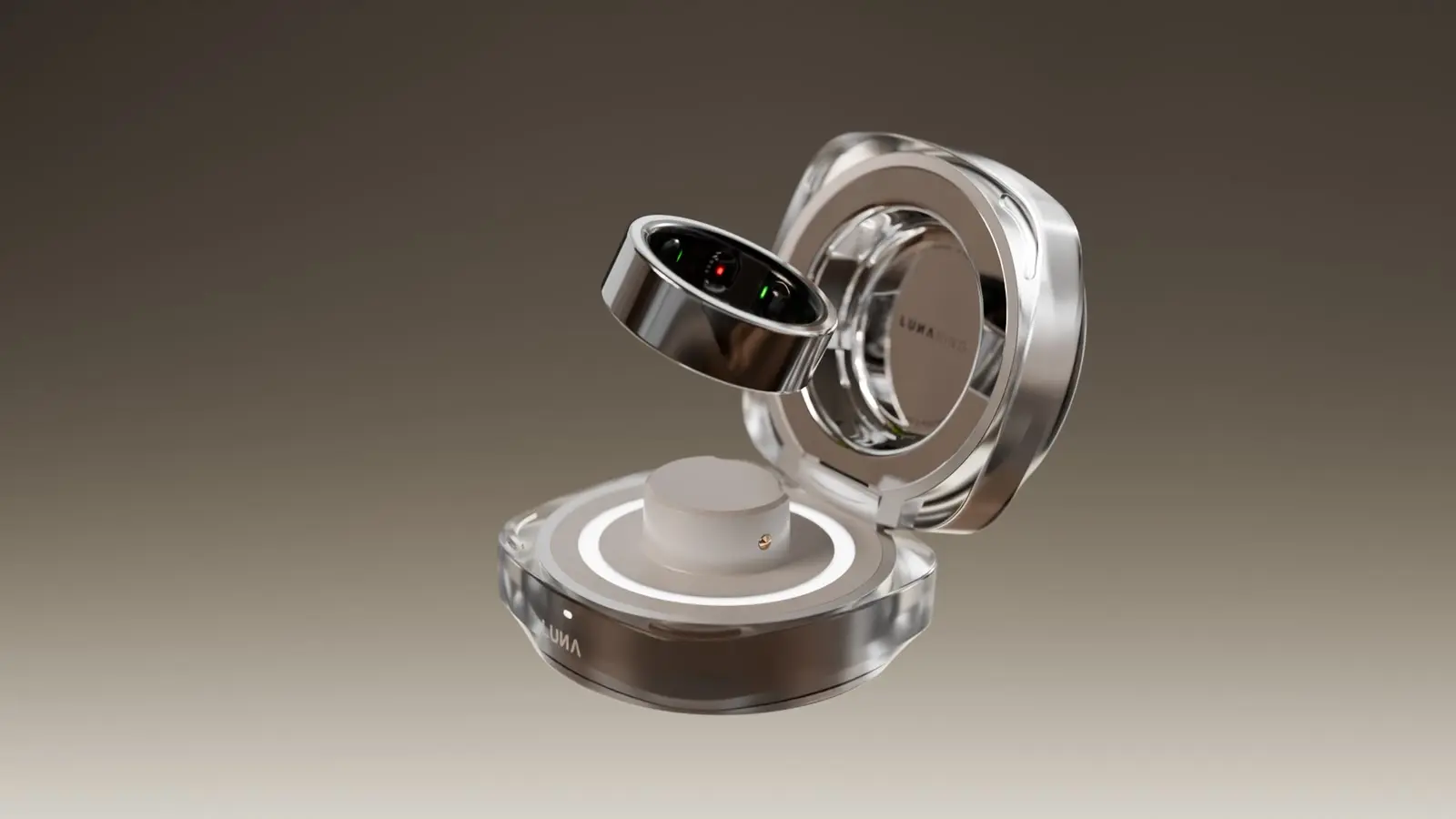
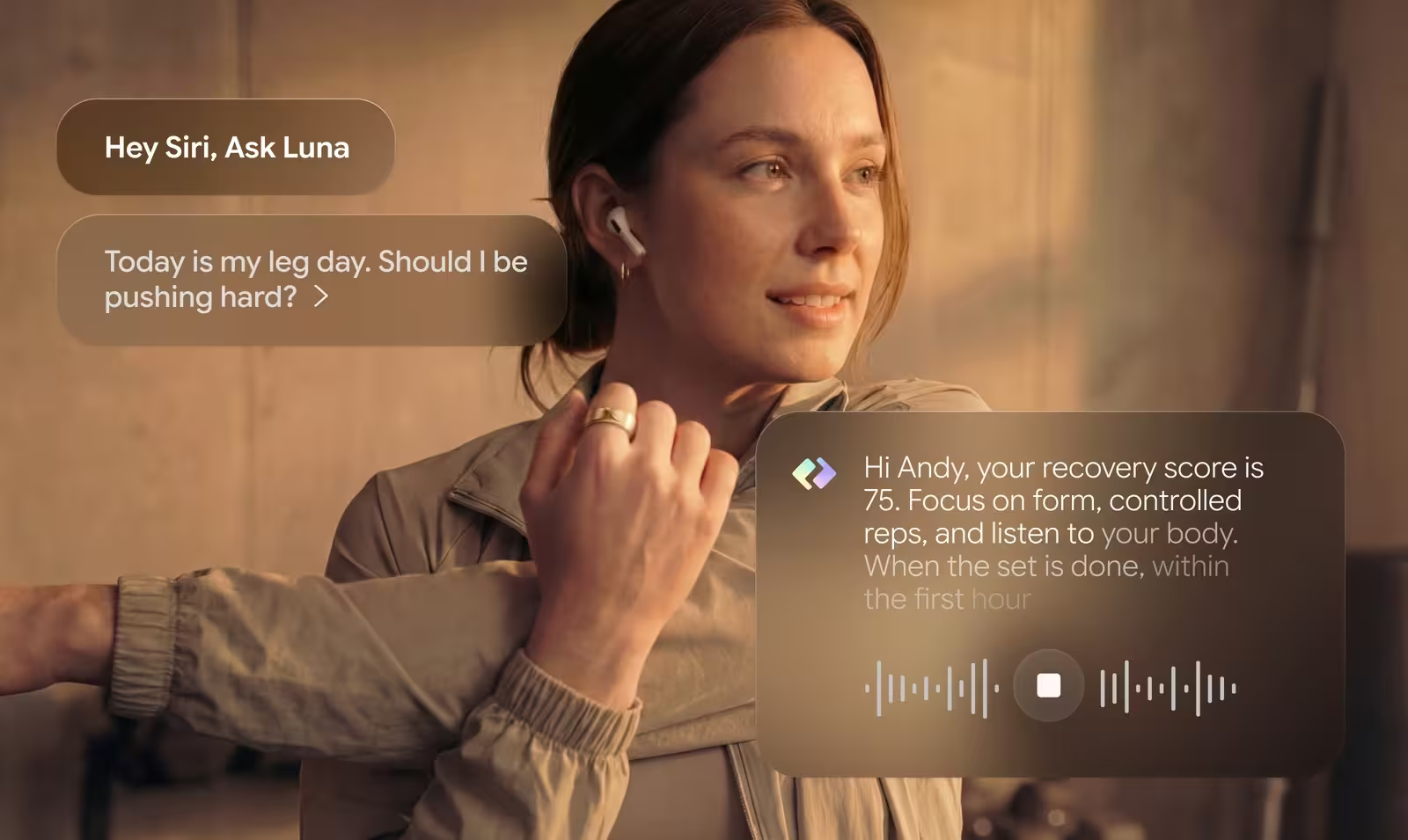
Talk to your ring. Sounds like sci‑fi, but Luna’s Gen 2 just crossed that line. The new Luna Voice feature turns a biometric tracker into a small, conversational assistant you can actually use on the move.
Logging used to be a chore: pause a workout, fumble for a phone, open an app, type. That friction meant half your day never made it into your health history. Now you can say what you ate, what you drank, the supplements you took, how you felt—out loud—and the ring records it. Simple. Fast. Less forgetting.
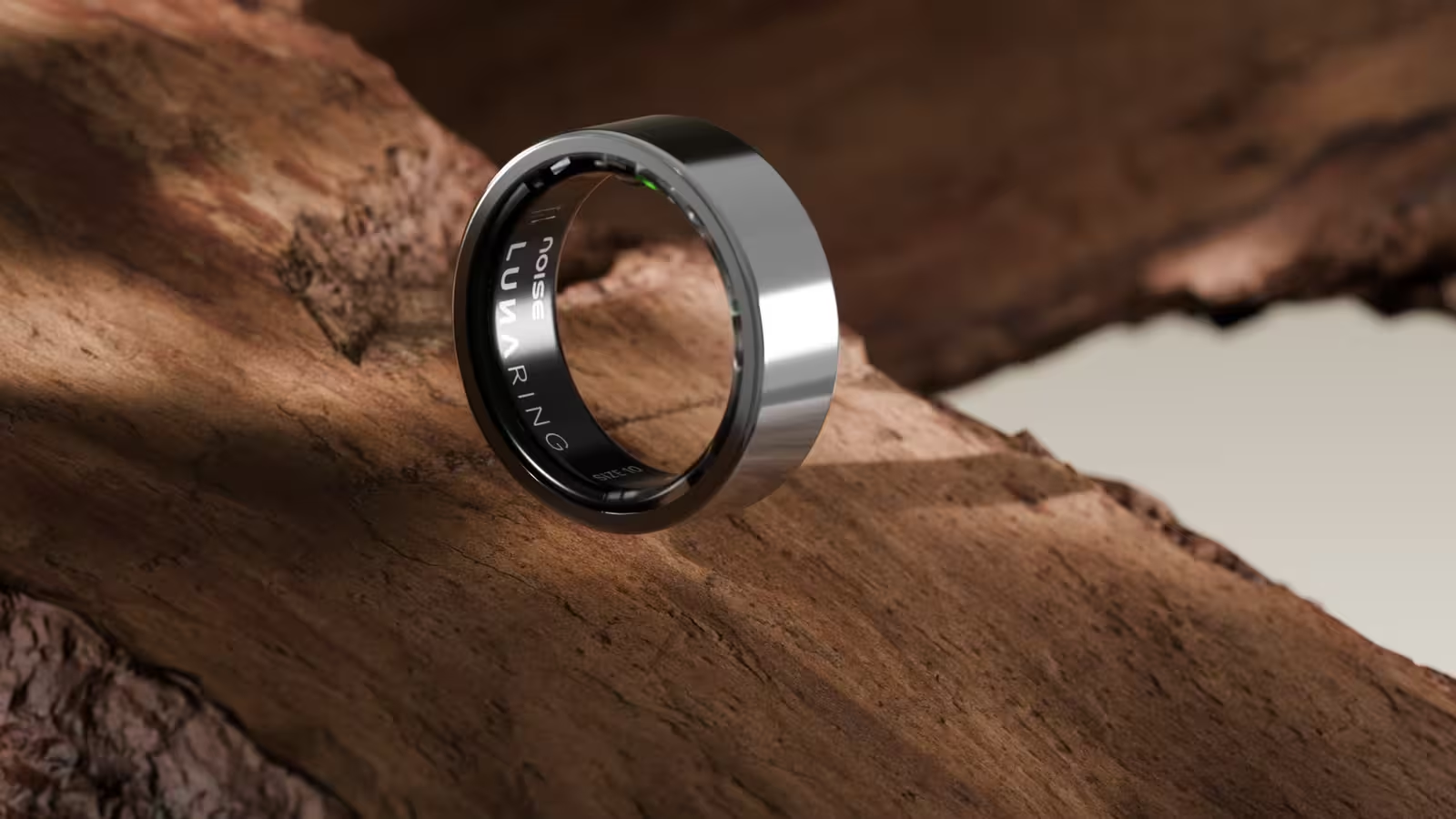
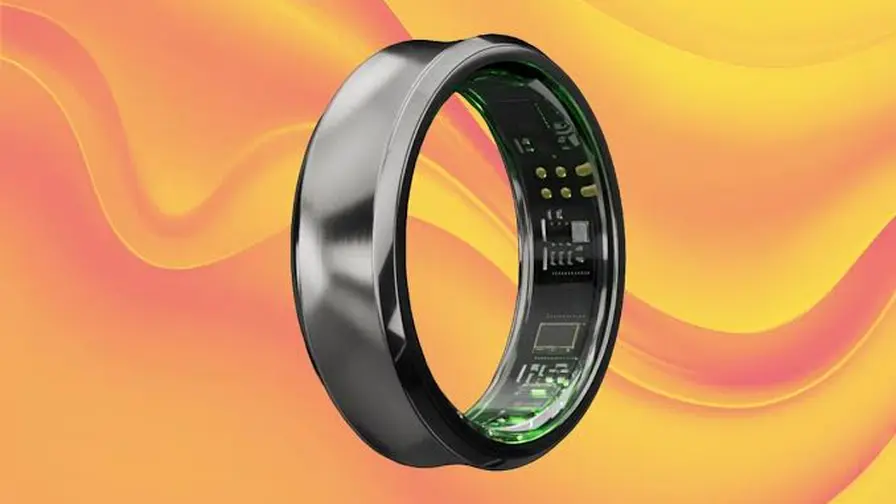
Under the shell, the Gen 2 is a full health sensor. It reads heart rate and heart rate variability, monitors SpO2, tracks sleep stages, and samples skin temperature for fertility and women’s health insights. Those signals become context for the voice assistant: hydration nudges know when you’ve actually had water, and a caffeine window adjusts advice based on what you logged.
Want a workout plan? Ask. Need a nutrition tweak? Ask. During exercise, the AI Coach provides guidance in real time; after a session you can chat about what the data suggests. On iOS there’s a caveat: Apple requires Luna Voice to route through Siri, so the experience isn’t as direct as on Android—but the core idea remains: a wearable that answers, not just reports.
This isn’t only about convenience—it reframes what a wearable can be: a contextual, conversational companion that links behavior with biometrics.
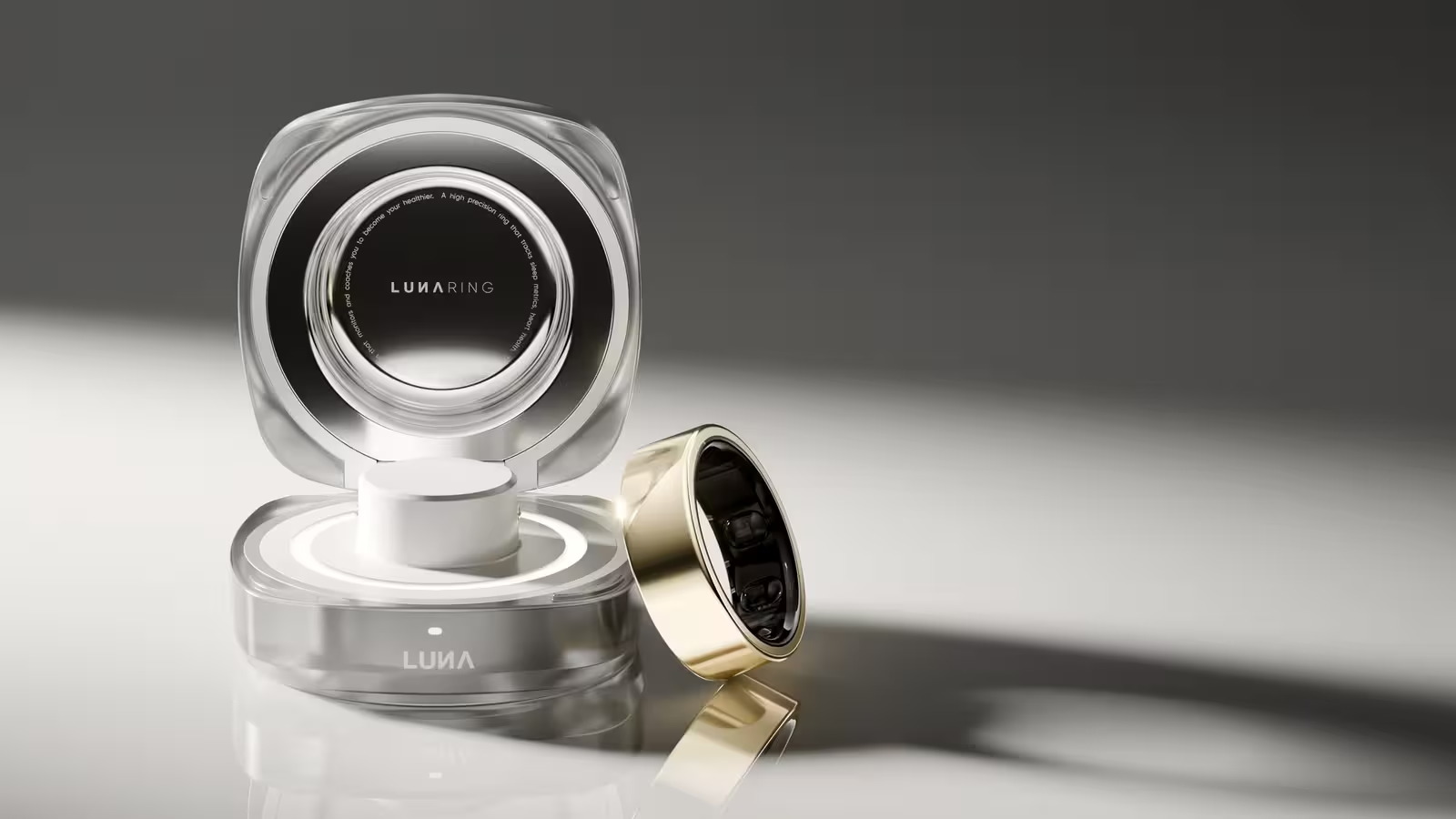
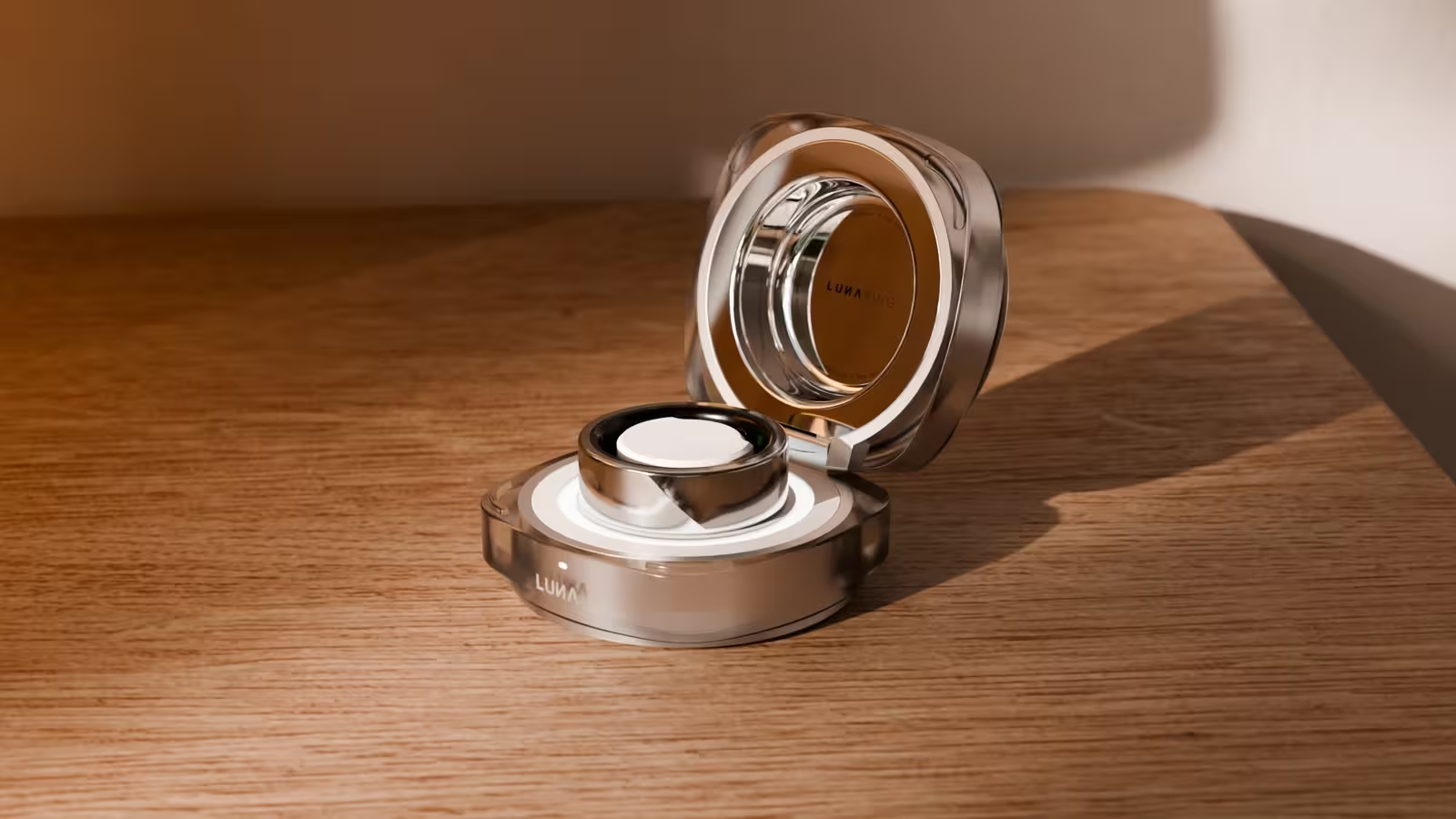
The hardware supports the pitch. Average battery life sits between four and seven days depending on use, and the magnetic charging case extends that to roughly 30 days of standby. A full ring charge takes about 60–80 minutes in the case, and the case itself needs a two‑hour top‑up roughly once a month to refill its 580mAh pack.
Materials and durability matter when you wear something 24/7. Luna coats the exterior in PVD titanium—available in four finishes—while the inner molding is non‑allergenic and non‑metallic for comfort. The ring is rated to 5 ATM, so you don’t have to think twice about showers or swimming sessions. There’s no monthly subscription, and the Gen 2 works with Android and iOS devices.
Key specs
- Battery: 4–7 days (ring); up to 30 days with charging case
- Case battery: 580mAh; case charging time ~2 hours monthly
- Sensors: heart rate, HRV, SpO2, skin temperature, sleep tracking
- Materials: PVD-coated titanium exterior; non-allergenic inner molding
- Water resistance: 5 ATM (50m)
- Compatibility: Android and iOS (iOS voice uses Siri route)
- Price: $330 / £300 (available from Luna’s store)
There are practical questions, of course: how accurate will conversational logging be in noisy gyms? How tightly does the assistant integrate with third‑party health apps? Luna’s positioning is clear—reduce friction, increase context—and the Gen 2 is engineered to do that while staying lightweight and wearable.
Amit Khatri, Luna’s founder, put it plainly: “The Luna Ring no longer just measures the body. It understands context, connects daily behavior with biometrics, and communicates back in a way that fits naturally into real life.” That shift—measurement to conversation—might be small in engineering terms, but it changes how people interact with their data. Will you start telling your ring about your coffee breaks?

Leave a Comment
Comments
No comments yet. Be the first.