
4 Minutes
New Signals from the Paddock
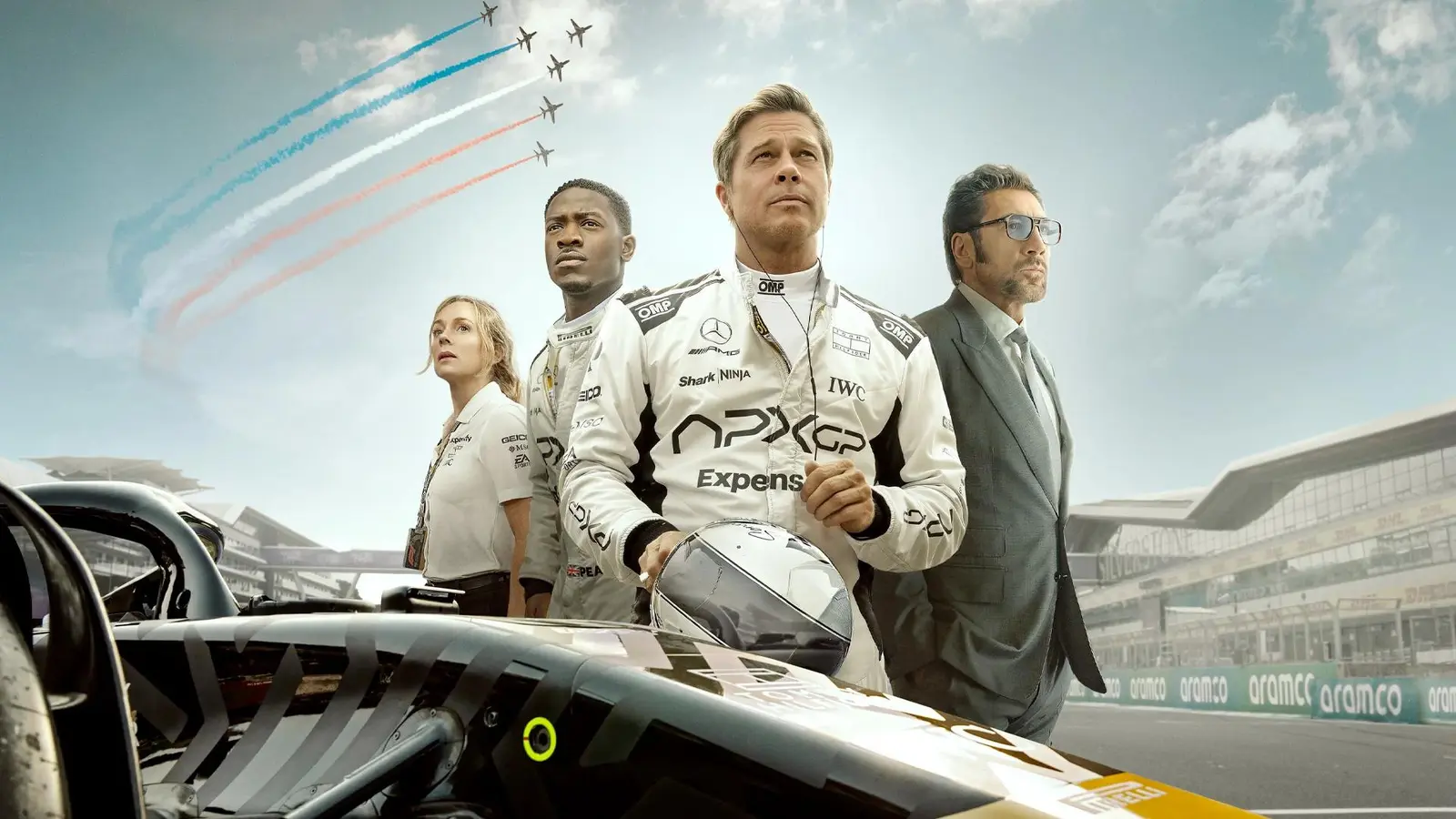
Fans of the high-octane 2025 hit F1 — starring Brad Pitt and directed by Joseph Kosinski — have been waiting for word on a sequel. At a recent Apple TV event, ComingSoon reported that Stefano Domenicali, CEO of Formula 1, was asked directly about plans for another film. His answer was cautious but optimistic: more news is coming, any follow-up would have to be “very, very good,” and development would take time. He even expressed hope that by next year there might be something to share at a similar gathering.
The original F1 was a rare crossover success: a mainstream blockbuster with technical credibility. It pulled in $631 million worldwide and earned four Oscar nominations, thanks to its kinetic race sequences, star power, and Kosinski’s polished direction. That combination turned the movie into both a box-office champion and a talking-point film within motorsport and cinema communities alike.
What a Sequel Would Need
A sequel faces two big challenges. First, it must exceed the novelty of the original’s spectacle — the visceral thrill of on-track scenes and the meticulous production values. Second, it must answer the inevitable audience question: why revisit this story? If Kosinski and producers pursue another chapter, it will need compelling stakes and fresh emotional ground rather than repeating the first film’s beats.
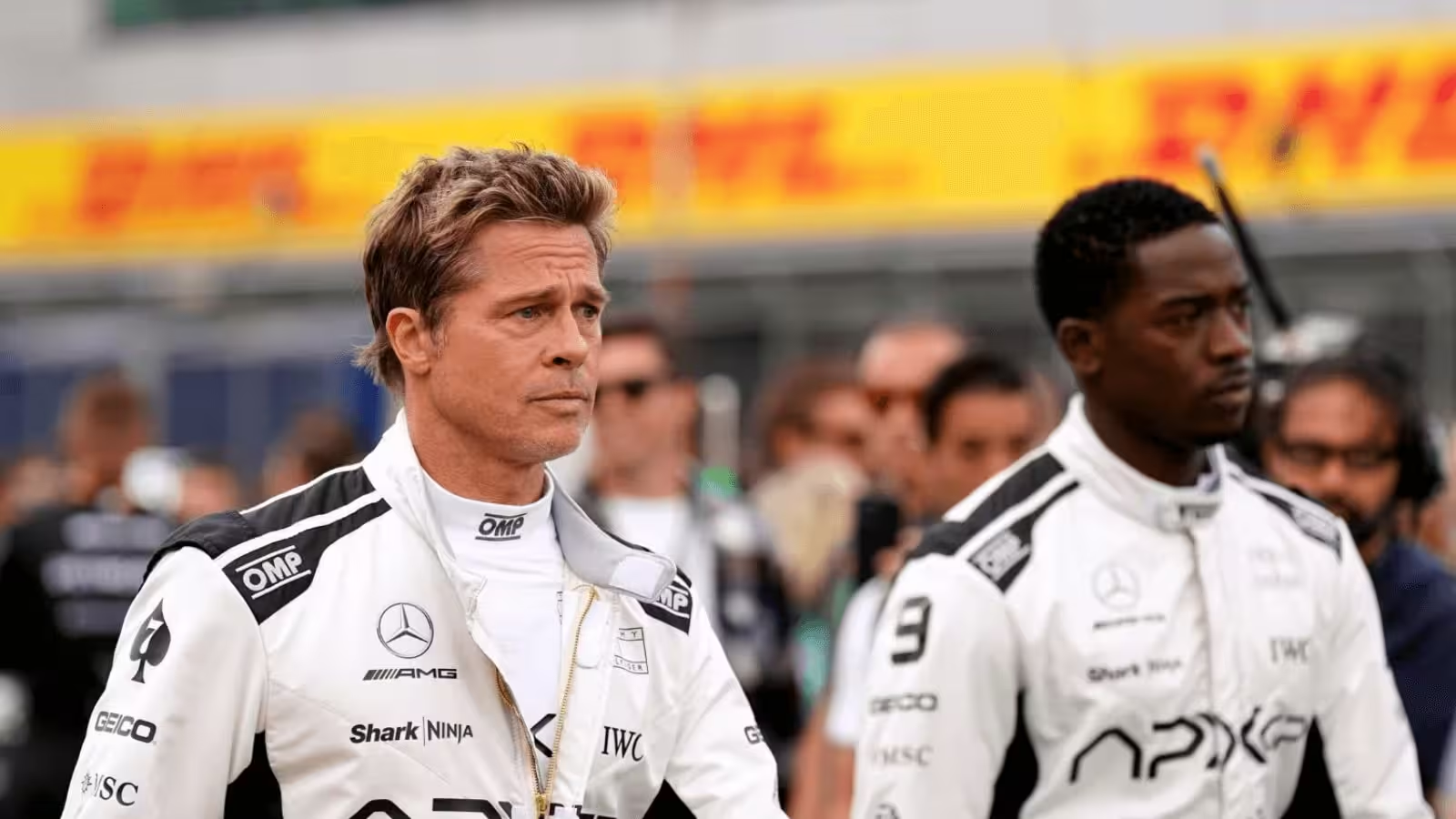
Comparisons are useful: when Kosinski took on Top Gun: Maverick, he honored the spirit of the original while elevating the aerial action with modern filmmaking craft. A similar approach could serve an F1 sequel well — retaining authenticity to the sport while raising narrative stakes. Likewise, the film can be measured against other motorsport dramas like Ron Howard’s Rush (2013), which balanced character-driven conflict with racing detail. The strongest follow-ups expand the world rather than rehash it.

Industry Context and Fan Response
The timing of Domenicali’s remarks matters. Formula 1 has enjoyed sustained mainstream growth over the last decade — boosted by Netflix’s Drive to Survive — and a sequel could capitalize on that momentum. Studios also look at awards recognition and ancillary revenue: a sequel to an Oscar-recognized, half-billion-plus grosser is an attractive proposition, but one that requires careful budgeting and a clear creative roadmap.
Fan communities have been vocal. Social feeds and message boards are full of speculation — from which real drivers might cameo to whether production would push for more practical effects and real-track footage. Community enthusiasm helps studios justify investment, but it also raises expectations: online fandom is quick to celebrate the original and quick to critique any perceived misstep.
"A sequel has to justify its existence on cinematic terms, not just commercial ones," says cinema historian Marko Jensen. "The original succeeded because it married spectacle with character; anything that follows should deepen one or the other. If it’s only bigger, it risks losing what made the first film resonate."
Behind the Scenes and What to Watch For
Behind the curtain, the initial movie garnered praise for its technical craftsmanship — from race choreography to sound design — and for how it integrated real-world motorsport elements without alienating casual viewers. If production resumes, expect producers to reconvene technical advisors, possibly expand real-race collaborations, and negotiate with teams and venues that may be cautious about on-track filming.
Keep an eye on a few signals that typically precede a greenlight: a returning director or lead star confirming interest, studios securing distribution deals, or public statements from rights holders and partners. Domenicali’s openness is a positive sign because Formula 1’s cooperation will be pivotal to any authentic sequel.

A sequel is not a given, but Domenicali’s hint keeps the possibility alive. Whether filmmakers opt for a direct sequel, a thematic follow-up, or a franchise expansion, they’ll need to match the craft and emotional clarity that made F1 a crossover success. For now, fans should watch official channels and industry trades for the next beat — and hope that when a sequel arrives, it will be worth the wait.

Leave a Comment
Comments (2)
meh, is this even true? if that's real then studios will prob chase cash, not craft... will Kosinski really want round 2?
wow, didn't expect a sequel hint! If they bring back real track shots and Pitt, I'm so in. But please, don't just crank up the spectacle, give it heart too.