

3 Minutes
Vitalik Buterin reduces ETH holdings amid privacy pledge
Ethereum co-founder Vitalik Buterin has trimmed roughly 17,000 ETH from wallets tracked on-chain in the past month after earmarking about $45 million worth of Ether for privacy and open-source infrastructure projects. Arkham Intelligence data shows the combined balance attributed to his wallets fell from about 241,000 ETH in early February to near 224,000 ETH this week.
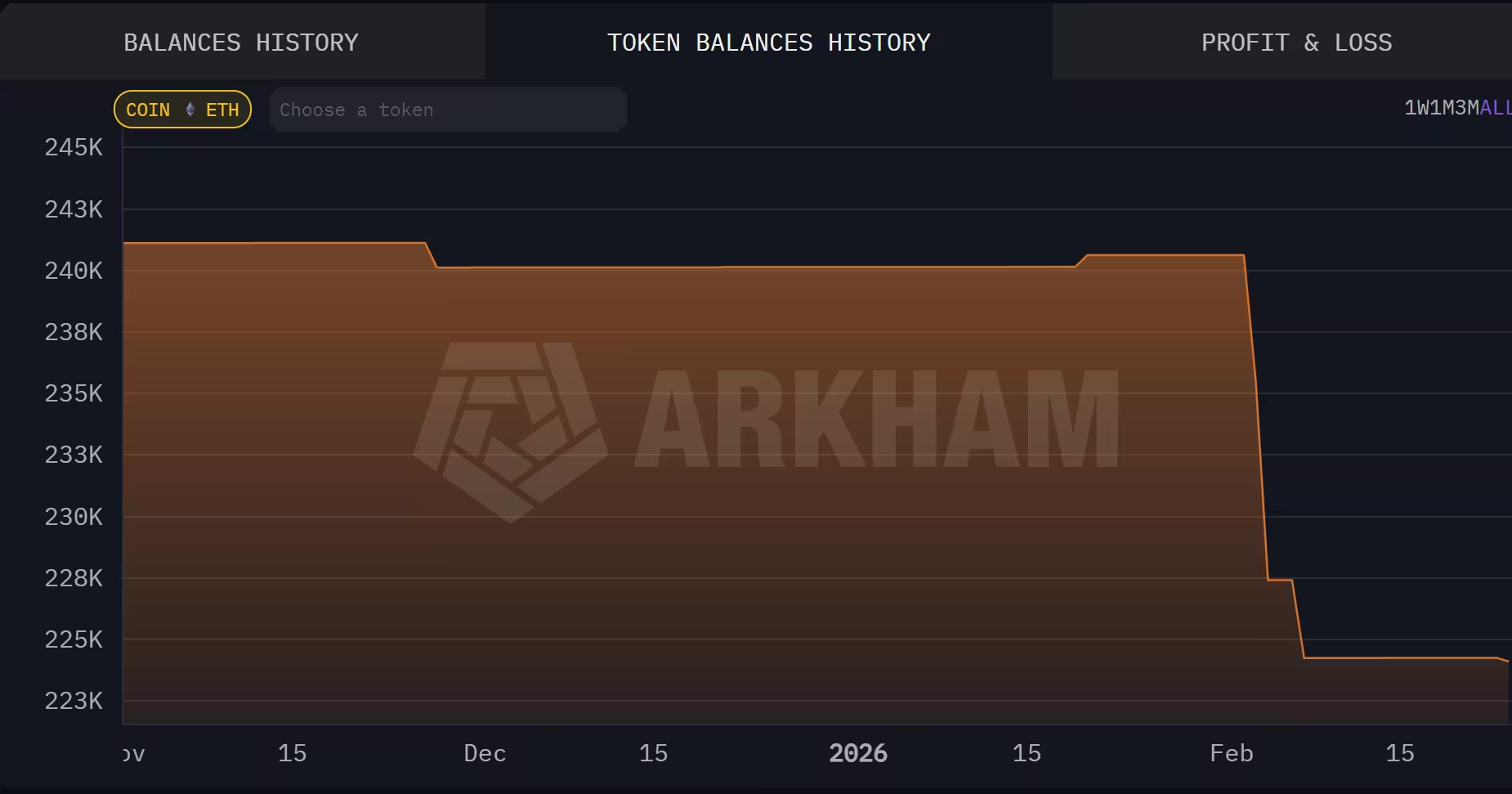
Buterin’s ETH balance declines since February.
How the sales were executed
On-chain monitoring indicates the outflows were routed through decentralized exchange infrastructure, notably the DEX aggregator CoW Protocol. Rather than a single large swap, trades were split into many smaller transactions — a common strategy to reduce market impact and slippage when selling large token amounts. Analysts also flagged a concentrated period of activity earlier in the month that moved nearly 2,961 ETH, around $6.6 million at the time, over a three-day span.
The data suggests an uptick in liquidation pace in recent days, with approximately $7 million worth of ETH moving in the last 72 hours alone. Using a DEX aggregator and fragmented swaps helps high-profile wallets preserve price stability while executing sizeable exits.
Why the ETH sales relate to privacy funding
The sell-off follows Buterin's January announcement that he reserved 16,384 ETH — roughly $45 million based on then-prevailing prices — to support privacy-preserving technologies, open hardware development, and verifiable software systems. He said the funding will be deployed gradually over several years to build open-source, self-sovereign tools that protect both personal and public spaces.
Buterin framed the move as a personal commitment that complements the Ethereum Foundation as it enters a phase of 'mild austerity' but continues to pursue its technical roadmap. He plans to personally lead or finance initiatives that may otherwise have been sponsored by institutional channels, with an emphasis on a full stack of secure hardware and software.
Market context: Ether price weakness and staking dynamics
ETH has experienced a steep price correction in the same period, losing more than 37% of its market value over the past month according to CoinMarketCap. At the time of publication, Ether was trading around $1,825, down nearly 5% on the day. The drop has pressured corporate treasuries and large holders, amplifying unrealized losses for some institutional ETH holders.
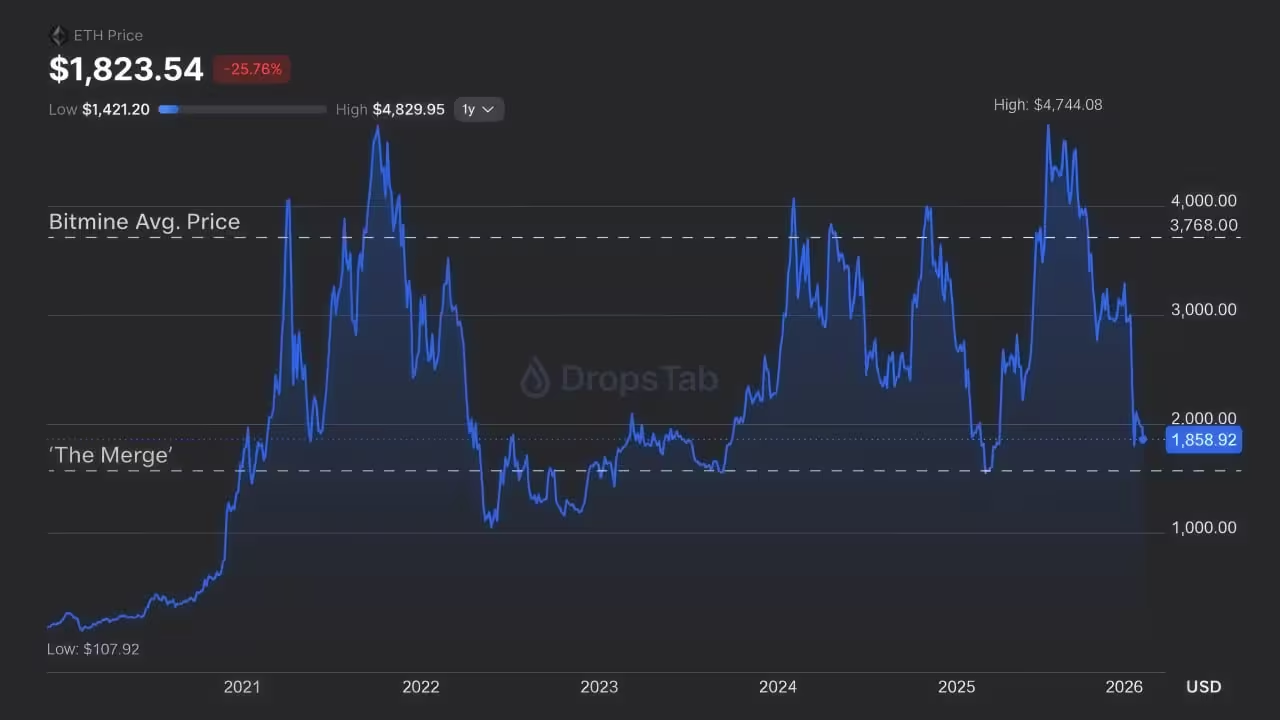
ETH price.
A significant portion of Ether supply remains locked in staking — over 30% — even as staking yields have compressed to around 2.8%. Despite lower yields, validator demand remains robust, with long entry queues and minimal exit activity, indicating continued institutional and retail interest in securing block rewards.
Implications for traders and on-chain observers
Large, planned sales by high-profile developers can create short-term volatility or shape market sentiment, but the use of DEX aggregators and fragmented swaps typically mutes immediate price shock. Market participants should watch for ongoing disbursements tied to the privacy funding roadmap, since incremental deployments could lead to recurring sell pressure.
Corporate balance sheets that hold substantial ETH are facing heavier unrealized losses after Ether's descent, underscoring risk management challenges when a core asset undergoes rapid price movement.
What to watch next
Investors and developers should monitor Arkham and similar on-chain intelligence services for wallet activity, DEX flow, and staking metrics to better gauge the market impact of continued disbursements. At the same time, progress on privacy tooling, open hardware builds, and verifiable software funded by Buterin could deliver long-term benefits to Ethereum's ecosystem and broader blockchain privacy infrastructure.
Overall, the move aligns a major Ethereum founder's capital deployment with strategic investments in privacy and open-source resilience while traders parse the near-term market effects of the associated ETH sales.
.avif "Ethereum Foundation Denies $12.8M ETH Sale Linked to Old ICO Wallets")

Leave a Comment
Comments
No comments yet. Be the first.