
3 Minutes
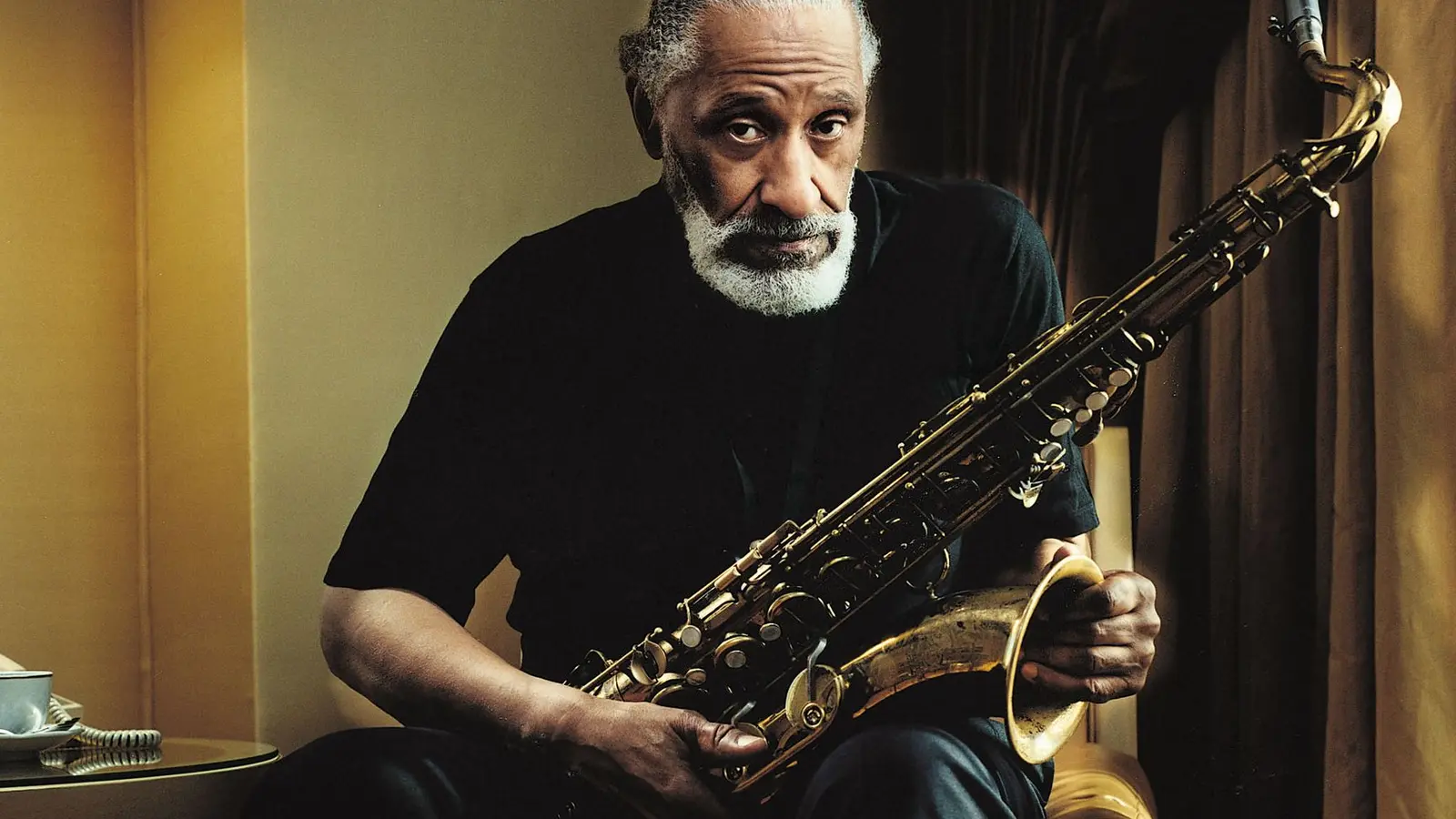
He could make a tenor saxophone speak like a human being — playful, probing, defiant. Sonny Rollins died at his Woodstock, New York home on May 25, 2026, his family announced via his official social channels. He was 95.
Rollins' career read like a map of modern jazz: more than six decades on stage and in the studio, with over sixty albums that turned tunes into standards. Listen once to "St. Thomas," "Oleo," "Doxy" or "Airegin" and you know why musicians still learn by ear from him. Critics called him the music's greatest improviser; others, the restless genius. That restlessness drove him — always searching, always reshaping the melody.
He arrived in the scene tutored by giants. Charlie Parker's alto phrasing left an early mark. A young Thelonious Monk helped steer him, and later they recorded together. Rollins traded solos and ideas with Ornette Coleman, Dizzy Gillespie, Max Roach and Miles Davis — sessions that produced records like Dig, Collectors' Items and Bags' Groove. "Tenor Madness," his duel with Coltrane, still stings with competitive energy.
In 1957 he made Saxophone Colossus, an album that many listeners and fellow musicians point to first when naming his art. The Library of Congress inducted it into the National Recording Registry in 2017, praising the solos' power, grace and sly humor. It’s the kind of record that keeps revealing new corners even after decades of listening.

Pop culture knew him too. That unforgettably lilting sax line at the end of the Rolling Stones' "Waiting on a Friend"? That's Rollins — a brief cameo that introduced his phrasing to millions. Charlie Watts, who came from a jazz background, said in 2010 that when Rollins played, other saxophonists watched in awe. "He's the last one standing," Watts added. "He’s still at the peak." Short sentence: he inspired.
Performance was a lifelong devotion, though he stepped away from public concerts after 2014. Honors followed the work: a Lifetime Achievement Grammy in 2004, the National Medal of the Arts in 2010, and a Kennedy Center Honor in 2011 presented alongside artists ranging from Yo-Yo Ma to Meryl Streep. Each accolade was a nod to someone who rewrote phrasing and rhythm with quiet insistence.
Rollins spoke often about creativity as a kind of continuity. In 2009 he said he believed creative energy carries on beyond this life — a spiritual view that felt consistent with a musician who saw improvisation as a conversation that never truly ends.
He leaves behind a catalog that reshaped the language of jazz.
Listen to him. Study the solos. And if you own a record player, play Saxophone Colossus loud enough to wake the neighbors — because that is how a giant keeps talking.






Leave a Comment
Comments
No comments yet. Be the first.