
3 Minutes
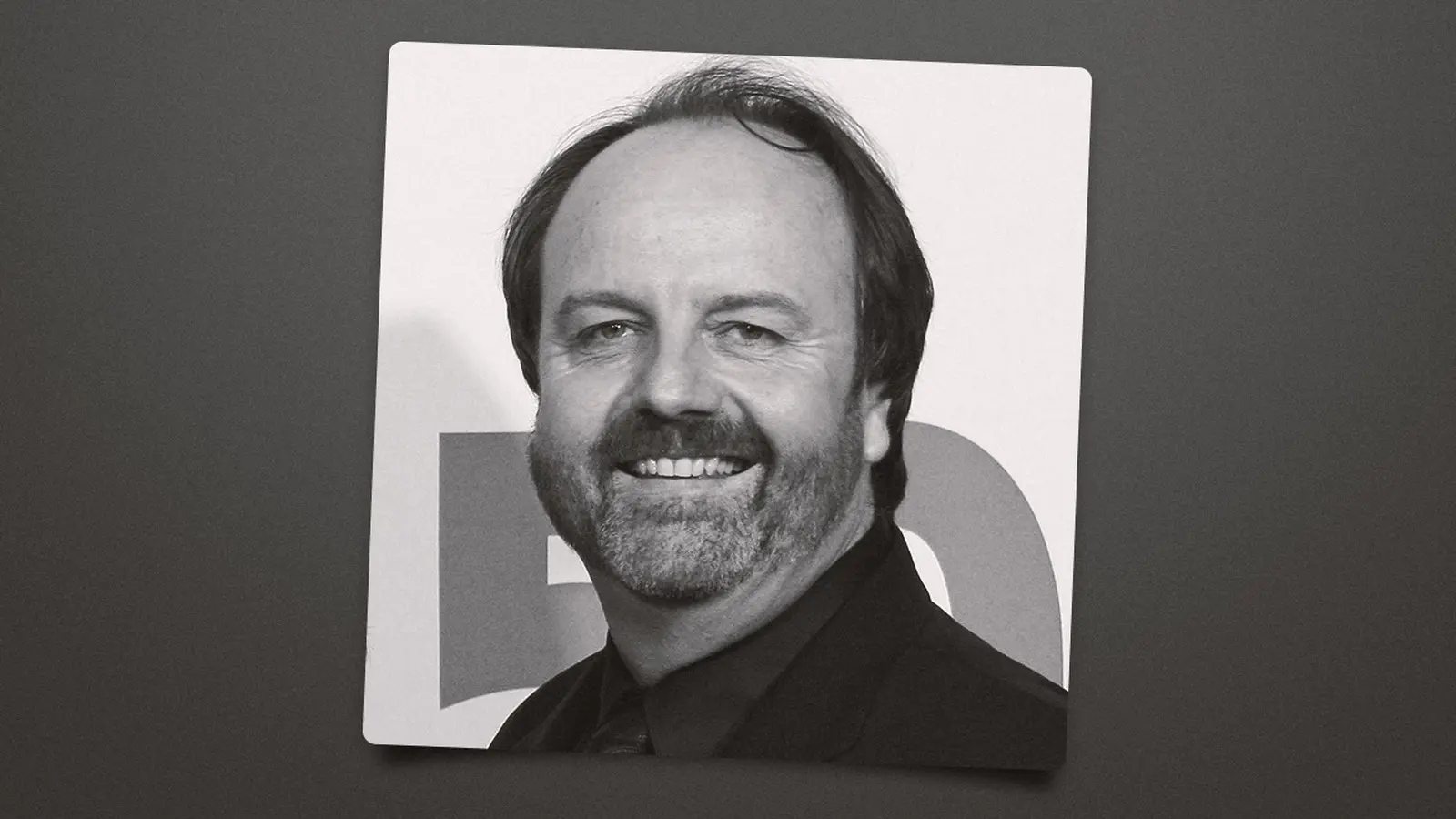
A single phone call from a Warner mailroom changed the arc of a life. Dave May picked up the receiver, read music charts, and suddenly the guy who began as a recording engineer in Hollywood found himself producing projects that would define an era.
May died April 13 in Nashville of natural causes. He was 68. To anyone who followed the intersection of music production and archival restoration over the past five decades, his name signaled more than credits on an album — it meant meticulous craft, a fierce respect for sonic history, and an ability to move between the studio and the stadium with equal confidence.
He won two Grammys for Best Long Form Music Video: first for Alanis Morissette's Jagged Little Pill, Live in 1997, and again in 2007 for Madonna's The Confessions Tour concert film. Awards, though, only tell part of the story. May's work sat at the crossroads of technology and taste, guiding teams through new mastering techniques and pushing audio formats forward while preserving the integrity of performances.
Who did he touch? Just about everyone who mattered in modern rock and pop: Metallica and Led Zeppelin, Neil Young and Eric Clapton, Green Day and R.E.M., Stevie Nicks and the Eagles, Cream and Dream Theater, plus contemporary voices like Josh Groban and Michael Bublé. The list reads like a who’s who of artists for whom both fidelity and legacy were paramount.

His career began in the 1970s at Pasha Studios in Hollywood, where the workbench was equal parts tape machine and imagination. Later, while working at Warner — yes, the mailroom — an unexpected call asking for someone who could read charts led to his first major producing assignment. From that pivot, May moved steadily into A&R and video production, shaping how live shows were recorded and how they looked on screen.
Between 1987 and 2010 he focused on live concert films and MTV-era promo videos, rising to a senior role across Warner Records and Rhino Entertainment. He became known as a steward of archival projects: someone who could bring old tapes back to life without erasing the character that made them special in the first place.
In 2010 May launched Delixandra Music, a consulting firm that advised Universal Music Group, Warner, Rhino and Iconic Artists Group among others. He was also a songwriter and recording artist in his own right, releasing original albums and placing music in TV shows such as American Horror Story, The Sinner, Cold Case and Brothers & Sisters.
He is survived by his wife, Michelle, and daughters Alex and Devin. Those wishing to honor his memory can donate to the Young Musicians Foundation in Los Angeles or Siloam Health in Nashville, organizations that reflect his belief in access to music and care for underserved communities. His legacy lives in the albums we still play and the concerts that sound better because he insisted they should.

Leave a Comment
Comments
No comments yet. Be the first.