
2 Minutes
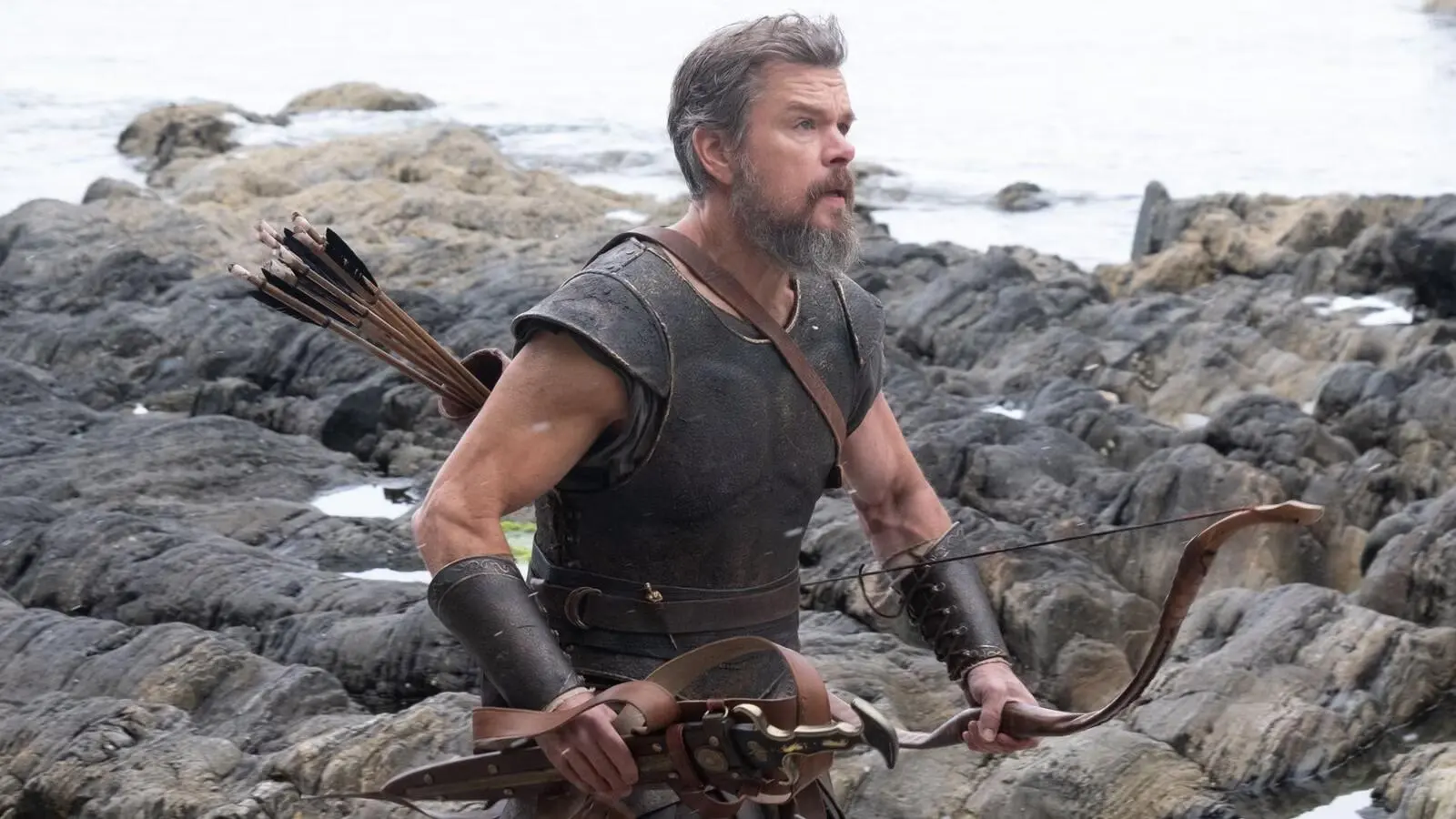
The first trailers for Christopher Nolan's The Odyssey landed like a spark in dry tinder: debate flared up instantly.
Audiences were taken aback to hear most characters speaking in American accents and in crisp, contemporary English rather than the ceremonial, poetic register you might expect from a Homeric epic. That contrast—between an ancient Greek text and a modern-sounding script—has become the focal point for criticism aimed at the film.
Accusations range from historical inaccuracy to cultural appropriation, with particular attention on Nolan's casting choices, including Lupita Nyong'o as Helen of Troy. For purists, those decisions read as a loss of authenticity. For others, they signal a director willing to reimagine a myth for today.

In a Los Angeles Times interview Nolan pushed back, arguing that language in cinema carries emotional weight rather than serving as an intellectual ornament. He explained that he chose contemporary English to keep dialogue feeling natural and immediate—avoiding the affected, lofty phrasing that might make the screenplay sound artificial. 'I may have been naive and it might cost me,' he said, 'but I wanted a simple, unadorned narrative. For me it felt obvious.'
Not all of the pushback has silenced him. Nolan told The Telegraph that a lot of the pre-release conversation is noise: people debating a film they have not yet seen. He pointed to similar storms around his previous work, noting how audiences eventually embraced the honesty of his efforts, even when he took creative detours from expectations.
All I can do, Nolan says, is make the best film I can, as honestly as I can—and let the audience judge it in the dark of the theater.
The Odyssey is scheduled to open in cinemas on July 17, 2026. Until then the argument will continue online and in print: is this inventive reinvention or a misstep against a beloved text? Either way, the debate guarantees one thing—people will be watching.




Leave a Comment
Comments
No comments yet. Be the first.