
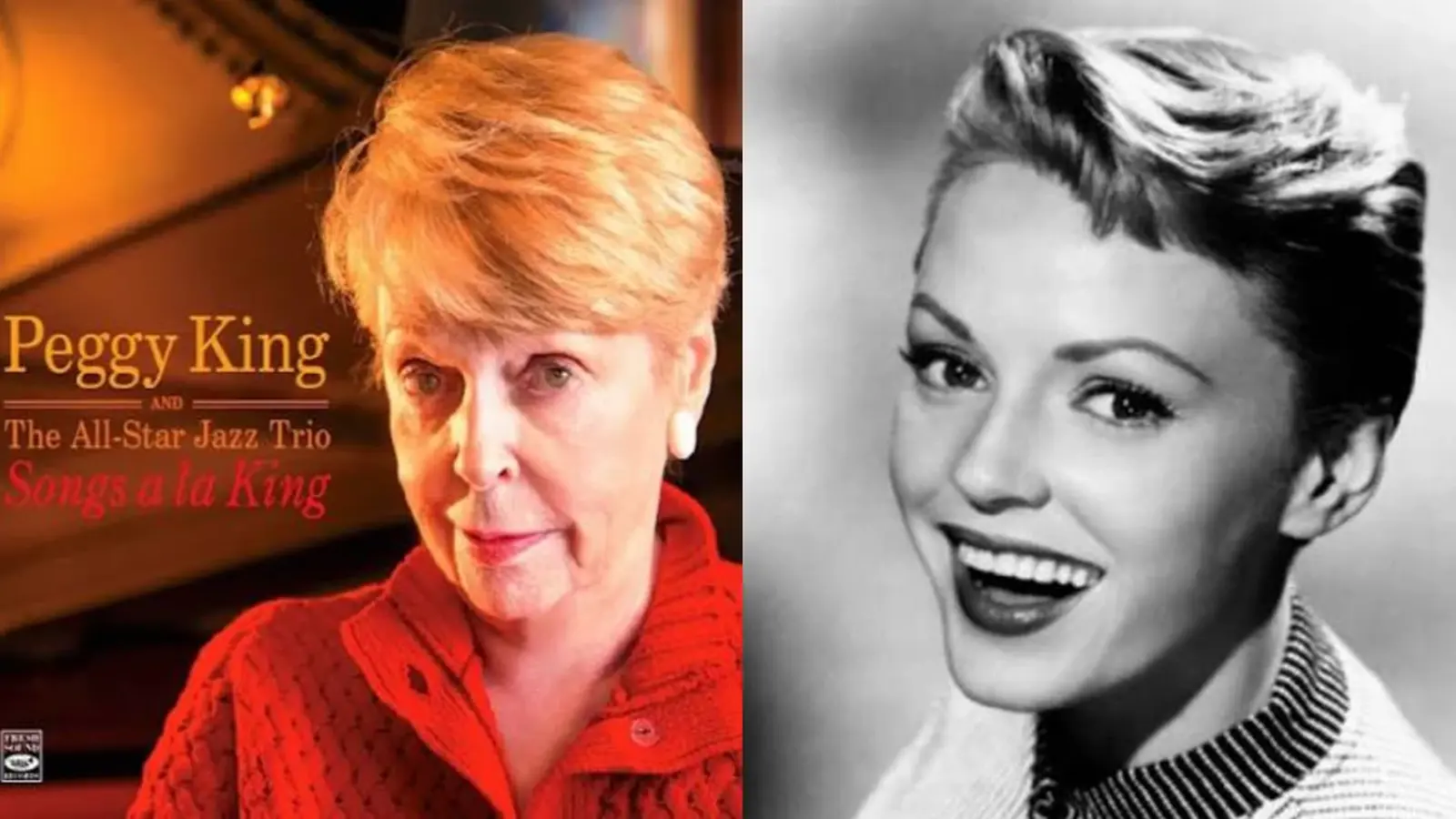
She had a voice that slipped into living rooms across America and a presence that turned variety shows into must-see television. Peggy King, the singer and actress best known as a steady spark on 1950s TV, has died at 96. Her family and publicist confirmed she passed away on October 25, 2026, at Saunders House in Wynnewood, Pennsylvania, after a long battle with Alzheimer’s disease.
Few performers bridged the gap between records, radio and television as effortlessly as King did. A contract with MGM in 1952 opened doors to Hollywood, yet it was her steady run on The George Gobel Show—from 1954 to 1957—that made her a household name. She became “Pretty Perky Peggy King” to viewers who loved her crisp singing and playful charm. That nickname stuck, and so did the acclaim: an Emmy nomination for Best Female Singer in 1955 and the honor of emceeing the Emmy telecast in 1958.
Her résumé reads like a primer on midcentury American entertainment. King turned up on The Jack Benny Program, The Perry Como Show, The Garry Moore Show, The Steve Allen Show and The Tonight Show Starring Johnny Carson. Game shows and music programs welcomed her too—American Bandstand, What’s My Line and Kraft Music Hall with Milton Berle included her among their regular guest roster. Each appearance reinforced the image of a performer fluent in both song and stagecraft.
Hollywood roles came alongside her TV work. She sang on the soundtrack of Vincente Minnelli’s acclaimed drama The Bad and the Beautiful and appeared onscreen in lighthearted fare such as Abbott and Costello Meet the Mummy (1955). In 1957 she played a flight attendant in Zero Hour, a tense thriller starring Dana Andrews and Linda Darnell—one of those odd little legacies of cinema, later cited as inspiration for the 1980 comedy Airplane!. Small parts, yes. But each one left a trace.
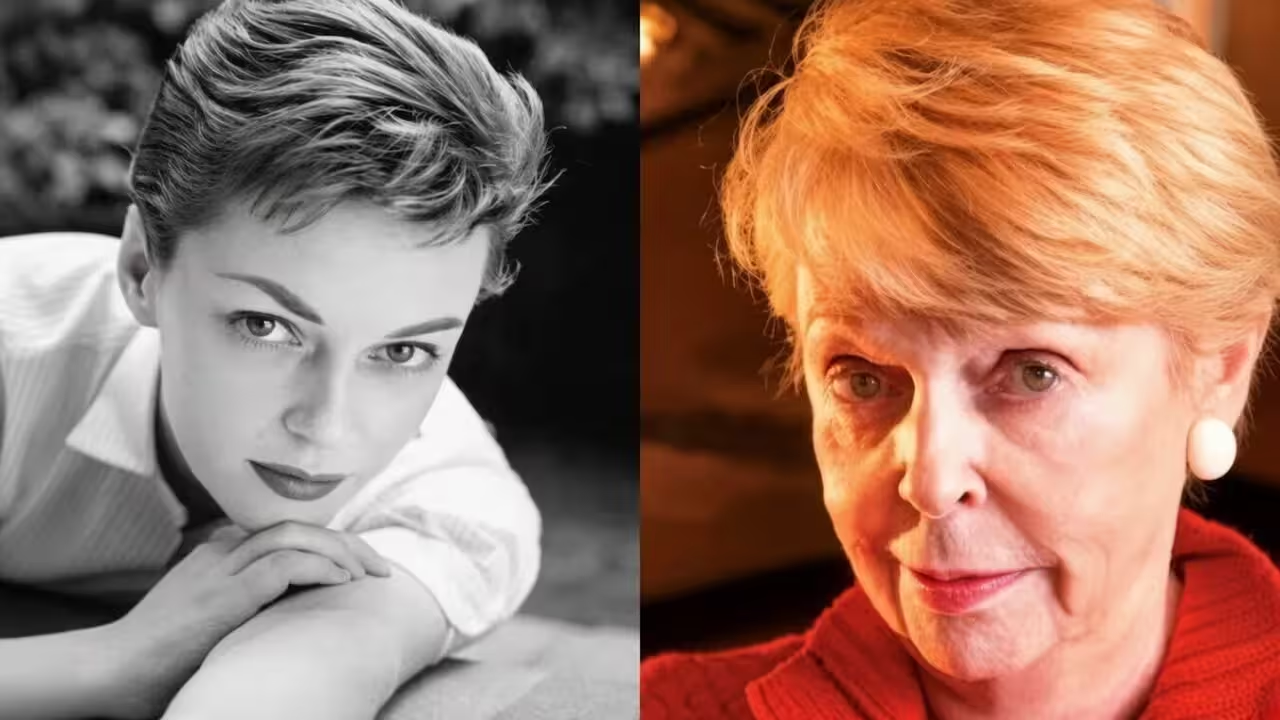
Awards and honors followed across decades. Billboard and DownBeat named her Best New Singer in 1956. The Hollywood Walk of Fame carries her star. Philadelphia’s Broadcast Pioneers inducted her into their Hall of Fame in 2010 for contributions to radio and television. Recognition like that reminds you how many careers from television’s golden age helped invent what we now take for granted.
What made King special wasn’t just a pretty voice—though she had that in spades—but a knack for timing and a persona that translated across formats. In variety shows she could deliver a ballad and then cut loose with comic timing. On-screen she had composure; on record, a warmth that felt immediate. Audiences who grew up with her performances remember a performer who seemed both luminous and utterly human.
Alzheimer’s stripped the public-facing actor away long before her final curtain. Yet the recordings remain. The television clips survive. The star on Hollywood Boulevard will keep its place. For fans of classic TV and midcentury pop, Peggy King’s career is a tidy archive of an era when a single performer could be everywhere at once: singing in the studio, laughing on a variety stage, and popping up in theaters nationwide.
Her passing marks the quiet close of a chapter in entertainment history—one written in television jingles, nightclub lights and the steady pulse of postwar American show business. Who will step into that particular, old-fashioned spotlight? The stories and sounds she left behind will keep nudging the question forward.

Leave a Comment
Comments
No comments yet. Be the first.