
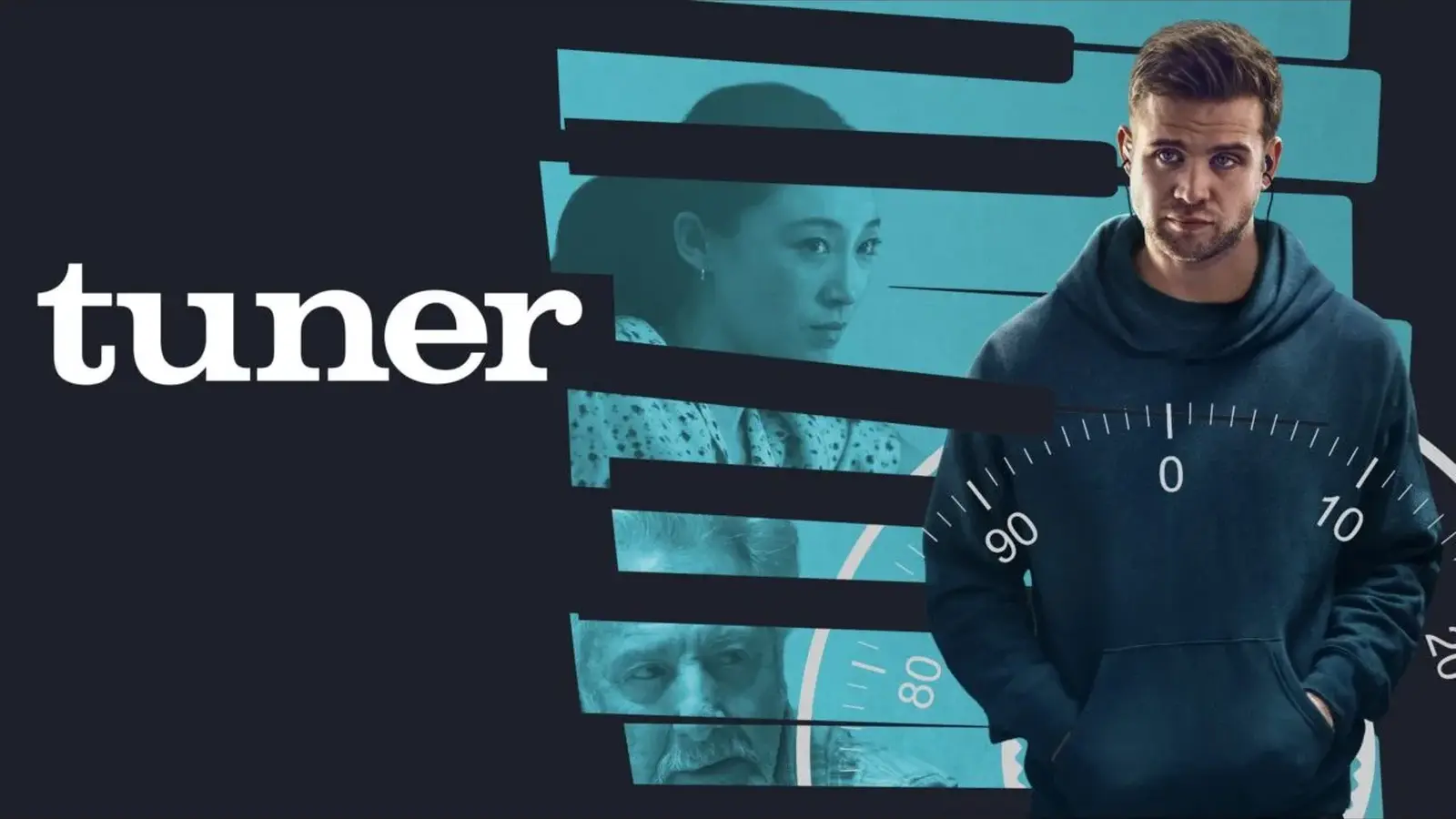
He hears too much. It becomes both his gift and his trap.
In Tuner, Daniel Roher — the documentarian behind Navalny — steps into fiction with a film that listens. The title refers to the person who brings instruments back into tune, but Roher's interest is less mechanical than existential: who pays attention, and what does paying attention cost?
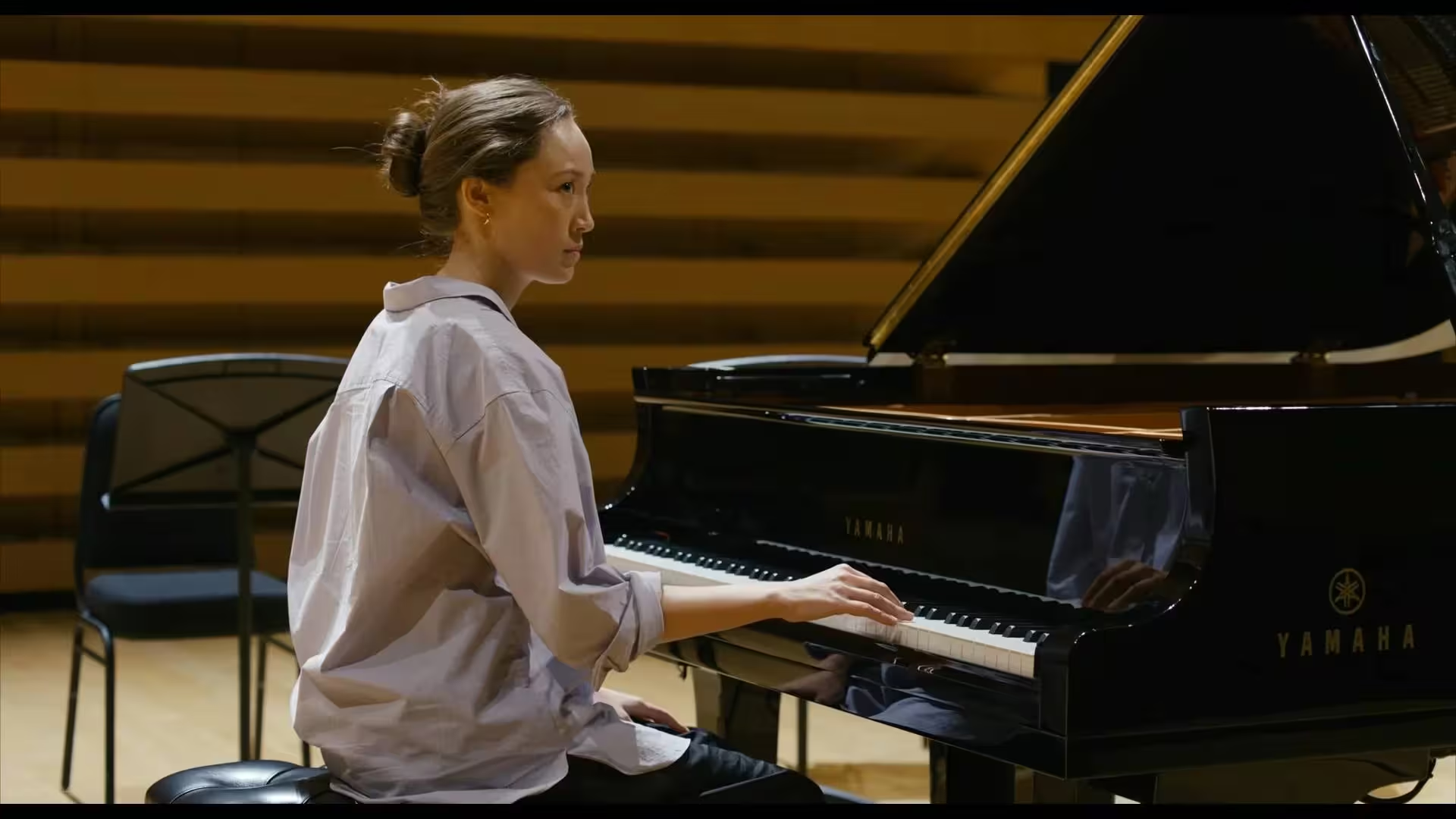
Nick is a young piano tuner haunted by hyperacusis, a condition that makes every sound feel amplified to pain. Harry, played with hushed dignity by Dustin Hoffman, is a retired pianist felled by age and arthritis. They travel to people's homes, settle their pianos, and in small, careful rituals find a strange companionship. Then Ruthie arrives: a driven conservatory student and pianist who dreams of working with the legendary composer Maysner, played by Jean Reno. The tangle of ambition, tenderness, and obligation begins there.
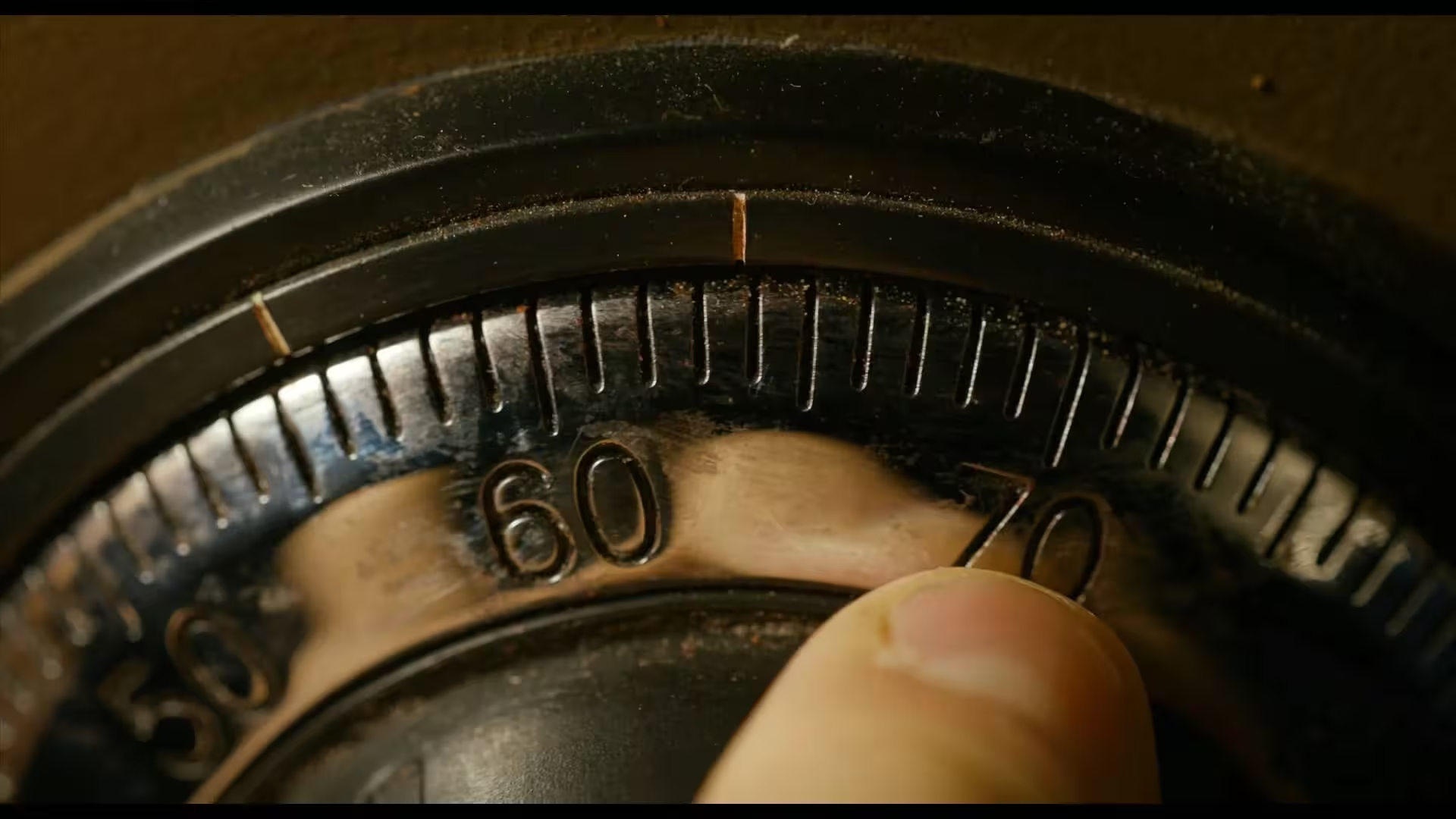
Roher stages his frames with documentary-born discipline. The camera lingers on hands, hammers, and strings. Close-ups on ivory keys, the way a tuning fork shimmers — these moments feel authentic and earned. Sound design is the film's heartbeat. It tells more than dialogue ever does. A creak in a floorboard. The click of a safe. A breath held too long. Roher uses listening as a storytelling device, and on that level the film rarely misfires.
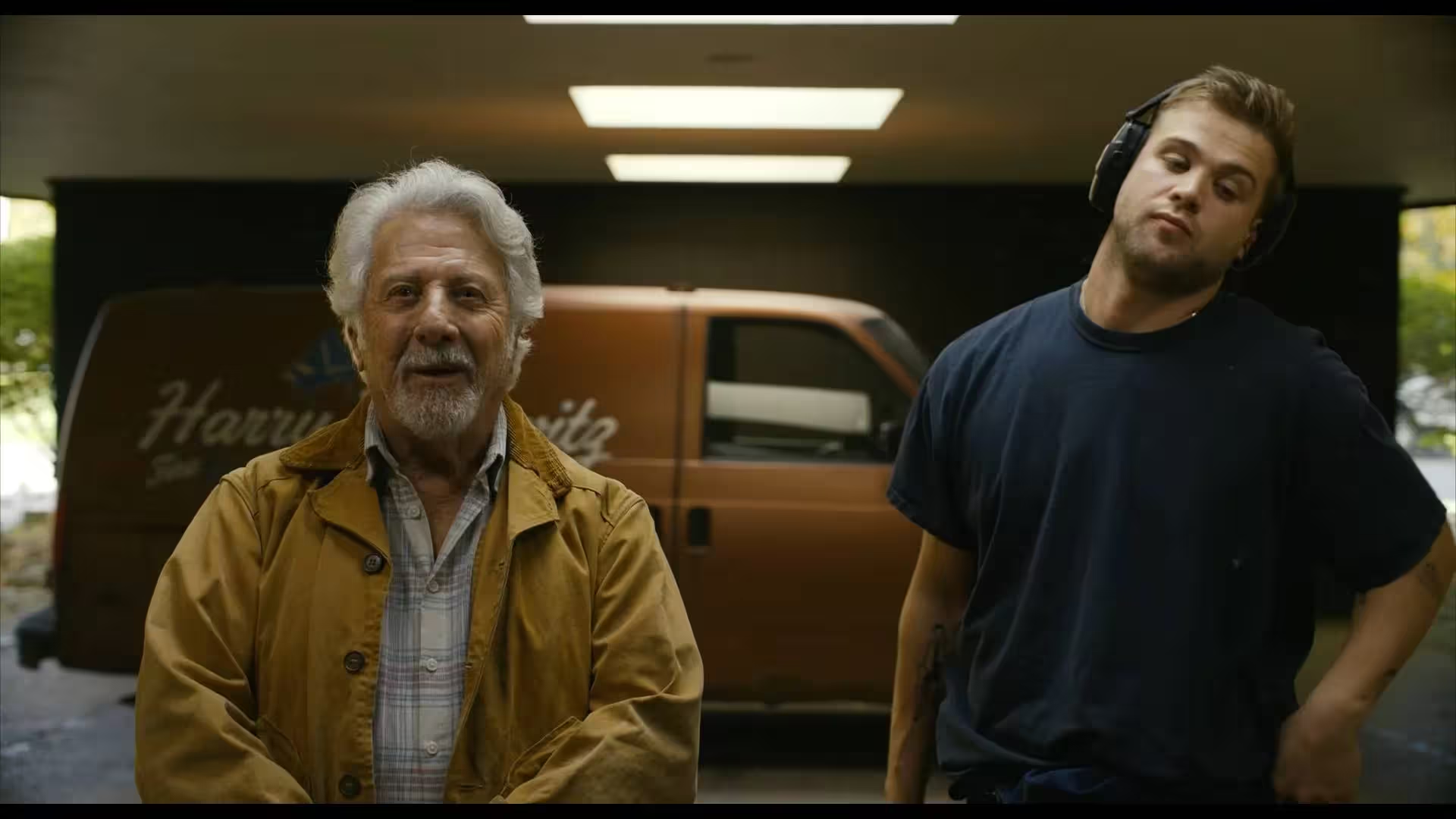
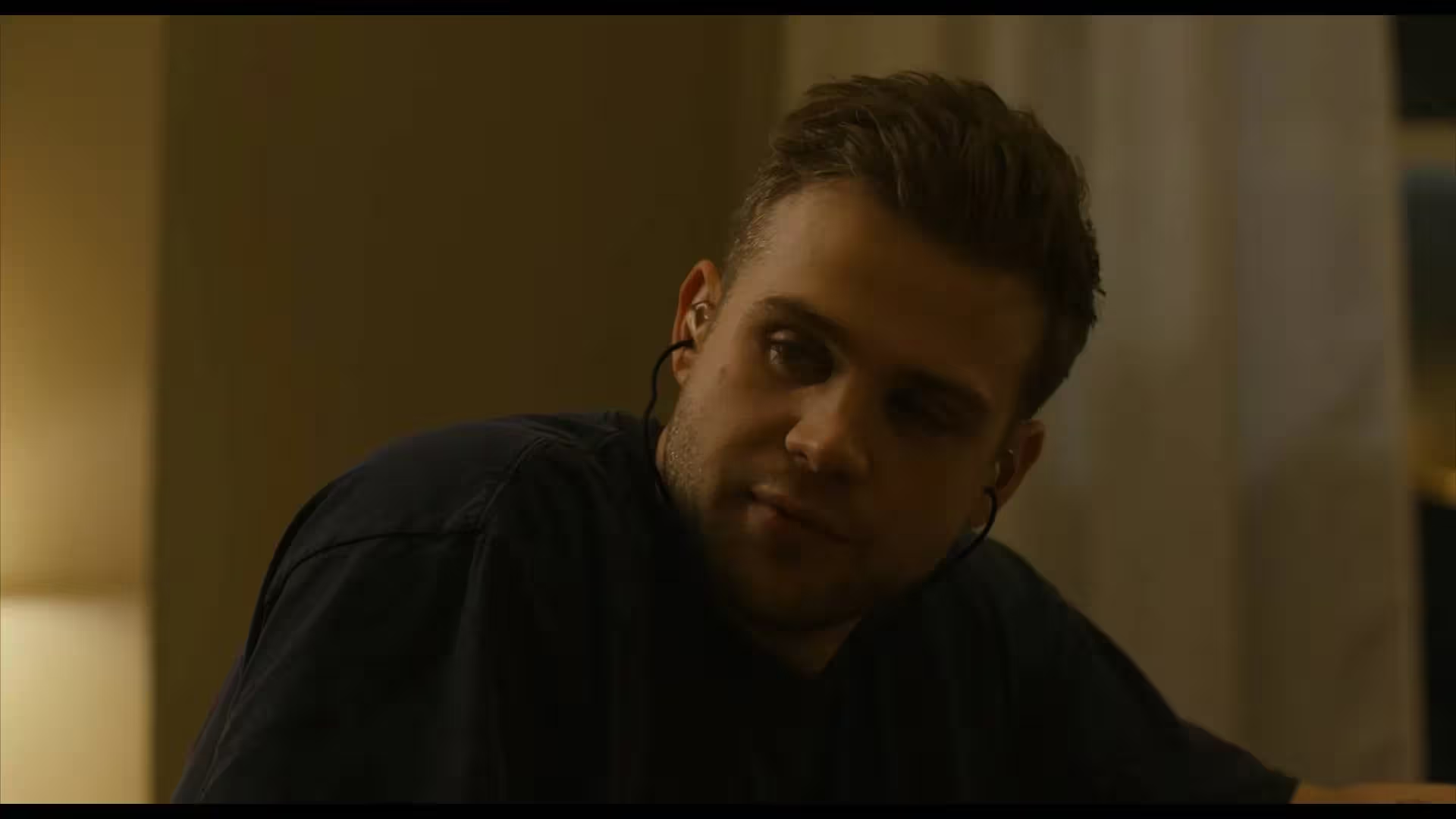
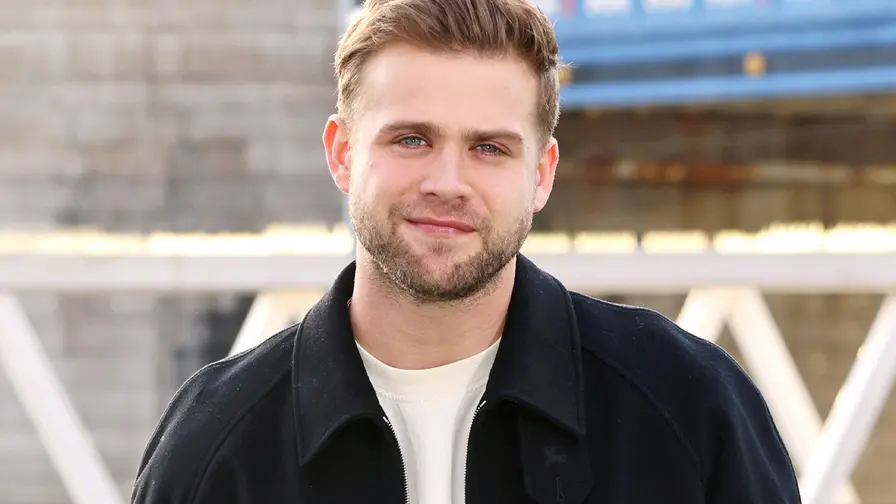
Leo Woodall as Nick is the film's anchor. He brings nervous precision to a character who reads the world in frequencies. He is quiet and alive in the same breath. Hoffman, almost ninety but never merely a presence, delivers a compact performance that gives Harry the weight of memory and regret without melodrama. Havana Rose Liu adds sharpness as Ruthie; her ambition gives the film its occasional electric charge.
And then the story bends. When Harry lands in the hospital with massive medical bills, Nick makes a desperate choice: he joins a crew of thieves. His unusual hearing makes him an expert at opening combination safes. It’s a bold turn. It should feel inevitable. Often, it does not. The film rushes its moral pivot as if trying to outrun its own quietude.
That rush exposes the screenplay's weakest seams. A line early on — "It's not about hearing, it's about feeling" — hints at a deeper theme but is left underexplored. Nick's slide into crime is presented as necessity, yet the emotional logic leading there lacks sufficient scaffolding. The romance between Nick and Ruthie, too, never quite settles in the chest. It functions as plot fuel more than lived feeling, which undercuts the stakes in the film's third act.
Still, Tuner has merits that matter. The synthesis of sound and image is frequently inspired. Roher's documentary instincts give the movie a tactile authenticity: the small, specific rituals of instrument care; the way a tiny adjustment can transform a chord. These details make listening a cinematic act. And when the film leans into its sensory obsessions, it becomes quietly compelling.
Acting is a clear strong suit. Woodall's performance is layered; he balances vulnerability and skill in a way that makes Nick fascinating to watch. Hoffman, measured and sympathetic, brings a human anchor. Liu provides a necessary foil: ambitious, sharp, at times impatient with sentiment. The supporting cast rounds out a believable world.
But good craft can only carry a film so far. Tuner is admirable in its intentions and often beautiful in execution, yet it’s held back by uneven writing. Scenes that promise deeper resonance flicker and go dark. Pivotal choices lack the interior work that would make them devastating rather than merely consequential.
Is it worth seeing? Yes. For the performances, for the sonic imagination, and for a filmmaker who proves he can translate documentary instincts into narrative cinema. Expect a movie that listens more than it shouts, that rewards patience even as it frustrates with what it leaves unsaid. My score: 6.5 out of 10. Will you go listen for yourself?

Leave a Comment
Comments
No comments yet. Be the first.