

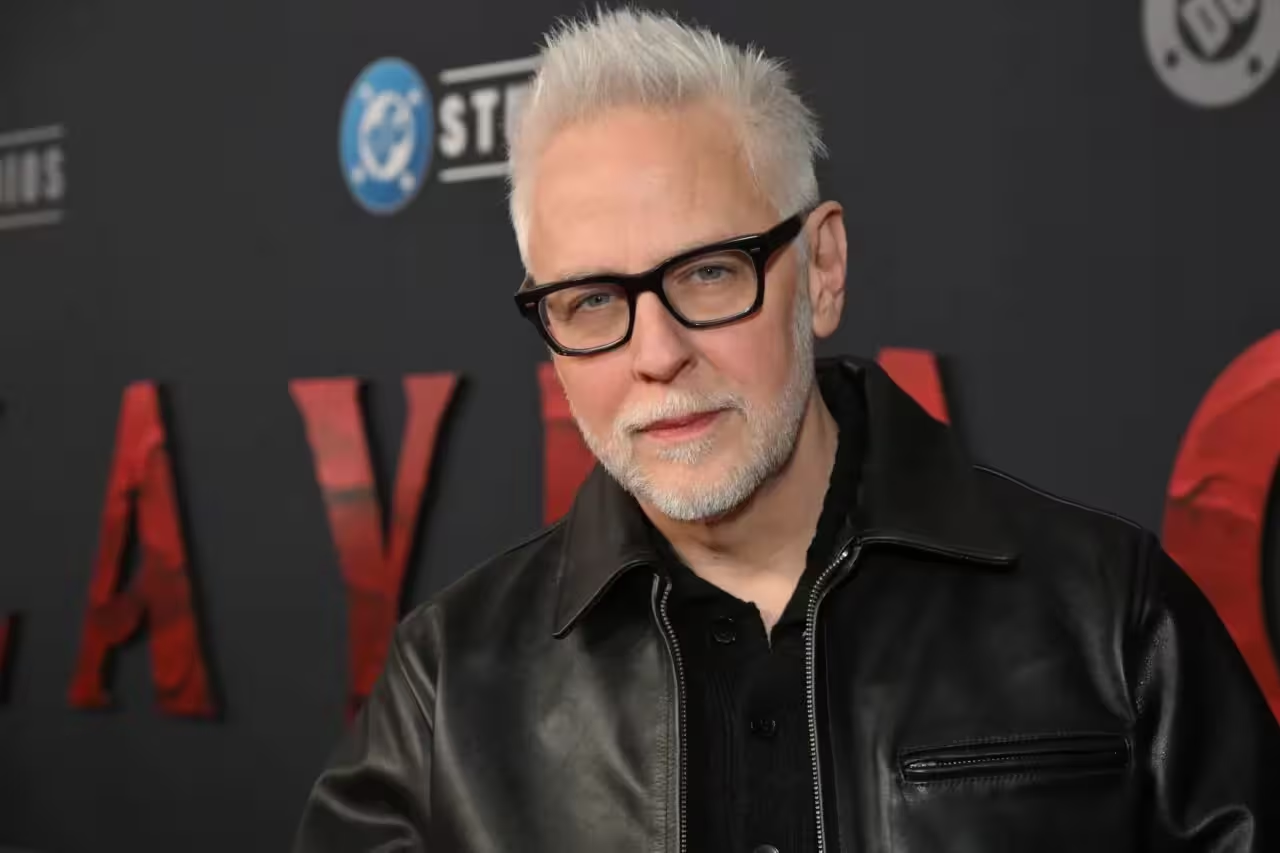
James Gunn didn't wait for a slow, carefully staged defense. He jumped straight into Threads with a blunt point: the DCU is a playground, not a blueprint that forces every story into the same alley.
A fan asked why every DC tale needs to be braided into a single, contiguous timeline. Gunn's reply was simple and stubbornly human: he's all for a world that lets storytellers enter anywhere—past, present, or future—and tell the story that fits that moment. Short sentence. Big idea.
He pointed out something obvious that still surprises many viewers: standalone does not equal isolated. Think of the way Star Wars has spun out films, shows, games and novels over nearly five decades—each different in tone, scope and audience, yet all part of a larger cultural map. Gunn admits Star Wars isn't as tonally diverse as DC, but the principle is the same. You can enjoy one story on its own and still recognize it as a piece of a larger mosaic.
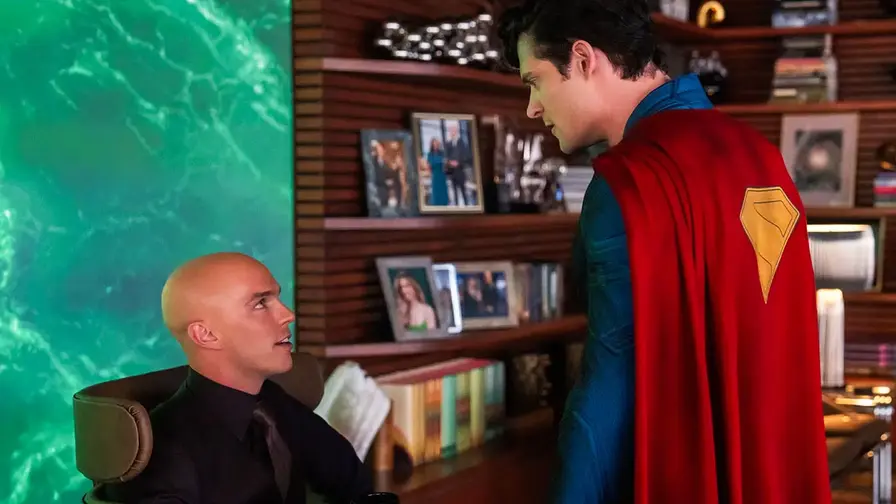
Gunn used Superman as an example. The new DC slate begins with Superman and then moves into Superman: Man of Tomorrow. Characters can—and will—migrate between projects. But that migration shouldn't be the only reason a movie exists. Gunn wants Clayface to be watched because it's a gripping horror-tinged adventure in its own right, not merely a trailer for an appearance in three other movies.
Stories should earn their existence as films first, and as connective tissue second.
That argument landed just as Clayface hit theaters. Directed by James Watkins, the film centers on Matt Hagen—played by Tom Rees Harries—whose face is horribly disfigured and who volunteers for an experimental treatment that spins into something darker. Naomi Ackie, David Dencik, Max Minghella and Eddie Marsan round out the cast.
Clayface opened in 3,458 North American theaters and brought in $24 million in its first weekend, debuting at number one at the box office. Not bad for a title some comic fans called an unusual choice compared with the more familiar faces previously showcased in the DCU.
Critics picked up on the film's oddball energy. Variety's Guy Lodge described it as a "grotesque, one-of-a-kind creature," arguing that some of the characters and conflicts might lose their bite if stretched into franchise conventions. As a standalone piece, though, the film's cross-genre approach—part horror, part dark comedy, part spectacle—feels vibrant and, yes, deliciously gross.
Back on Threads, Gunn pushed back against the idea that every entry must be a setup. He explained that a title can introduce characters who reappear elsewhere without those appearances being the reason the first movie existed. That distinction—between meaningful connection and cheap setup—is one he clearly wants the DCU to respect.
For fans who worry that a patchwork of tones will undermine coherence, Gunn has a pragmatic answer: coherence doesn't mean sameness. You can have a high-octane, neon Peacemaker and then a grim, body-horror Clayface. Both can occupy the same universe without canceling each other out. The goal, Gunn suggests, is variety anchored by thoughtful storytelling, not a forced sense of inevitability.
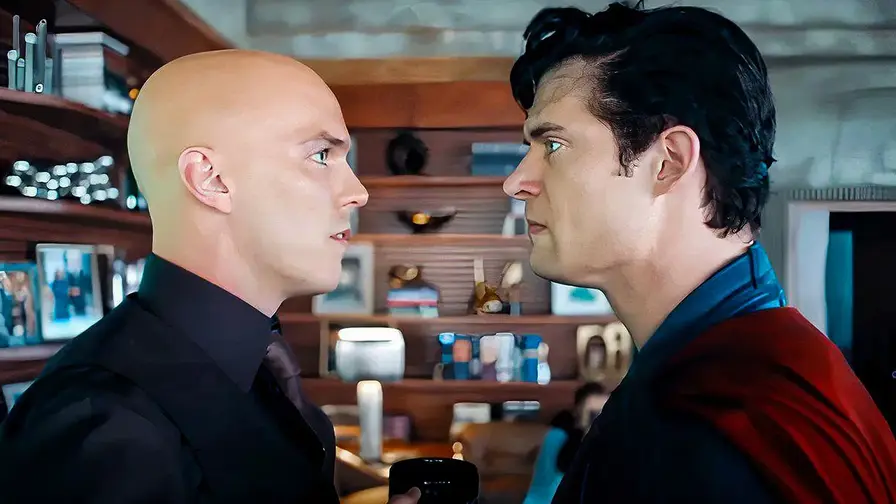
And if you still ask how these stories will line up in the long game, Gunn has given at least one concrete steer: Superman: Man of Tomorrow is scheduled for July 9, 2027, and will continue the throughline begun by this year's Superman entry. Between now and then, the DCU will keep expanding sideways as much as it moves forward.
So, what should viewers expect? A slate that tries to be risk-tolerant—one that allows weird, standalone experiments to breathe alongside bigger, connective chapters. It won't be tidy. It will be exciting. And if Gunn has his way, it will keep asking the simple question that should guide every creative decision: does this story work on its own?

Leave a Comment
Comments
No comments yet. Be the first.