
3 Minutes
Two Hollywood legends share a credit line and a mystery: how involved were Martin Scorsese and Steven Spielberg in Apple TV+'s new Cape Fear? The question has been trailing the show's release like a shadow.
The story goes back to the early 1990s, when the two directors famously swapped projects—Spielberg stepping away from a remake of the 1962 thriller and taking on what would become Schindler’s List, while Scorsese accepted Cape Fear, a film whose raw violence suited his sensibilities. That bit of Hollywood lore now frames the streaming series, which lists both filmmakers as executive producers.
Credits in Hollywood can stamp prestige on a project. They can also be marketing shorthand. So, when the first episodes landed on Apple TV+, reporters asked the cast whether those names reflected day-to-day involvement or merely a high-profile endorsement.

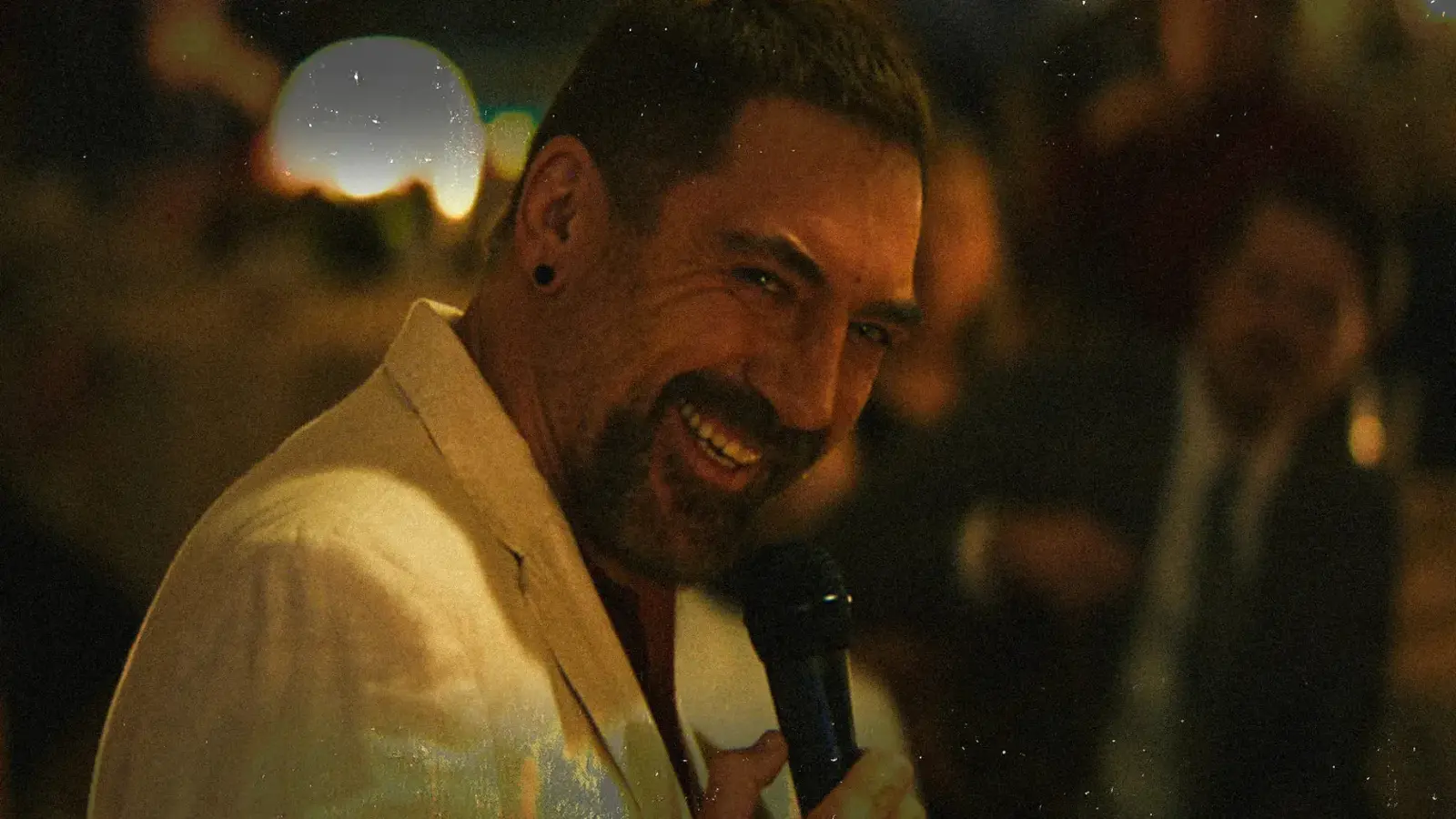
One of the show's actors, Lily Kolias, says the pair never stepped onto the shoot, yet their voices were felt. "We heard scattered feedback about their reactions to episodes, and that was exciting," she told ComicBook, capturing the curious mixture of distance and influence that comes with having cinematic titans attached.
Joe Anders, a newcomer to the series, offered a fuller snapshot. He described Scorsese and Spielberg as engaged observers rather than hands-on directors on set. They kept close tabs on the overall process, critiqued and reported back, but crucially gave the creative team—directors, writers and showrunner Nick Antosca—room to build the series they wanted. Face-to-face contact, Anders says, was limited.
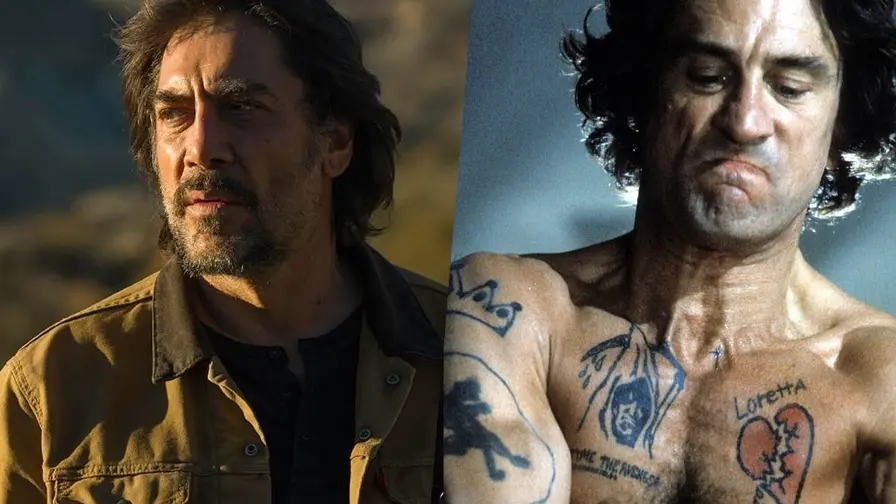
That arrangement makes sense. After all, every adaptation of John D. MacDonald’s novel The Executioners—known to most as Cape Fear—has reflected the era that produced it. The 1962 original, led by Gregory Peck and Robert Mitchum, was unsettling by the standards of its day. The 1991 remake pushed darker edges, with Robert De Niro and Nick Nolte exploring familial breakdown and explicit menace. This Apple TV+ version layers in modern anxieties and adds Javier Bardem’s menacing Max Cady to the canon, giving critics reason to argue it stands on its own.
So what do the credits mean in practice? In this case, they seem to mean mentorship and oversight rather than daily direction—big-picture fingerprints without micromanagement. The result is a show that nods to its cinematic predecessors while staking a claim as its own beast.
The first two episodes debuted Friday, June 5, 2026, and the debate over authorship—whose taste shaped the tone, and how much—will likely follow viewers into every next episode they stream.

Leave a Comment
Comments
No comments yet. Be the first.