
5 Minutes
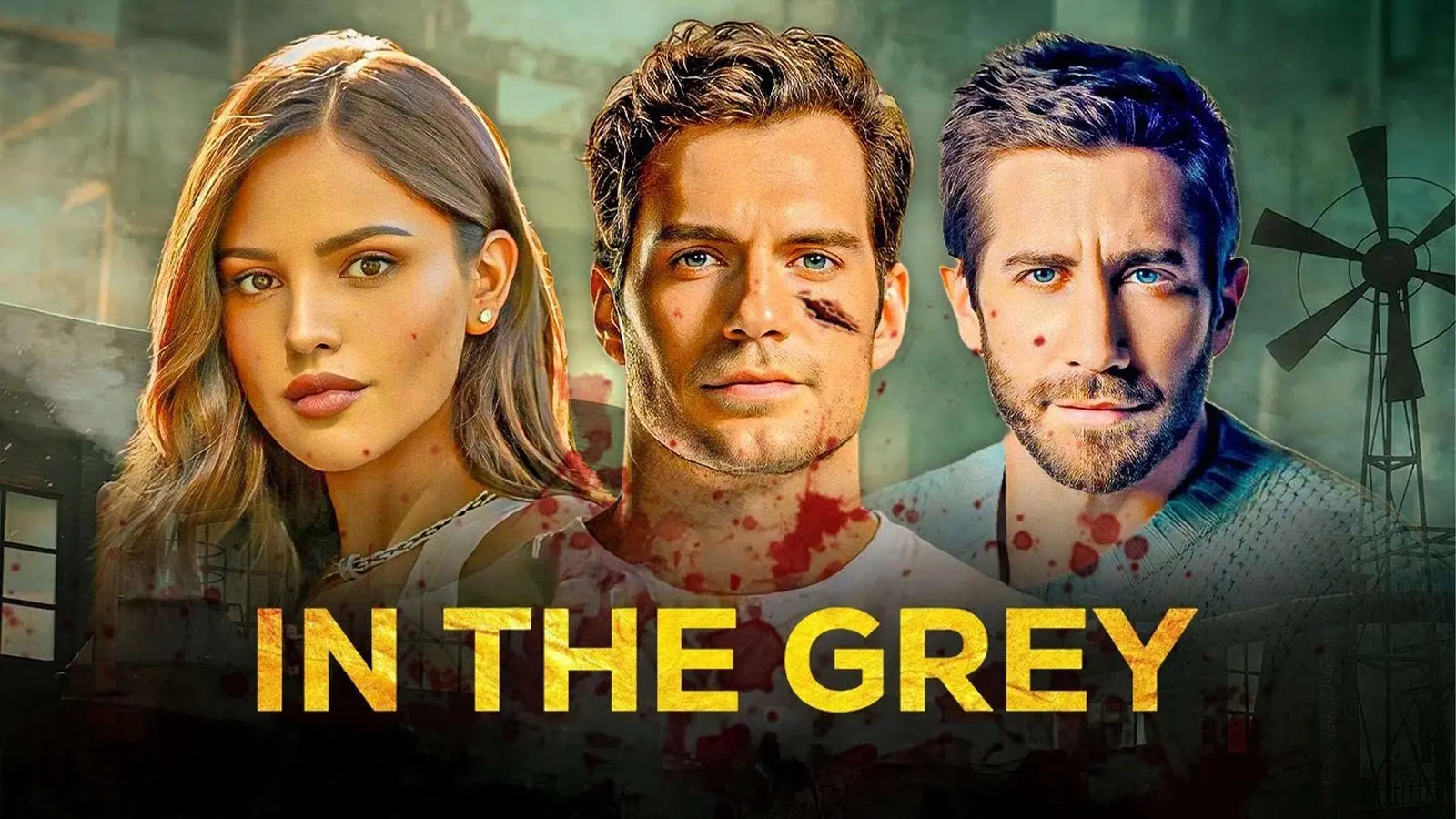
There’s a peculiar thrill in watching a director sprint through his own tropes. Guy Ritchie’s In The Grey moves fast. Too fast at times. It wears the costume of a familiar Ritchie caper—snappy frames, sudden violence, and clipped dialogue—while trying to carve out a personality of its own.
At first glance the screenplay feels intentionally cryptic. You’re dropped into a scramble: two rescuers, a negotiator who needs a route out, and a web of decisions that never fully reveals their stakes. For nearly half the runtime, the story drifts. Is the film centering on the negotiator, the rescuers, or the escape itself? You keep guessing. Gradually, small shards of backstory fall into place and the fog lifts. But by then the emotional scaffolding is already thin. Characters are sketched, not lived. When the script asks you to care, it often hasn’t done the work to earn that care.
Spoiler ahead: a mid‑film sacrifice—Andre Baker, played by Kojo Atta—aims for a gut punch. It lands like a missed cue. The moment is designed to tug at the heart, to justify choices and galvanize the plot, yet the lack of depth behind the gesture turns it flat. Instead of grief, there’s a wry, almost awkward distance. You feel the intention more than the impact.

The film suffers from structural indecision. Ritchie peppers the screen with numerous extreme long shots that often feel like placeholders for necessary exposition. These lingering wide frames promise cinematic breadth but sometimes only underline what the script fails to explain. The result: a pacing that alternates between breathless urgency and puzzling pauses, as if the filmmaking is trying to cram a three‑hour puzzle into a ninety‑minute box.
And yet, there’s craft here. The directing, when it chooses clarity over ornament, is often sharp. Ritchie’s instincts for staging action remain intact. He knows how to compose a fight, how to let a camera follow muscle memory so that motion reads as storytelling. When the film leans into that language—tight choreography, framed velocity—it shines. Those sequences carry a kinetic grace that feels familiar in the best way.
Casting is a mixed bag. Henry Cavill and Jake Gyllenhaal are the most convincing pieces on the board. Cavill moves with discipline; he trusts the body to speak when words don’t. His emotional aperture is narrow, but his physical command sells a lot of the film’s stakes. Gyllenhaal, who’s worked with Ritchie before, brings measured presence; his moments of stillness often reveal more than the script intends. By contrast, Isa Gonzalez’s Rachel Wild is written thin and performed with nervous ticks that read as affectation rather than interior life. That shaky opening sequence, anchored by a fragile performance, drags the film into a rocky start.

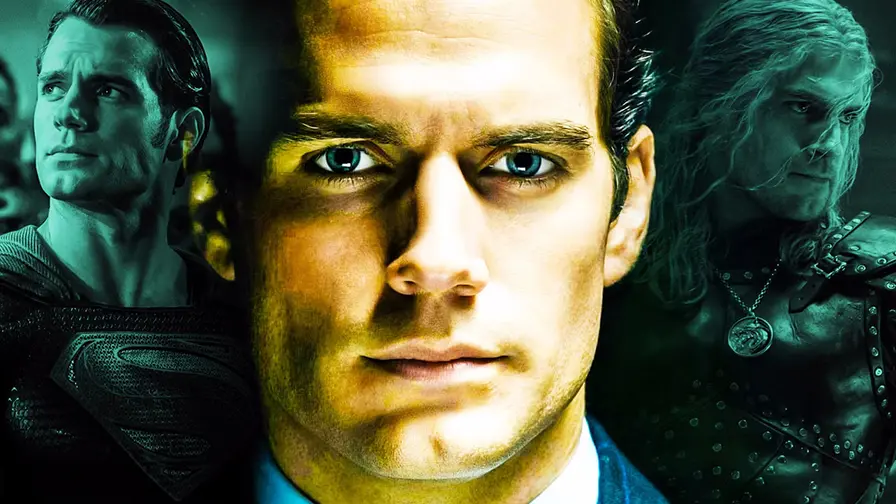
Visually, In The Grey is where it most often wins. Cinematographer Ed Wild understands scale and mood. His choice of framings—static and eye‑level during interior tension, handheld and intimate when breath needs to be held—pulls the viewer in. The camera’s rhythm alters with the narrative’s urgency and that flip is effective. The one visual misstep aligns with the screenplay: again, too many extreme wide shots that feel less cinematic choice than a patch for missing connective tissue.
Editing, unfortunately, undermines the film’s best impulses. Martin Walsh and Jim Widon’s cuts create a collage that never fully gels. There’s an overreliance on imitation—slowed moments, fractured jumps between past and present, and large on‑screen text that sometimes obscures rather than clarifies—gestures that recall other directors more than they serve Ritchie’s own voice. The pacing suffers: scenes either rush past before they land, or linger until the tension thins.
Soundtrack duties fall to Christopher Benstead, whose previous work promised a lot of heat. Here, the score plays oddly restrained. Moments that should swell into adrenaline or dread stay muted. The music rarely lifts the audience; instead it treads water, polite and functional.
On the technical front, however, the film feels modern and assured. Visual effects read as Hollywood‑grade and, in action set pieces, the choreography and post‑production polish match expectations. The film looks expensive in the right places, and that helps sustain immersion even when story logic falters.

So where does that leave the moviegoer? In The Grey is not an innovation. It borrows from espionage and action templates and wears echoes of Ritchie’s past work like medals. Yet borrowings can be satisfying when executed with enough craft. The film’s framing, its set pieces, and moments of committed acting make it enjoyable in spurts. It’s a familiar recipe, served with solid technique and an uneven emotional center.
Author's score: 6.5 out of 10.
If you love precise action and Ritchie’s signature rhythm, there’s a lot to like. If you want a narrative that holds your hand and rewards emotional investment, prepare to work for the payoff. Either way, it’s a film that asks to be seen and judged: will you spot the genius in the gloss, or feel the story slipping between the frames?

Leave a Comment
Comments (2)
Is it just me or are those extreme wide shots masking weak exposition? nice choreography, but I kept waiting for an emotional anchor... never came. quick thought, maybe rewatch?
Wow didnt expect Ritchie to sprint through his own tricks like this. Cavill sells a lot, Gyllenhaal too, but the sacrifice landed flat. Pacing all over, visuals hit hard tho