
Spoiler warning: this review reveals the full story.
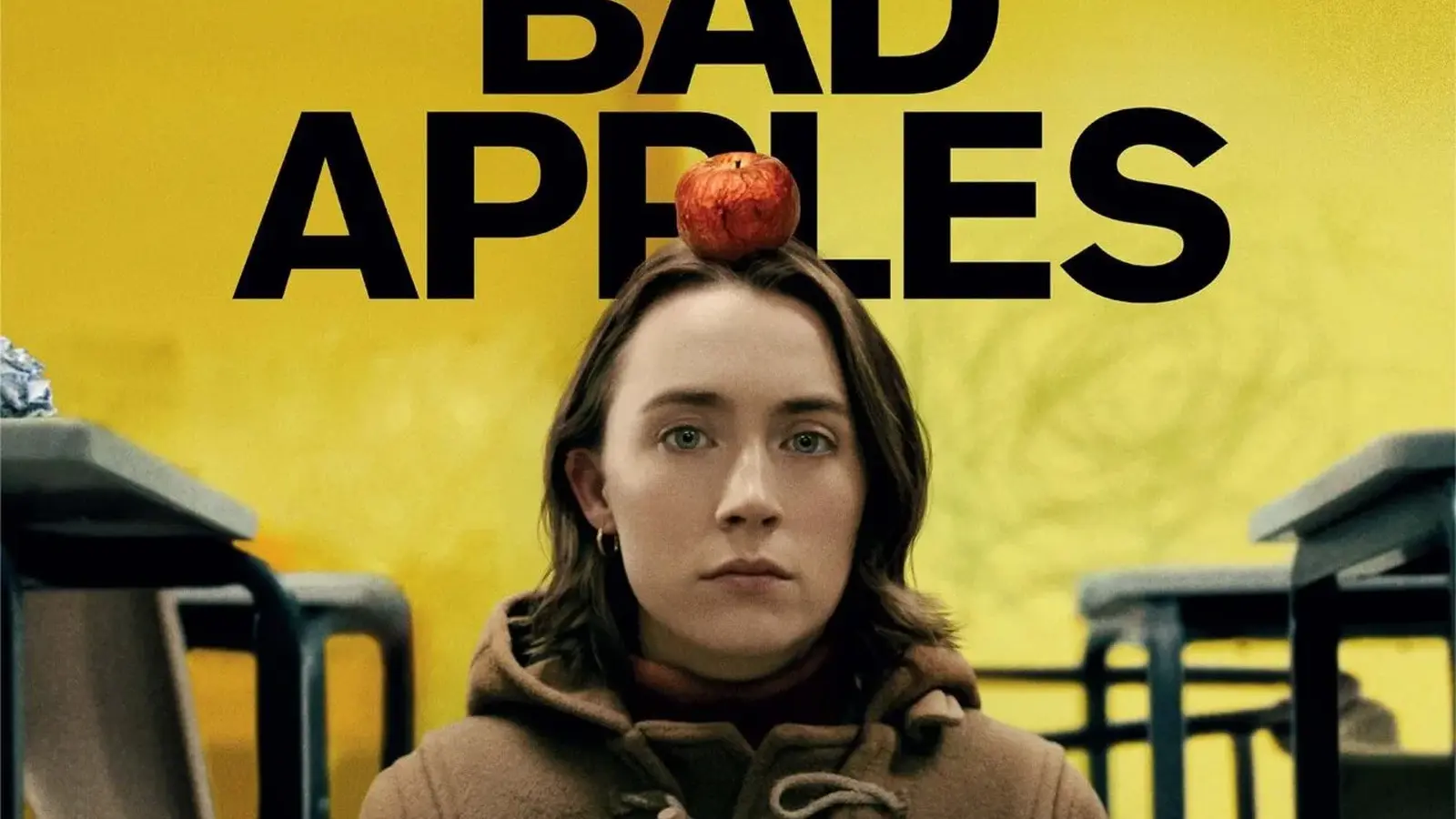
A single bite. Small act, enormous fallout. Bad Apples opens like a calm domestic painting—sunlight in a classroom, a gentle teacher, routines that hum along—then scratches the surface until the canvas peels away.
Saoirse Ronan plays Maria, a kindly teacher whose everyday order is owned and operated by routine and care. Enter Danny: a combustible child, allergic to rules and at home only in disruption. One escalation too many, one accident that could cost Maria everything, and she makes a decision that changes the moral geography of the film: she hides Danny in her basement.
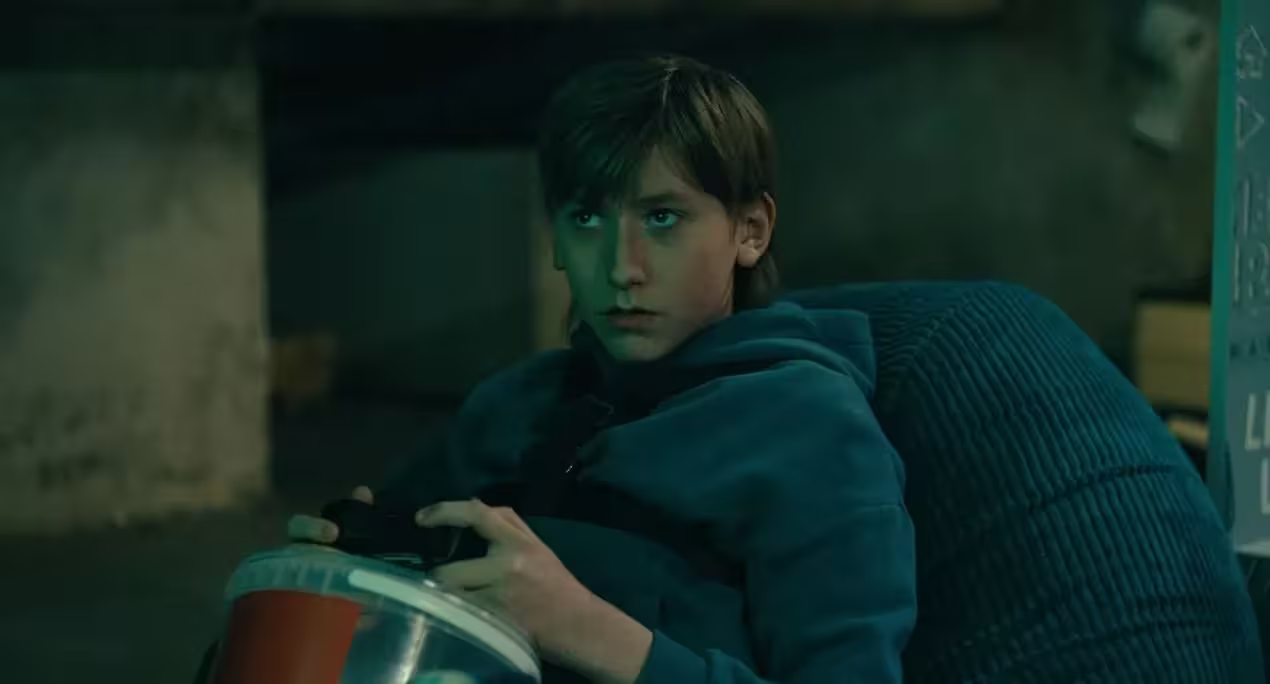
The first act is where Bad Apples hums. Jonathan Etzler stages pressure like a craft. Tight close-ups trap Ronan’s face in frames that feel like confession booths. The camera listens to her breathing. It tills the dirt where anxiety grows. A POV shot that shifts from calm observation to chaotic tumble—one child thrown down a stairwell, a broken arm, a look that lands like a verdict—turns ten minutes into a slow-burn panic. The director and cinematographer know how to choreograph claustrophobia.
Ronan carries the movie. She doesn’t shout. She hunches. She blinks. Fear nests in her eyes and stays. There’s a wonderful economy to her performance: little gestures that announce collapse before it arrives. You believe Maria’s moral slide because you live inside it with her, minute by minute. Ronan has always picked projects that let her do this kind of quiet violence—independent, measured, and bracing—and here she reminds you why she’s one of the generation’s surest actors.
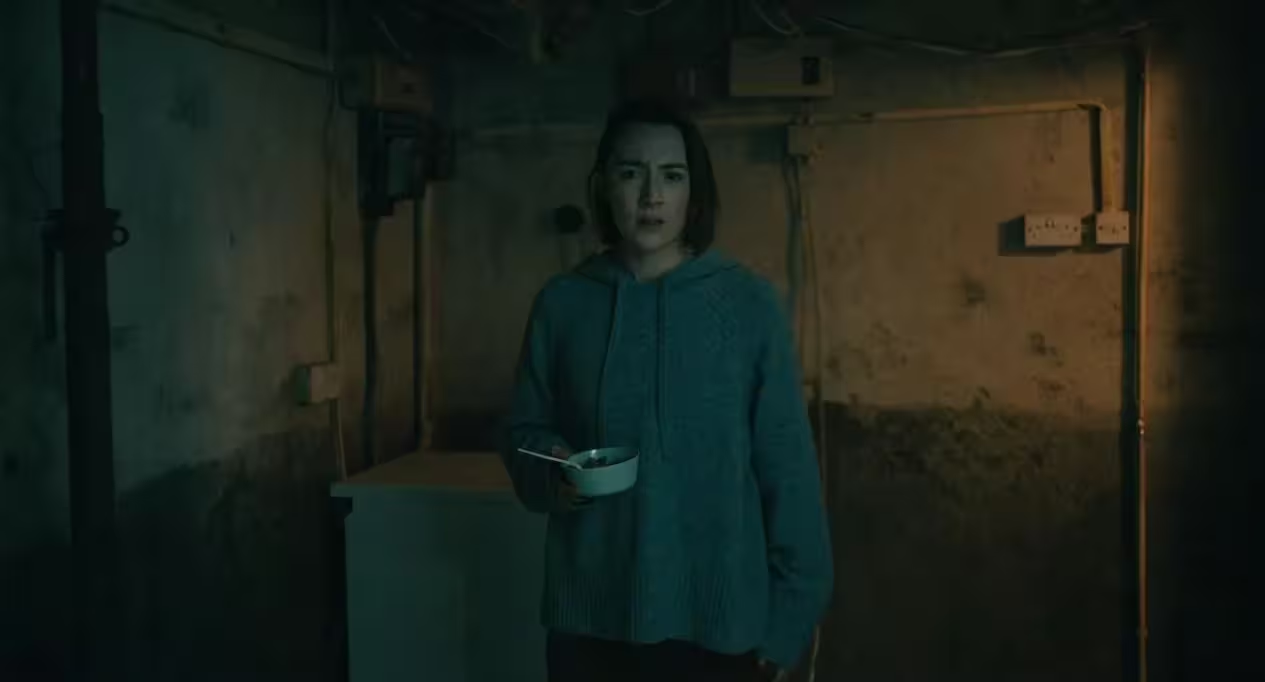

Then the film changes gears. The midsection leans into a strange domestic Eden Maria constructs; the basement becomes an ersatz secret garden where calm blooms for a while. The classroom, once a battlefield, quiets. Maria is promoted. For a beat, the compromise—the crime—seems to pay dividends. But the script asks us to accept choices that strain credibility. Parents who shrug and accept that a troublesome child stay locked away? A moral consensus that feels manufactured rather than earned? These beats weaken the dramatic spine.
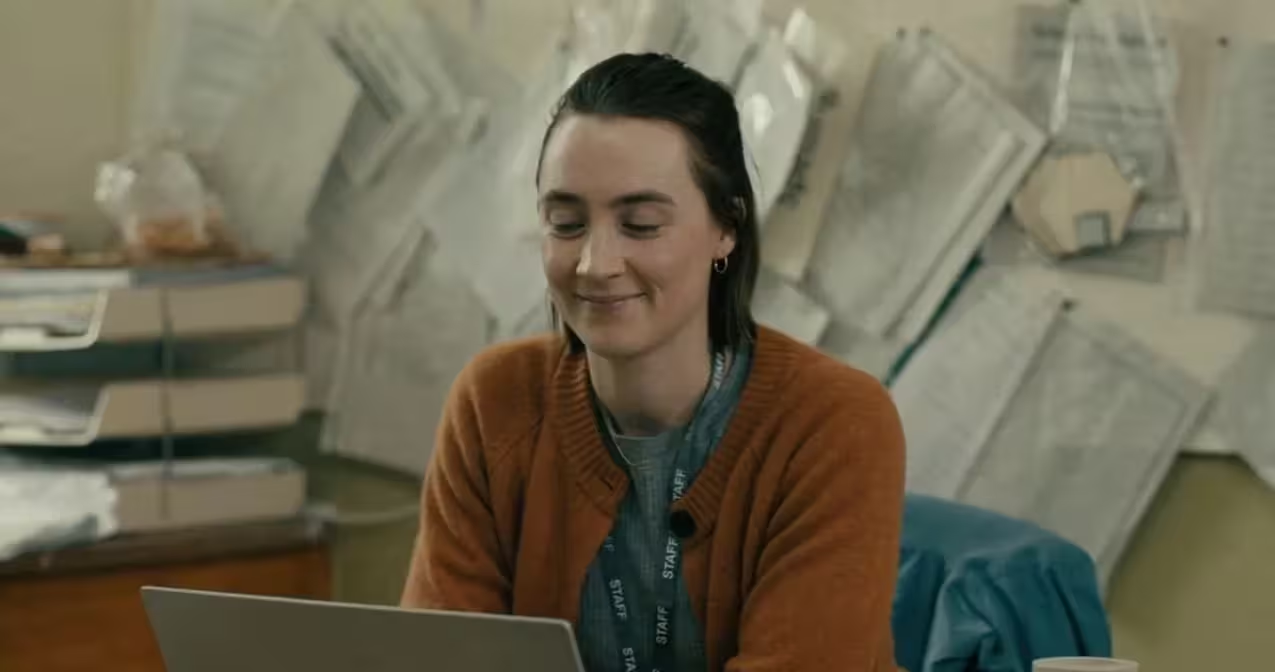
Bad Apples earns points for tonal control and loses some for narrative logic. When the film turns sentimental—Maria trying to humanize Danny, seeking connection—the atmosphere softens. That softness reads as both an attempt at psychological realism and a misstep in pacing; the movie seems to hope empathy will paper over tension. It doesn’t always work. The return to menace—the arrival of another strange girl, the slow pecking away at Maria’s secret—feels inevitable but not entirely convincing in the way it unravels.
What finally nags is not the concept but the choices that move it forward. A dramatic reveal plays out with less cinematic craft than what precedes it; the moral logic frays. The film asks the audience to go with it, to suspend disbelief in service of a fable about temptation and exile. Sometimes that gamble pays. Sometimes it doesn’t.
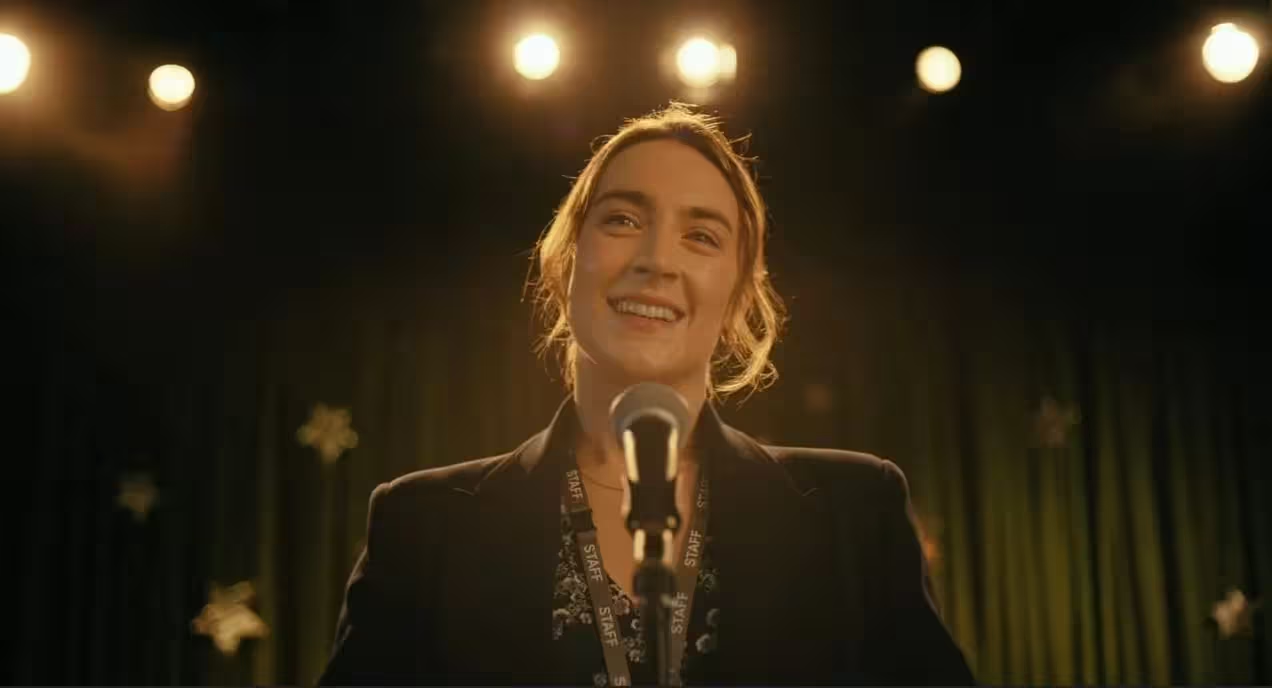
And yet the film’s imagery lingers: the rotten apple as a repeating motif, the metaphor of Eden inverted, a teacher’s smile that turns private and haunted. The last shot—Maria’s smile after Danny escapes—stings because it’s not relief. It’s recognition. You see exile beginning, and it’s a small, precise moment of ruin.
My score: 7.5/10.

Bad Apples is a study in tight, effective filmmaking undone by moments where narrative plausibility is traded for tidy symbolism. It’s a film you’ll think about after the lights go up—mostly because Ronan’s performance refuses to leave you, and because the idea that one wrong bite can topple a life remains disturbingly persuasive. Would you have taken that bite?

Leave a Comment
Comments
No comments yet. Be the first.