
4 Minutes
Retail investors take out loans as SpaceX IPO demand surges
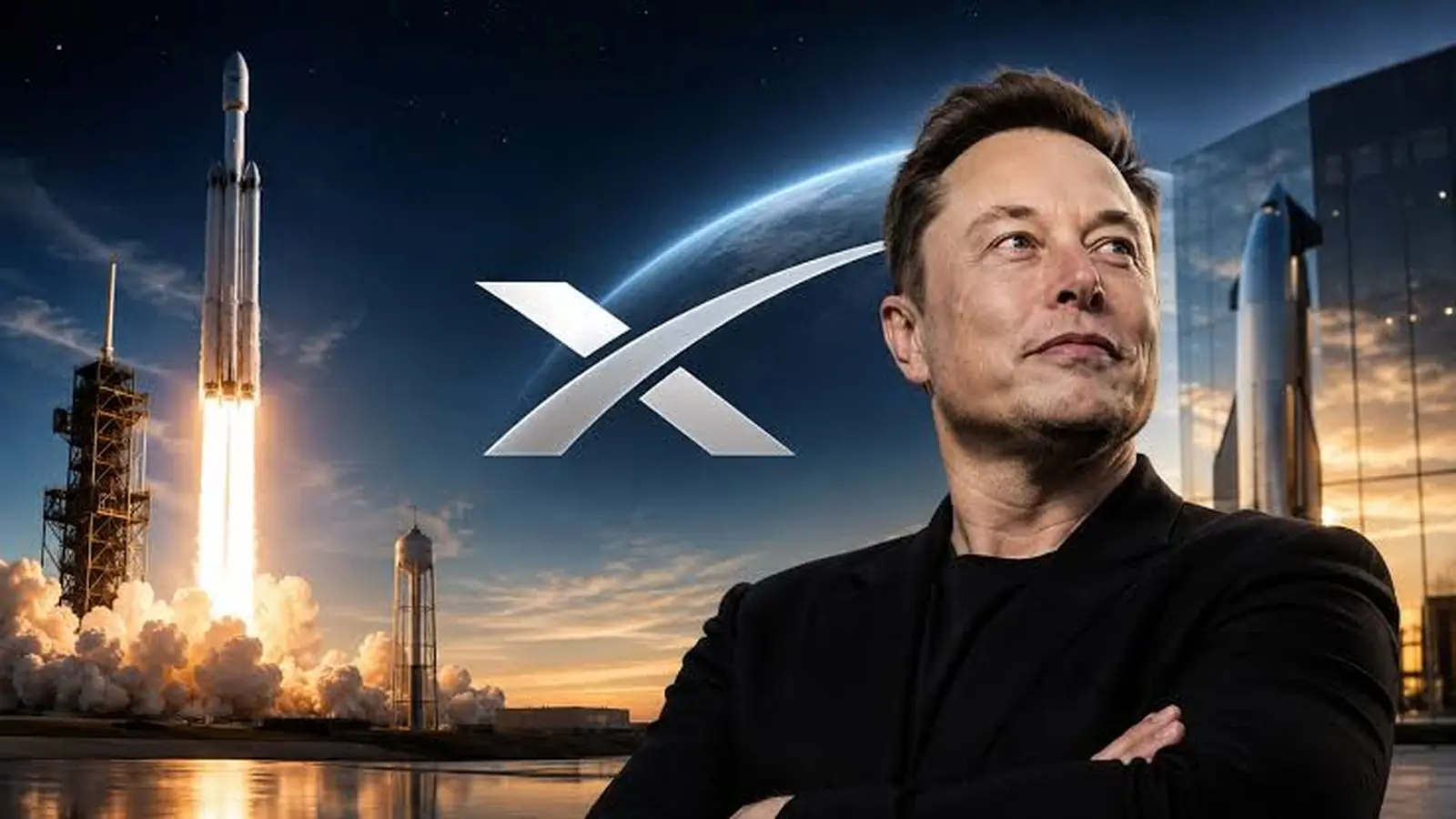
Retail traders and individual investors have raced to secure shares in Elon Musk’s SpaceX ahead of its highly anticipated initial public offering, with some going so far as to seek personal loans and extra financing to participate. Bloomberg reports that demand has far outstripped supply, fueling a buying frenzy that underscores both the company’s cachet and the broader enthusiasm among equity and crypto-focused retail audiences.
Why investors are stretching to buy SpaceX stock
SpaceX is preparing for one of the most closely watched public listings in recent years, carrying an estimated market valuation near $1.75 trillion. That aura of scale — along with Musk’s track record building companies such as Tesla — has driven many retail buyers to allocate scarce capital, and in some cases to borrow, to get exposure to what they view as a long-term growth opportunity.
Bloomberg says retail allocation represents roughly 30% of the offering, equal to about $22.5 billion of shares earmarked for individual investors. Yet preliminary interest appears to exceed available retail shares by more than four times. Market analysts cited by Bloomberg estimate retail demand could approach $70 billion once trading begins, highlighting a substantial gap between appetite and allocation.

Personal stories and alternative financing
The surge is not limited to wealthy or institutional buyers. Bloomberg shared the story of Anna Watts, a 33-year-old public relations manager from New York, who saved $6,500 to participate in the IPO and tried — unsuccessfully — to borrow another $5,000 from a friend and a bank. Despite rejections, she told reporters she remains committed to securing shares at the offering.
Some crypto investors have also shown interest, with reports indicating that retail buyers from the broader blockchain and cryptocurrency community are watching closely. While many investors are simply reallocating cash savings, others are evaluating borrowing options, including traditional personal loans and, anecdotally, crypto-backed lending platforms — a reminder that Web3 and DeFi tools increasingly intersect with mainstream equity markets.
Regulatory and legal scrutiny clouds the run-up
The IPO excitement arrives amid rising regulatory and legal scrutiny. Senator Elizabeth Warren urged the U.S. Securities and Exchange Commission to review and potentially delay the offering, citing concerns about investor protections, corporate governance, and valuation. Such calls underscore the high-profile nature of SpaceX’s market debut and the scrutiny it will face from lawmakers and regulators.
Separately, a lawsuit tied to Musk’s AI company xAI has added complexity. A former xAI engineer, Devin Kim, filed a complaint in Santa Clara County Superior Court alleging he was dismissed after raising safety concerns about the Grok chatbot and advocating for additional testing. The suit claims the chatbot lacked safeguards against misinformation, bias, and harmful outputs, and seeks compensatory and punitive damages, attorneys’ fees, and forfeited equity. The dispute drew SpaceX into the case following a recent merger between the companies, adding a legal spotlight just ahead of the IPO.
Wall Street perspective and price expectations
Despite the legal and regulatory headwinds, Wall Street analysts have generally expressed constructive views. Oppenheimer initiated coverage with an outperform rating and set a $190 price target, well above the company’s widely reported expected IPO price of $135. That endorsement has helped maintain bullish sentiment among many retail investors — from traditional stock buyers to crypto-savvy retail traders — who view the offering as a rare chance to own shares of a major space and satellite operator.
SpaceX’s business lines — commercial launch services, astronaut transportation, and the Starlink satellite internet network — have shown robust growth in recent years, which underpins investor optimism even as questions about governance and oversight linger.
What this means for crypto and retail markets
The SpaceX IPO highlights the growing crossover between traditional public markets and the retail investor base that includes crypto traders. As DeFi and crypto lending platforms expand, more retail participants may consider nontraditional financing to access IPOs and other high-demand allocations. That could increase volatility, heighten margin and credit risks for individual buyers, and attract further regulatory attention.

For now, the dominant narrative remains strong demand from Musk supporters and retail investors determined to secure shares at the offering. Whether that appetite will be satisfied, and how it will influence secondary-market dynamics and crypto-linked financing practices, will be closely watched once SpaceX begins trading publicly.

Leave a Comment
Comments (2)
feels overhyped but ok. Starlink biz looks solid, yet ppl borrowing to invest is alarming, could blow up. if that happens youll see chaos
Is this even true? ppl taking loans to buy SpaceX, wtf. Seems like a bubble play, regulators gotta step in before it gets messy..