
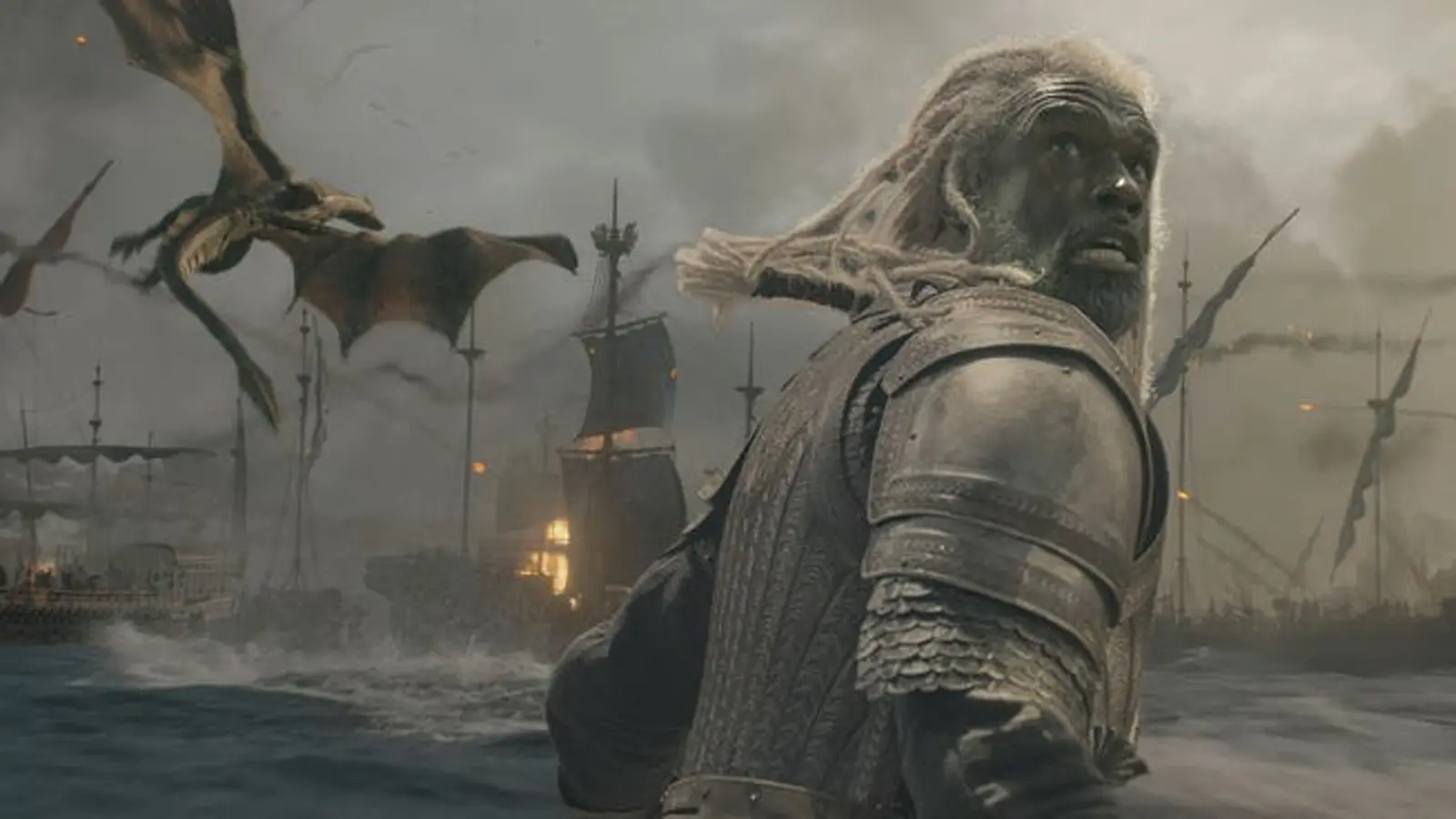
The sea sequence in House of the Dragon's third season lands like a thunderclap—bigger, noisier and far more personal than the four-page sketch George R.R. Martin penned in Fire & Blood. What was a brief, devastating footnote in the book has been stretched into a 25-minute set piece on screen, and with that expansion comes a different map of winners, losers and moral wreckage.
Jacaerys Velaryon’s fate remains the beating heart of the episode. In both book and show, Jace and his dragon Vermax are felled in the chaos; sky and water conspire to end them. Yet the cameras choose a different cruelty: where Fire & Blood leaves Jace’s body lost to the depths, the series makes his floating corpse visible, pierced by arrows. The image lingers. It hurts.

The broad strokes are familiar, but the details are where the show truly rewrites history.
Showrunner Ryan Condal explained one of the practical reasons for the changes: the Targaryen chronicle features many very young children, and compressing decades into a handful of seasons forced hard choices. Two boys who loom large in the book’s aftermath—young Aegon and Viserys—never near the battle in the series. In Fire & Blood, their ship is caught in the melee; survival, capture and a long, twisty exile shape future kings. On television, they were sent to Pentos at the end of season two and kept far from the Galt conflict, shrinking a whole branch of later history.

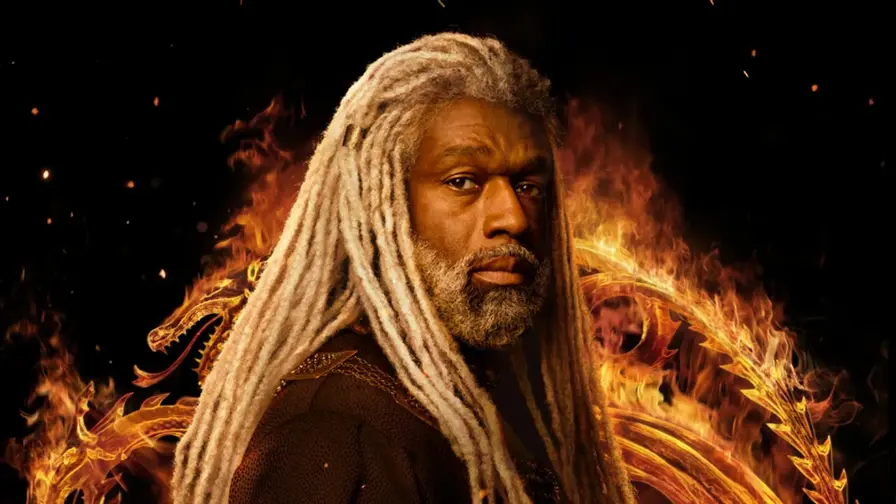
Other combatants arrive on screen who were only background names in the book. Addam of Hull still rides Seasmoke. Hugh Hammer pilots Vermithor. Ulf White flies Silverwing. Sharako Lohar commands the Triarchy fleet. But Corlys Velaryon—the Sea Snake—who was absent from the book’s battle, is placed at the center of the action here, fighting alongside his bastard son, Alyn Hall. That inclusion changes motivations and outcomes in ways the book never imagined: Driftmark is attacked, Tidewater castles burn, and a revenge streak fuels Sharako’s maneuvers.
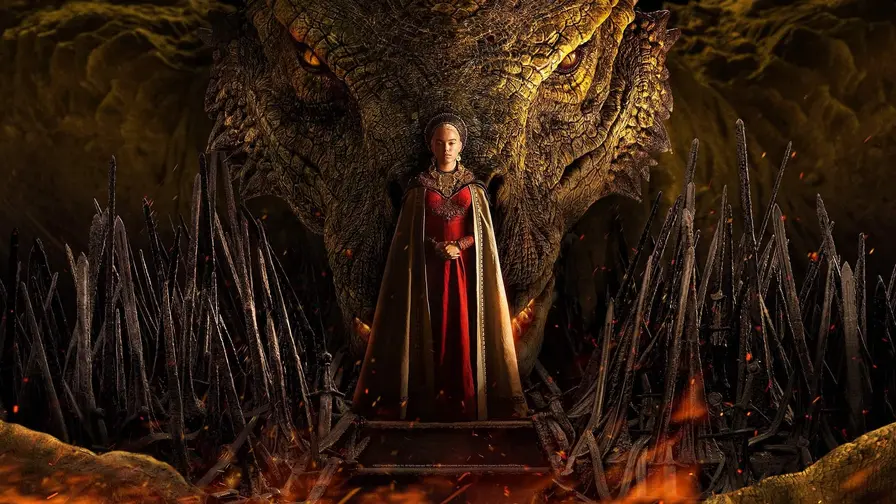
Some of the show’s biggest narrative swaps come from removing a mysterious book character and grafting her onto a Targaryen face. Nettles—the ragged outsider who bonds with the wild dragon Sheepstealer in Fire & Blood—was cut, and her role grafted onto Rhaena Targaryen (Daemon’s daughter) in the series. Rhaena finds and mounts Sheepstealer, but she never fully masters the creature; the beast’s rogue instincts turn it into a killing instrument that sets fire to friendly ships before hunting Vermax and Jace.

The result is brutal and intimate. Rhaena gets what she’s wanted since season one: a dragon of her own. What she does not get is control. The narrative choice makes the emotional toll immediate for viewers who followed her arc—ambition colliding with the sharpest of consequences. Will Rhaena, and the queen who sent her searching, ever forgive what unfolds at sea?
Baela Targaryen also appears in the televised clash with her dragon Moondancer, a presence that did not occur in the book’s version of this fight. Her inclusion ties more of the family into the carnage and positions witnesses close to Jace’s last decisions—like the shocking scene the show invented in which Jace locks Rhaenyra in a cabin so he can go to battle in her stead. It’s small changes like that which bend characters’ moral arcs in new directions.
The choreography of revenge shifts other destinies. In the series, Sharako Lohar’s desire to make Corlys pay culminates in a vicious close-quarters fight that ends with Corlys falling into the waves and Lohar meeting Alyn Hall’s blade. In Fire & Blood, Lohar survives the engagement and his later death comes in different circumstances, a thread that contributes to the so-called War of the Daughters in the books—an entire cascade of events that now looks less likely to play out on screen given the show’s four-season arc.

These edits feel deliberate. Compressing decades of court plotting and generational consequence into a finite television timeline forces the series to prioritize theatrical moments over faithfully reproducing every twist in the text. Some fans will mourn the lost knots of the saga—Aegon and Viserys’ long exile, the mystery of the missing prince who becomes a future king—but others will appreciate how the camera amplifies emotion and stakes in real time.
At its core, season three’s treatment of the Galt battle is a study in trade-offs: spectacle for subtlety, narrative economy for sprawling genealogy, immediate grief for slow-burning political aftermath. It also asks a softer question of its audience—how much of a history do you want played out as myth, and how much do you want held up to the light, frame by frame?
Either way, the show has ensured this particular sea will be remembered not as a footnote but as a chapter that changes everything.

Leave a Comment
Comments (2)
Pretty sharp adaptation move, spectacle over subtlety mostly works here. Still, losing Aegon/Viserys exile means a chunk of future causality is gone, if that's real then i'm curious how they'll patch the later kings, feels risky
Wow that sea scene hit like a thunderclap, didnt expect Jace's corpse to be so... visible. it actually hurt, gives Rhaena's arc a whole new sting. sad but brilliant