
4 Minutes
Regulators open 60-day consultation on crypto derivatives and margining
The US Securities and Exchange Commission and the Commodity Futures Trading Commission have initiated a coordinated review of rules governing crypto derivatives, launching a 60-day public comment period. The joint consultation follows recent approvals for regulated crypto perpetual futures and aims to align portfolio margining and risk management across securities, swaps, futures, and related tokenized positions.
Why the review matters
The agencies say the review will explore whether better coordination on portfolio margining and cross-margining can reduce market fragmentation, unlock liquidity, and strengthen consumer protections. As crypto derivatives and tokenized financial products gain traction in the United States, regulators are weighing how legacy regulatory frameworks apply to new trading models and instruments.
The public comment window will open once the proposal is published in the Federal Register and remain available for 60 days, giving market participants, exchanges, clearinghouses, and institutional investors an opportunity to weigh in on definitions, margining practices, and oversight structures.

Context: perpetual futures and market expansion
The review comes on the heels of approvals that have expanded regulated access to perpetual futures tied to major tokens. Kalshi secured CFTC approval to list perpetual contracts referencing Bitcoin, Ether, XRP, and HYPE. Other trading venues, including Hyperliquid, have likewise broadened product offerings with perpetuals linked to tokenized securities and digital assets.
Regulators point to these developments as one reason to reassess how portfolio margining rules are applied across different product types. Cross-margining, if harmonized effectively, could allow positions held in separate accounts and product categories to net margin requirements, potentially freeing up capital and improving market efficiency while preserving risk controls.
Regulatory coordination and risk management
Both agencies want feedback on whether closer coordination will improve risk management and reduce duplication in supervision. The consultation will consider how portfolio margining could be defined and implemented across securities, security-based swaps, futures, swaps, and related tokenized positions, with a focus on systemic risk, clearing standards, and reporting transparency.
Policy makers say harmonized approaches may also help address operational complexity that has emerged with hybrid products that blend features of swaps and futures, and products that rely on tokenization or decentralized settlement mechanisms.
Parallel questions on derivatives definitions

Separately, the SEC and the CFTC have asked for public comment on how Title VII of the Dodd-Frank Act defines swaps, security-based swaps, and related derivatives. The agencies note that market structure and trading practices have evolved since those rules were first adopted, and they are seeking input on whether existing definitions remain fit for purpose.
The inquiry covers swap exclusions, mixed swaps, jurisdictional scope, alternative compliance pathways, and how new instruments should be categorized for clearing, reporting, and execution requirements. Responses are expected to help build a common regulatory record that may inform future staff guidance and litigation.
Why classification is important
Whether a crypto derivative is treated as a swap or a futures contract has real implications. Swaps and futures are subject to different clearing, margining, trade reporting, and oversight regimes. The classification affects which regulator has primary authority, how products are listed, and the compliance framework for exchanges and market participants.
Legal disputes and industry pushback
The consultation arrives amid several high-profile legal battles involving crypto derivatives and prediction markets. The CFTC recently filed suit in federal court after Kentucky moved to apply state gaming laws to prediction market operators. The agency maintains the Commodity Exchange Act grants it exclusive oversight of federally regulated futures, options, and swaps, while state regulators argue that certain event-based contracts fall under state gambling laws.
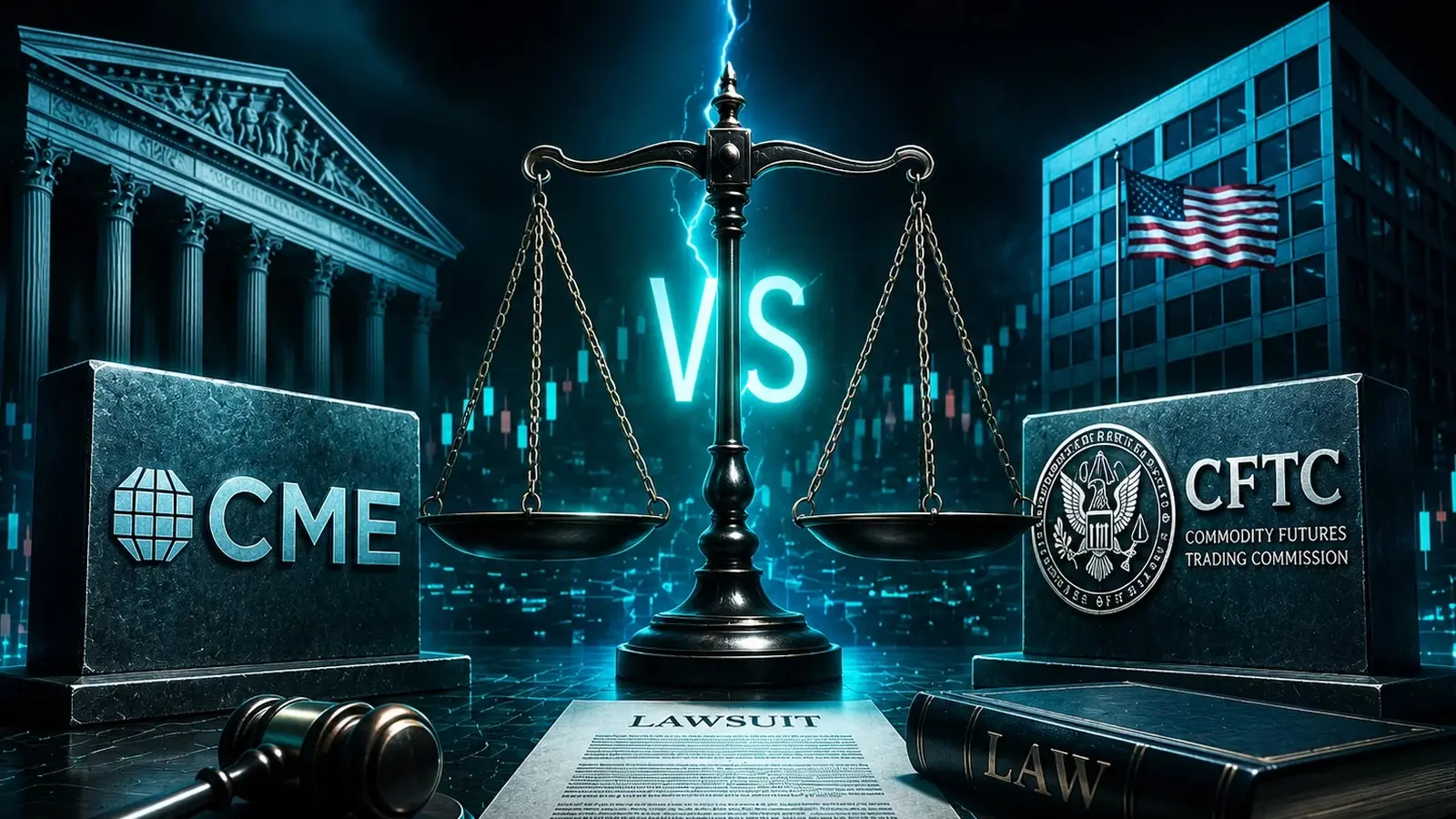
Meanwhile, CME Group has challenged the CFTC in court over approvals for perpetual crypto futures, arguing that some perpetual contracts should be regulated as swaps under Dodd-Frank rather than as traditional futures. That dispute highlights the deep consequences of product classification for clearing obligations, exchange rules, and investor protections.
What market participants should do
Exchanges, brokers, asset managers, and institutional traders should consider submitting detailed comments during the 60-day consultation. Topics to address include margin methodologies, cross-margining mechanics, operational safeguards for tokenized assets, and how to reconcile competing jurisdictional claims. Clear, evidence-based feedback can influence how the SEC and CFTC shape unified guidance or joint rulemaking.
Implications for the future of crypto trading
This joint review signals a pragmatic effort to update derivatives oversight as crypto markets evolve. Harmonized portfolio margining and clearer definitions could unlock capital efficiencies and support deeper liquidity in regulated venues, but they must be balanced against robust risk management and consumer protection standards.
As new trading models and tokenized financial products continue to enter US markets, the outcome of these consultations will be closely watched by industry stakeholders and could define how future crypto products are structured, cleared, and supervised.













Leave a Comment
Comments (2)
is this even true? cross-margining sounds great on paper but how do you reconcile state vs federal claims, and tokenized settlement ops... feels messy tbh
wow this could free up real capital but also sounds risky… regulators juggling too many hats, hope they dont break liquidity by overregulating. curious what exchanges will say