
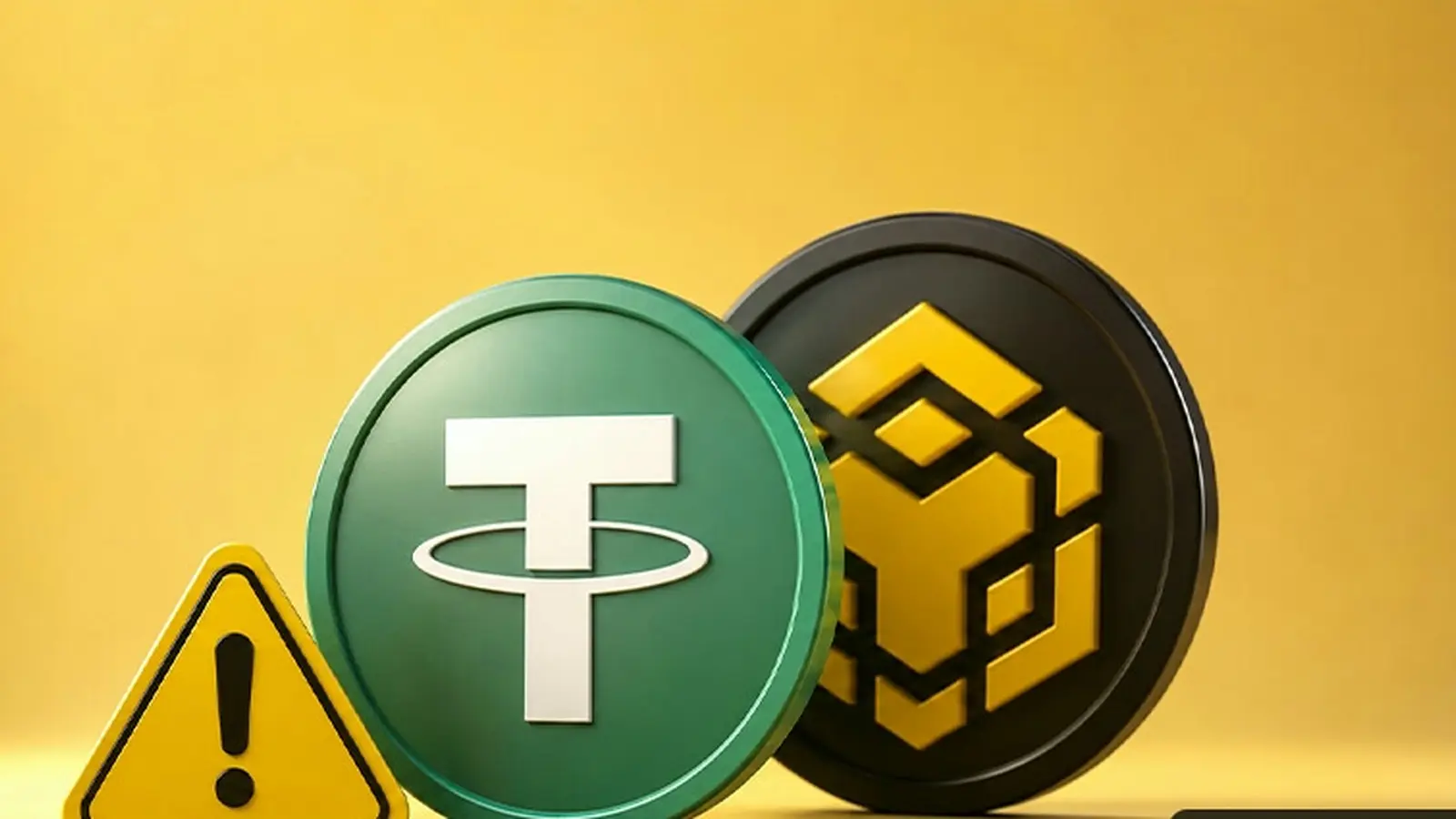
Beware of Fake USDT Tokens on BNB Smart Chain
Cryptocurrency users should be alert to fake Tether (USDT) tokens circulating on the BNB Smart Chain (BSC). Scammers are creating tokens that mimic USDT’s name, symbol, and logo to trick users into visiting malicious sites, approving contracts, or signing transactions that can drain wallets. Some of these counterfeit tokens have already been flagged on BscScan as impersonators or abusive tokens.
Why receiving a fake token doesn’t always mean your wallet is hacked
On public blockchains, anyone can send a token to any address, so simply receiving an unknown token does not necessarily indicate a wallet compromise. The real danger begins when a user confuses the fake token with genuine USDT and attempts to swap, sell, or interact with links shown in the transaction details. Malicious pages often ask victims to sign transactions or grant an Approval to a scam contract, which can then transfer other assets from the wallet.
How to identify the official USDT on BNB Chain
Do not rely on token name, symbol, logo, or the balance displayed in your wallet alone. Always verify the token contract address. The official Tether contract on BNB Smart Chain is:
0x55d398326f99059ff775485246999027b3197955
Check tokens on BscScan and compare contract addresses before interacting. Use trusted sources—official Tether documentation, reputable exchanges, or verified token lists—to confirm authenticity.
What to do if you receive an unknown token
If an unknown token appears in your wallet, avoid swapping, transferring, or clicking any links included in the transaction memo. Never enter your seed phrase or private key on any website. Security experts emphasize that user interaction with a malicious token or its smart contract is far more dangerous than passive receipt. If you suspect exposure, consider revoking suspicious approvals using reputable tools, move funds to a new wallet if necessary, and review recent approvals on BscScan. Always use hardware wallets for large holdings and enable conservative wallet settings to limit automatic approvals.
Stay vigilant: protect your assets
Token scams and phishing attempts remain widespread on BSC and other chains. Prioritize wallet security—verify contract addresses, avoid unknown links, and never sign transactions you don’t fully understand. Staying informed about smart contract scams, USDT impersonation, and approval-based exploits is essential to safeguarding your crypto assets.


Leave a Comment
Comments
No comments yet. Be the first.