
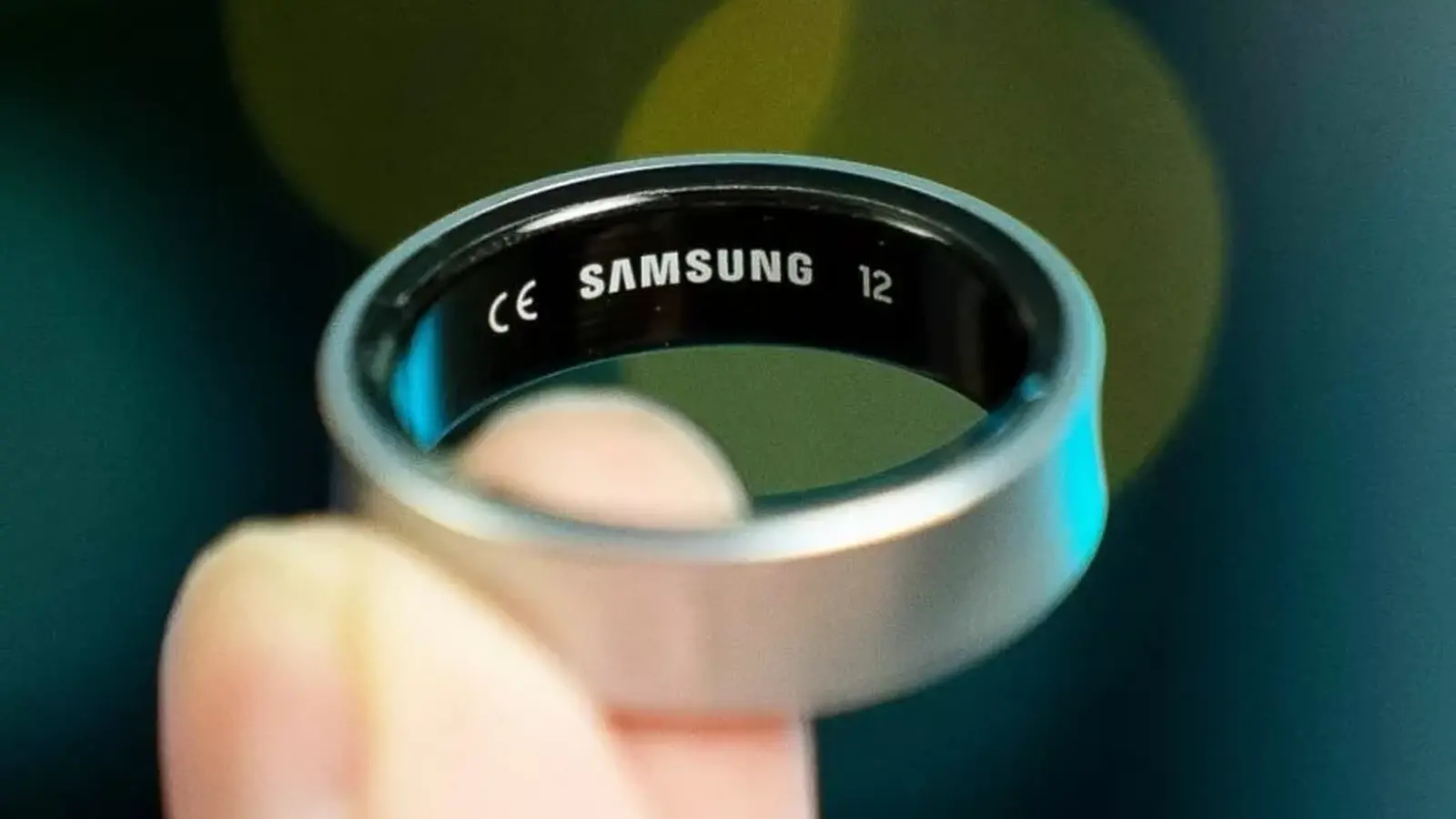
Imagine a tiny band on your finger doing what a smartwatch does — and then some. Samsung has quietly confirmed work on the Galaxy Ring 2, and the conversation around this device is less about hardware specs and more about how it will plug into the digital lives of users.
Dr. Hoon Park, Samsung’s senior vice president and head of digital health, told Forbes that the next-generation ring is under development. He framed the wearable war as a software battle: the edge will go to whichever company best weaves biometric data into a web of connected devices, from phones to watches to smart home appliances running on SmartThings. The idea is simple: sensors collect; software connects; insight emerges.
Could the Galaxy Ring 2 finally talk to iPhones? When asked directly about Apple compatibility, Dr. Park didn’t close the door. His diplomatic answer — that users will be very pleased with future news — has been read by analysts as a hint that Samsung may open the Ring to iOS, at least in some capacity. That would be a meaningful shift for a company long focused on its own ecosystem.
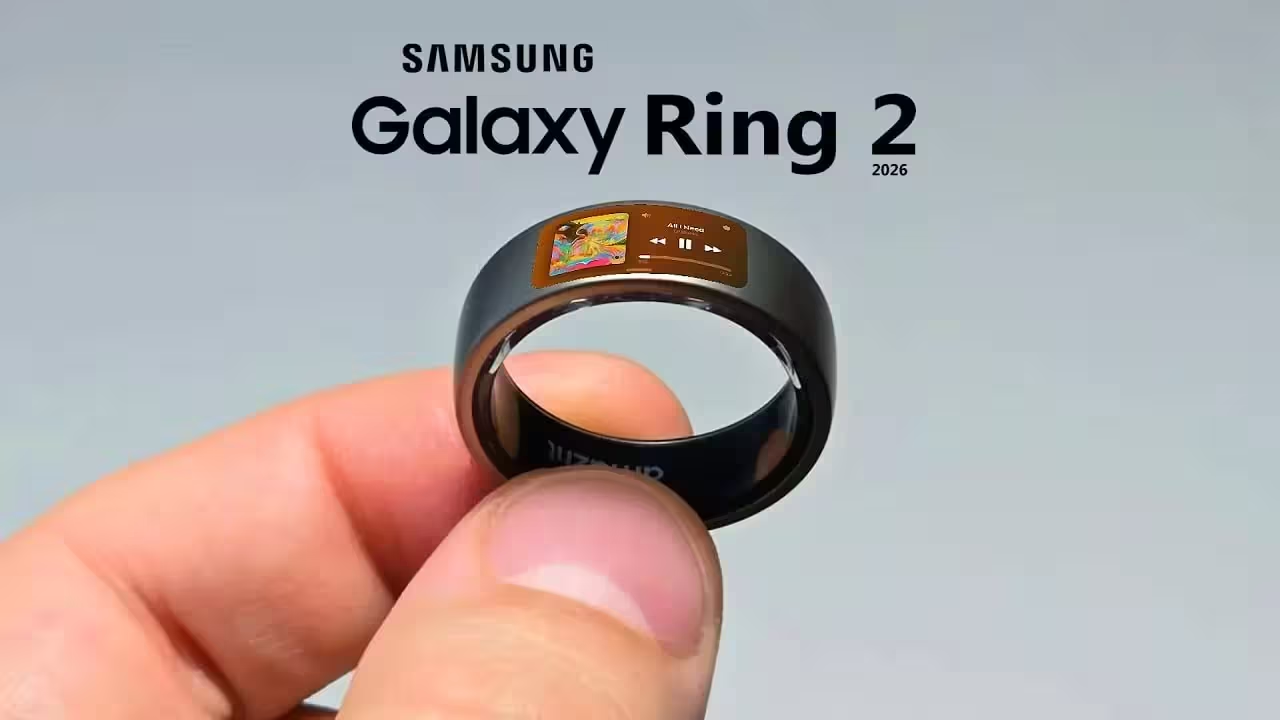
Cross-platform support would mark a notable change in strategy for Samsung’s wearable ambitions.
Official specs remain under wraps, but rumors paint a clear target: much longer battery life, a lighter, slimmer profile, and smarter sensors. Engineers are reportedly chasing nine to ten days of battery life on a single charge — a significant jump for a form factor measured in grams. At the same time, sensor redesigns aim for better skin-temperature readings and more granular cardiovascular monitoring, expanding the ring’s role from sleep and activity tracking to continuous health insights.
Samsung’s shift reads like a playbook rewrite. Instead of a raw hardware arms race, the company appears to be betting on deeper software integration across its product stack. That means biometric streams from the ring wouldn’t live in isolation; they could feed watches, phones, and even Samsung appliances to build a fuller picture of daily routines and long-term health trends.
Don’t expect a surprise debut at the next Galaxy Unpacked. Industry experts are skeptical that Samsung will unveil the Ring 2 at that event, and a launch within the current calendar year looks unlikely. Development cycles for compact wearables are unforgiving, especially when battery chemistry and miniaturized sensors are involved.
Still, the direction is clear: wearables are moving from standalone gadgets to nodes in an ecosystem. The Galaxy Ring 2, if it ships with extended battery life and broader platform support, could be the device that nudges that transition forward — or at least forces competitors to answer.

Leave a Comment
Comments
No comments yet. Be the first.