
3 Minutes
Inside the iPhone 18 Pro Modem Split and New Camera
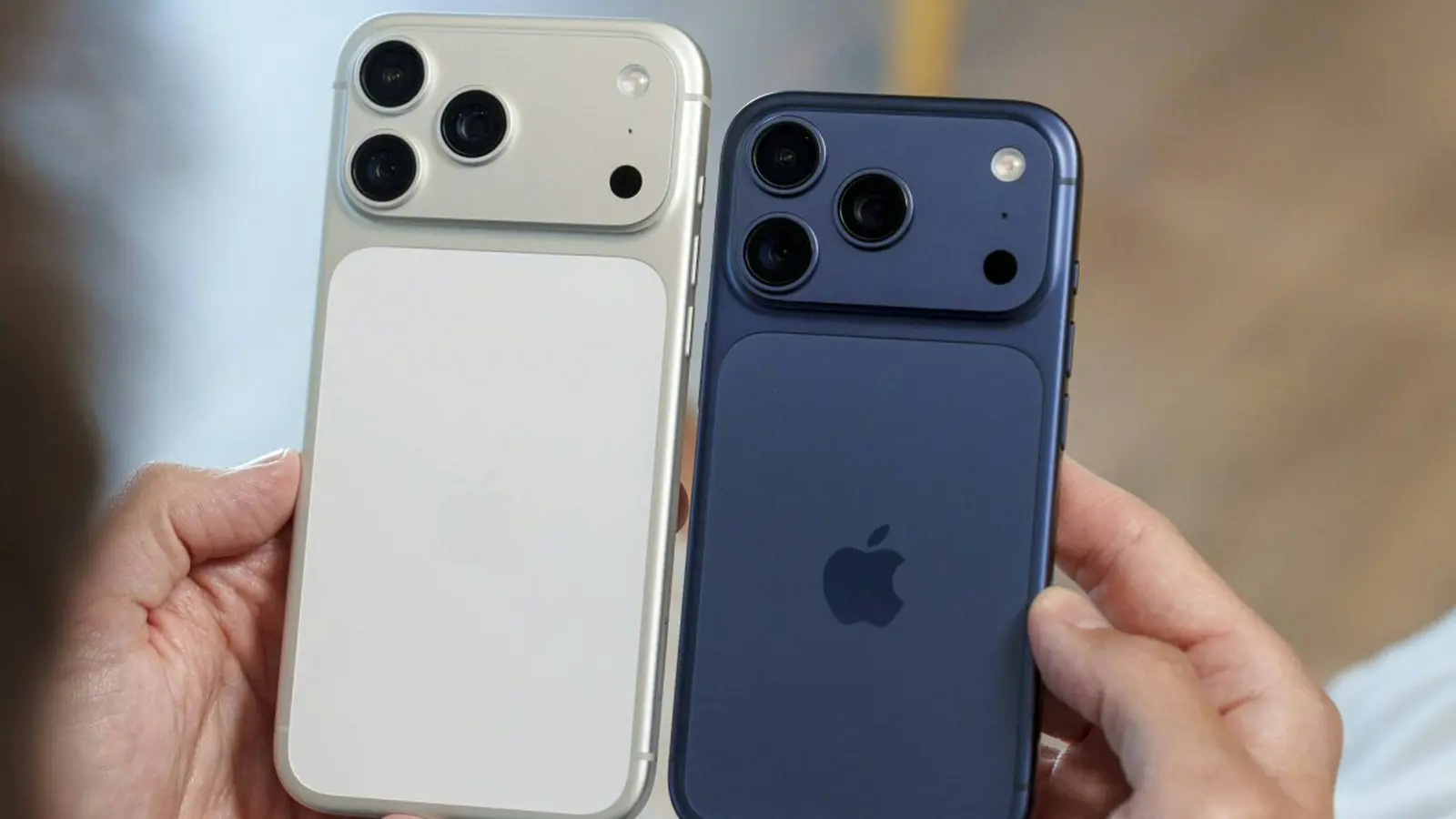
Leaks lifted from schematics and internal documents — apparently stolen from Apple supplier Tata in a cyberattack — paint a picture of a handset generation that’s oddly split at the silicon level. Expect two different modem stories depending on where you buy the phone.
Short version: U.S. Pro models will keep Qualcomm chips because they handle mmWave 5G. Everywhere else, Apple appears set to ship Pro models with its own C2 modem. Why the divergence? Because Apple’s in-house modems still don’t support mmWave, and in the U.S. that slice of 5G is critical for certain carriers and dense urban coverage.

Apple will use Qualcomm modems for U.S. iPhone 18 Pro models and its C2 modem for international units.
This strategy echoes the current lineup where Apple mixes modem suppliers: some iPhone 17 variants and the iPhone Air already run Apple silicon, while flagship 17 models used Qualcomm. What’s new is the sharper regional split and the operational headaches that come with it — different radio firmware, carrier certifications, and validation matrices that multiply testing time. It isn’t just paperwork; antennas, thermal tuning, and power profiles often need recalibration when a different modem sits on the logic board.
There’s another notable regional tweak: the leaked files suggest the iPhone 18 Pro and Pro Max may gain eSIM support in China. For years Apple has sold dual-physical-SIM iPhones there, avoiding eSIM entirely. If true, that would be a pragmatic nod to evolving carrier readiness in China as well as a step toward simplifying manufacturing variants — but it also means China’s regulatory and carrier worlds had to be negotiated.
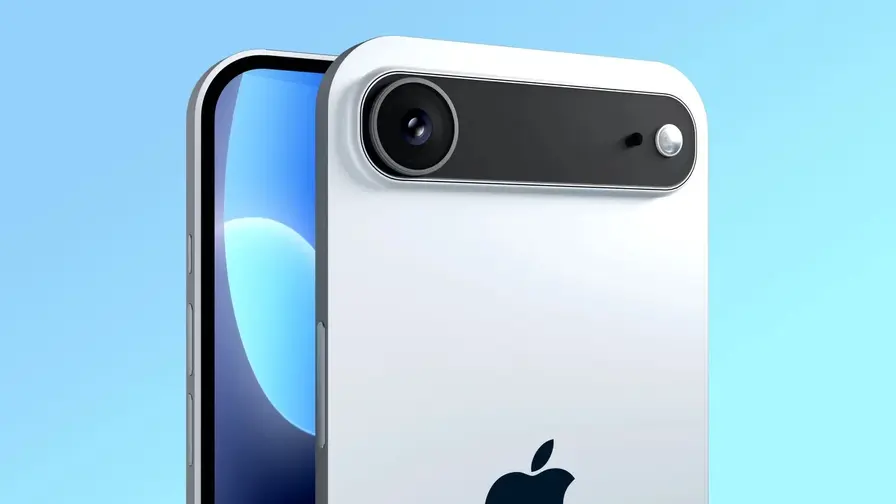
The camera side of the leak is sharper. Schema IDs in the documents point to a new image sensor — listed as 0x905 versus the 0x903 found in the iPhone 17 Pro. That change lines up with rumors that Apple’s Pro cameras will move to a custom Sony IMX905 sensor, and to whispers about a variable-aperture main camera on the Pro models. In short: expect hardware that can squeeze more light control out of the main shooter, not merely software tricks.
So what does this mean for buyers? Performance could differ subtly by region. An iPhone bought in New York might behave differently on some networks than the same model purchased in Berlin, simply because the radios inside are not identical. For Apple, managing a split-supplier strategy is costly and complex, but it’s also pragmatic: keep delivering premium U.S. 5G experiences while accelerating the roll of its own modem design globally.
Supply chains and carrier testing will tell the rest of the story over the coming months, but one thing is clear — Apple’s transition to self-made modems is advancing, just not on a single, neat timeline.
Will that phased approach satisfy users who prize consistency over cutting-edge network features? Time — and a few firmware updates — will decide.




Leave a Comment
Comments
No comments yet. Be the first.