
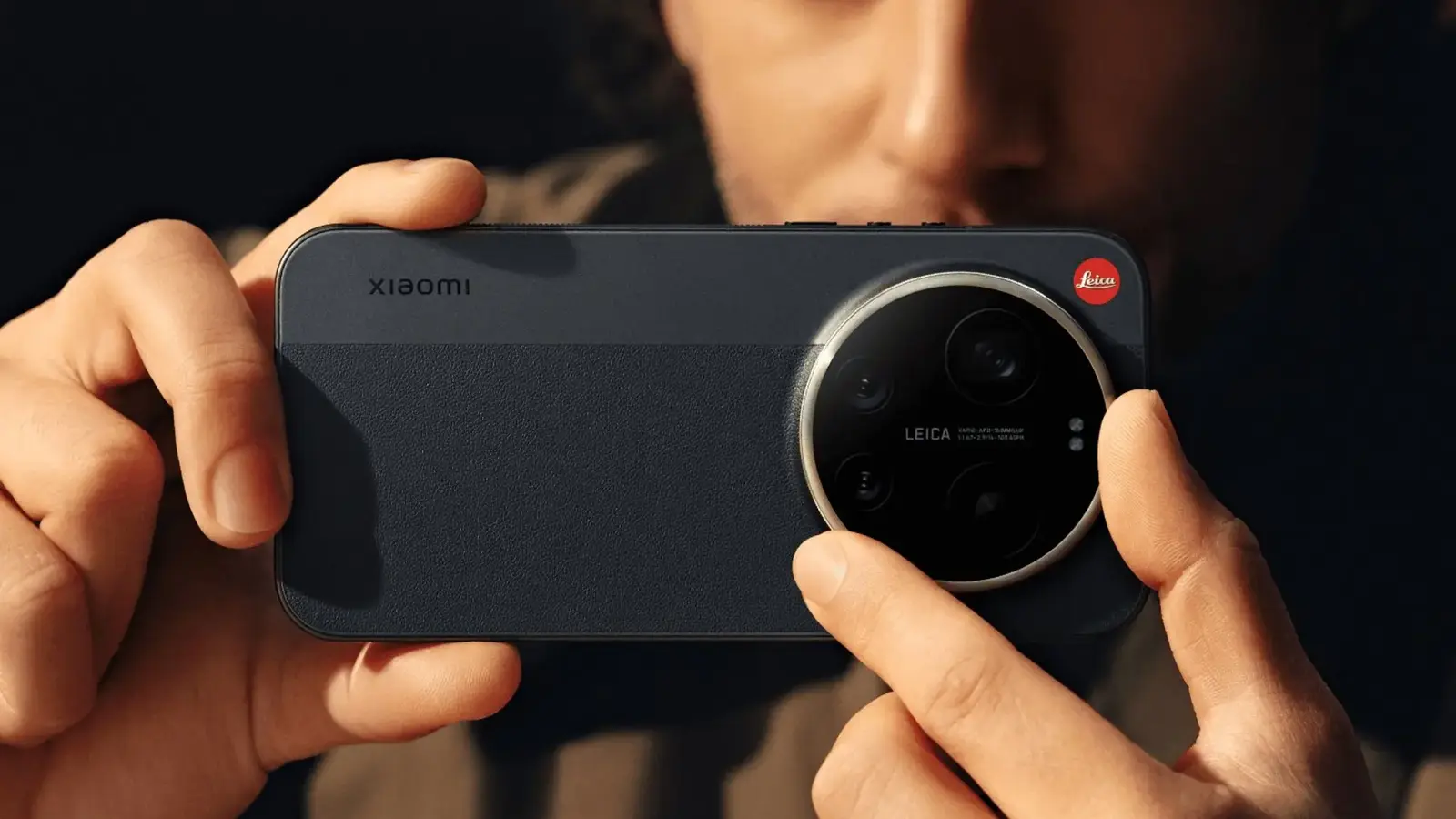
Point your phone at an eclipse and expect a bright disc. What if that disc suddenly wore lunar craters?
That is exactly what several photographers and reviewers noticed when the Xiaomi 17 Ultra captured images during the recent August solar eclipse. French site Frandroid ran a camera shootout using solar filters and found something odd: photos taken by the 17 Ultra showed surface-like details on the sun that looked uncannily lunar.
Xiaomi has confirmed that the 17 Ultra supports a Supermoon shooting mode — a feature designed to recognize the moon at high zoom and apply tailored processing to bring out its fine features. According to Frandroid’s tests, the mode can kick in automatically once zoom reaches around 20x, though users can turn it off if they wish.
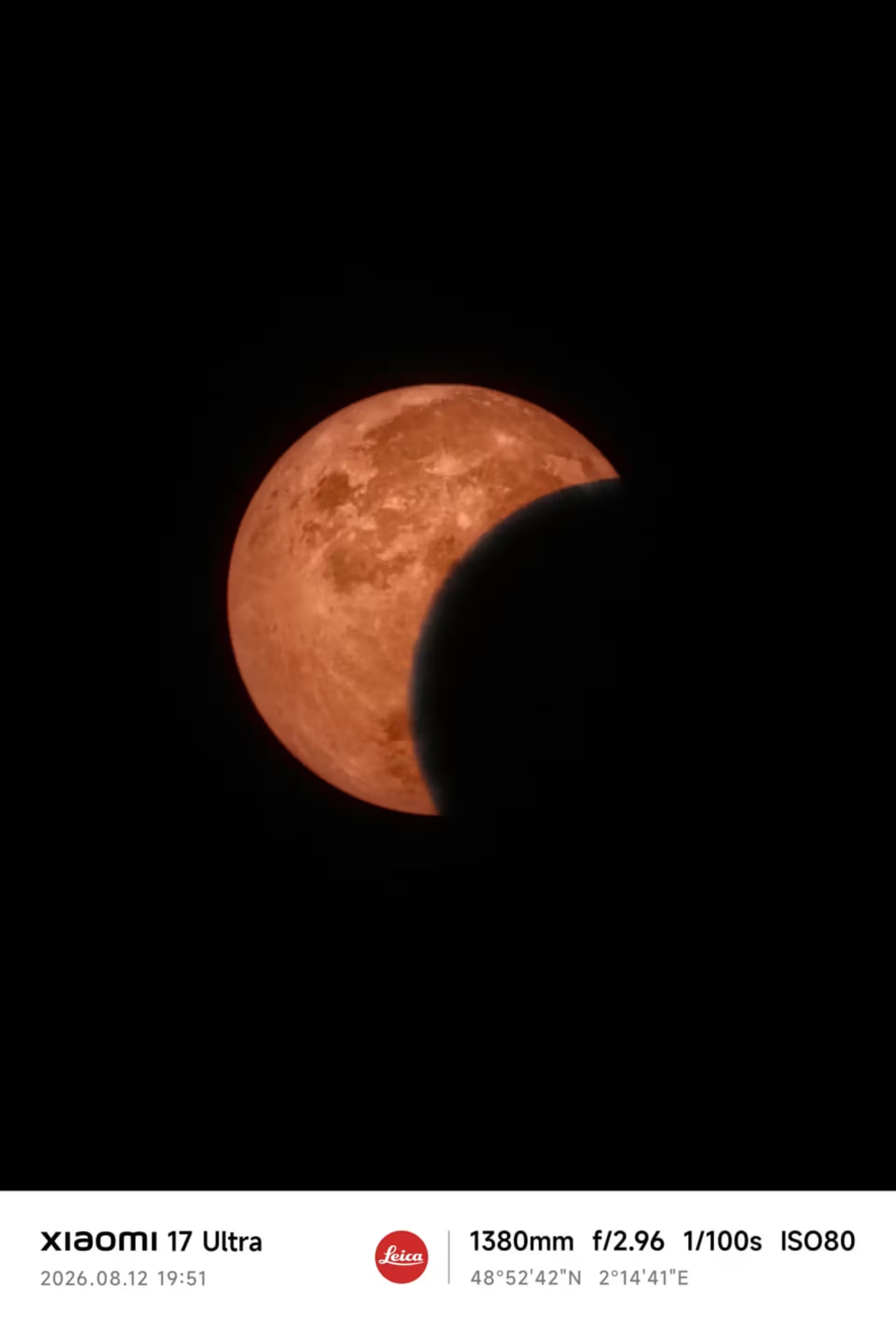
So what went wrong? The simplest explanation is a mistaken identity inside the phone’s imaging pipeline. The camera’s algorithms appear to have classified the sun as the moon and then applied Supermoon’s reconstruction routines. The result: generated texture and detail that were not present in the real scene. That doesn’t necessarily mean the phone pasted a stock moon image onto the photo. It’s more accurate to call it an overzealous image reconstruction — a processing artefact born from computational photography trying to be helpful.
Users who disabled Supermoon report different, more faithful results, which supports the misclassification theory. Still, forensic proof that the phone injected an external lunar image isn’t available; what we can see is a clear example of how automated enhancement can diverge from raw capture under unusual conditions.

This episode feeds a long-running argument about where the line sits between creative enhancement and misleading fabrication. Modern flagship cameras lean heavily on computation: denoising, sharpening, and scene-aware boosts are standard. Those techniques usually improve everyday shots. But in edge cases like astronomical photography — where fidelity to a distant, scientific subject matters — algorithmic imagination can betray reality.
Manufacturers will say modes like Supermoon are conveniences that help casual users get nicer pictures of the night sky. Critics will ask whether those conveniences become a liability when software invents detail. The Xiaomi 17 Ultra’s solar eclipse photos are a reminder that as phones get smarter, photographers must stay in control of the camera’s thinking.
Would you trust a phone’s interpretation of the heavens, or reach for manual control and a dedicated rig? The choice matters more than it seems.

Leave a Comment
Comments
No comments yet. Be the first.