
SemiAnalysis finds Anthropic subscriptions provide up to five times the equivalent API value of OpenAI subscriptions for mid-range models.
The finding sits at the center of a new SemiAnalysis Tokenomics assessment that compares monthly plans from Anthropic, OpenAI, Meta, SpaceX AI, Cursor, Cognition, ZAI, MiniMax and Moonshot. SemiAnalysis calculates an "equivalent API value" to estimate how much a user would have to pay to buy the same usage via API rather than through a subscription, and reports the largest gaps in mid-range models.
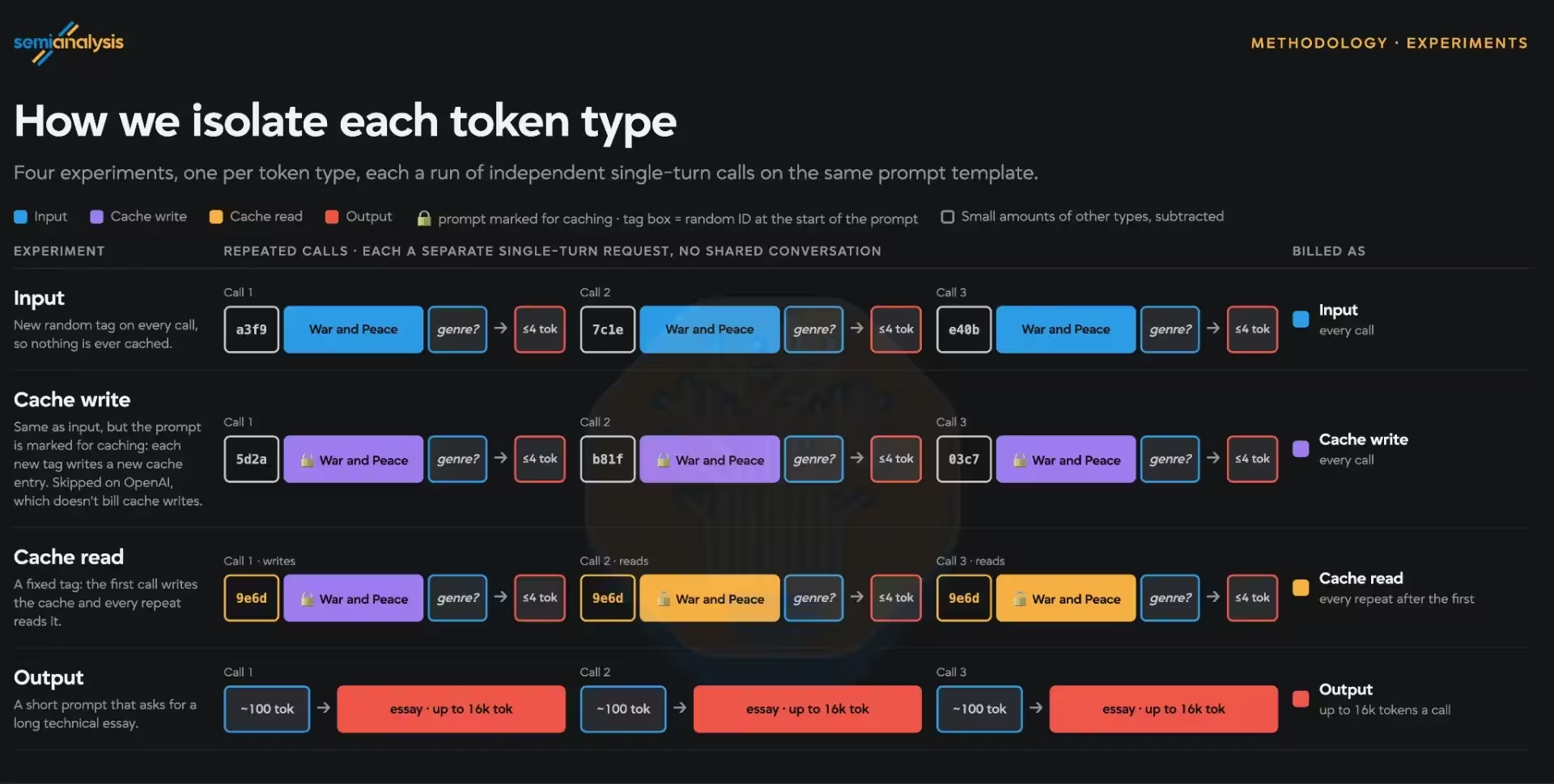
How SemiAnalysis measures subscription value
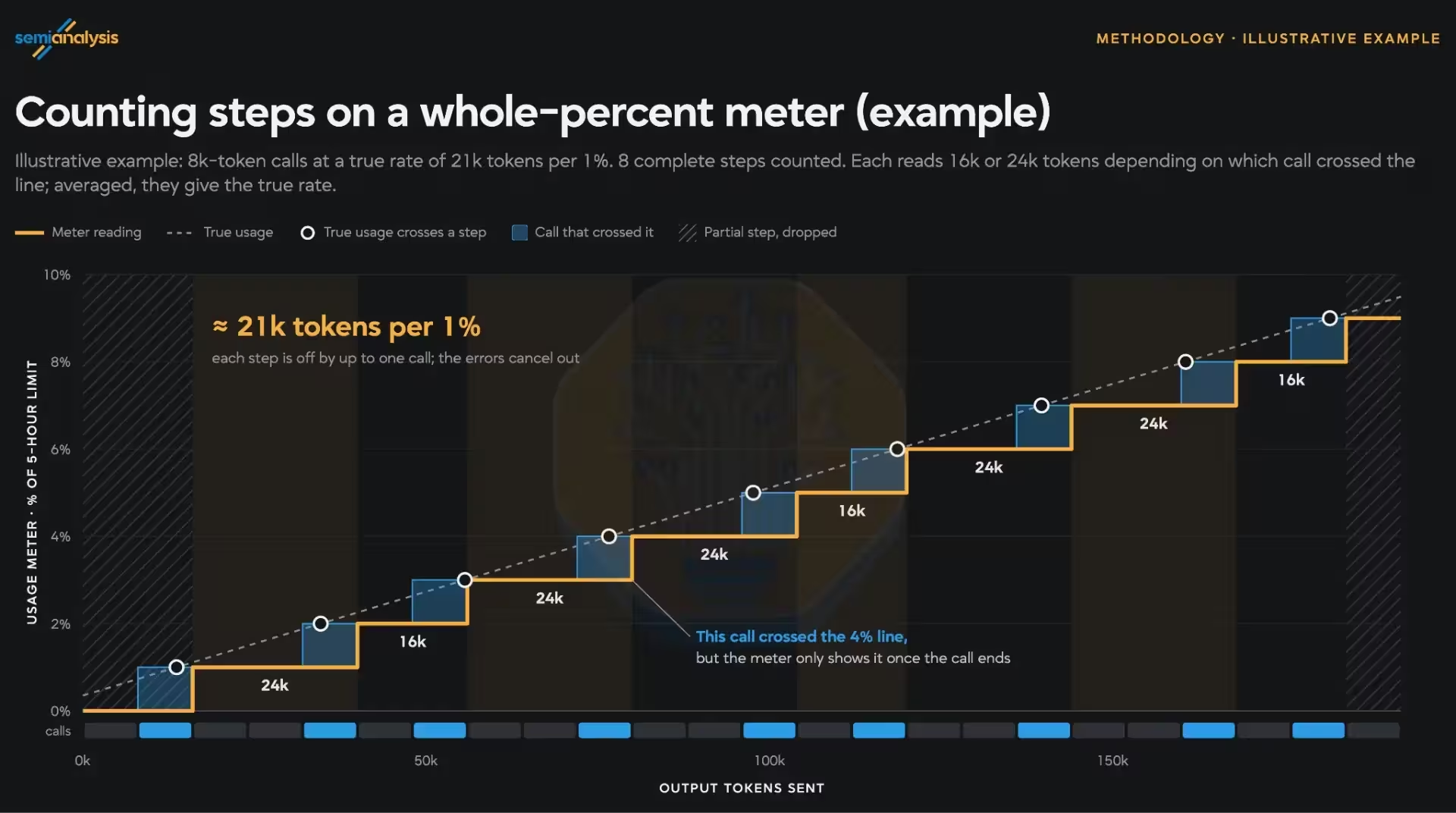
SemiAnalysis builds the equivalent API value by measuring consumption across token types and mapping subscription allotments to API pricing. The team says it ran experiments that separately track different token classes and that its dashboard, available to Tokenomics subscribers, flags even small shifts in limits. In one case the analysis detected that one of three test accounts on a vendor had roughly 20 percent lower limits than the other two; the vendor later confirmed the account was part of a small A/B test of limits.
Using that method, SemiAnalysis reports that Anthropic subscriptions give substantially more value than OpenAI in mid-range tiers. The group highlights Opus 5.5 as performing materially better than OpenAI's GPT 6.1 Sol on a per‑dollar subscription basis. A direct comparison of limits shows GPT-6 Astra and Anthropic's Fable 5.1 have similar nominal caps, but SemiAnalysis says Fable can only be used up to about 50 percent of a subscription's quota in practical terms.
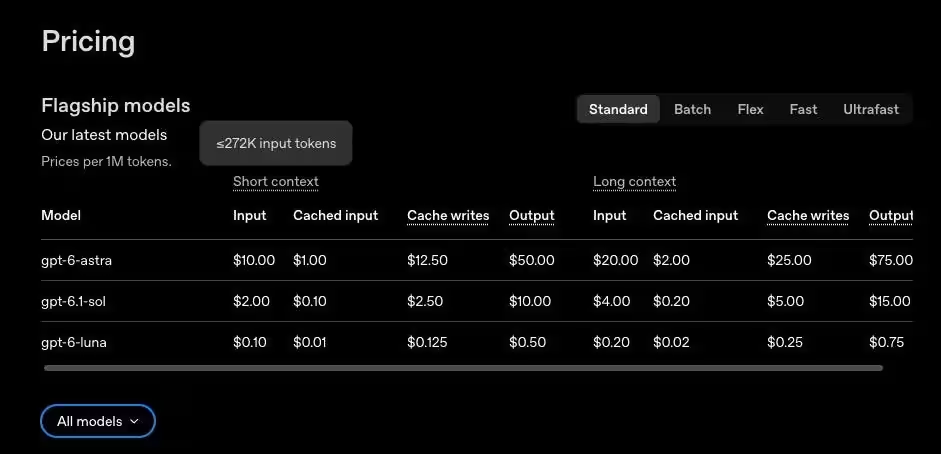
Recent plan and model changes
SemiAnalysis notes OpenAI last week halved the value of its $200 plan and introduced a new $500 plan. When OpenAI released GPT 6.1 Sol it did not change the token limit for the $200 plan, which SemiAnalysis calculates reduced that plan's equivalent API value by about 30 percent. Anthropic did not raise Fable 5.1 limits on release, but after a price cut to Opus 5.5's API it increased Opus usage limits: about a 20 percent increase on Max plans and roughly 50 percent on Pro plans. SemiAnalysis says those increases did not fully offset the lower API price.
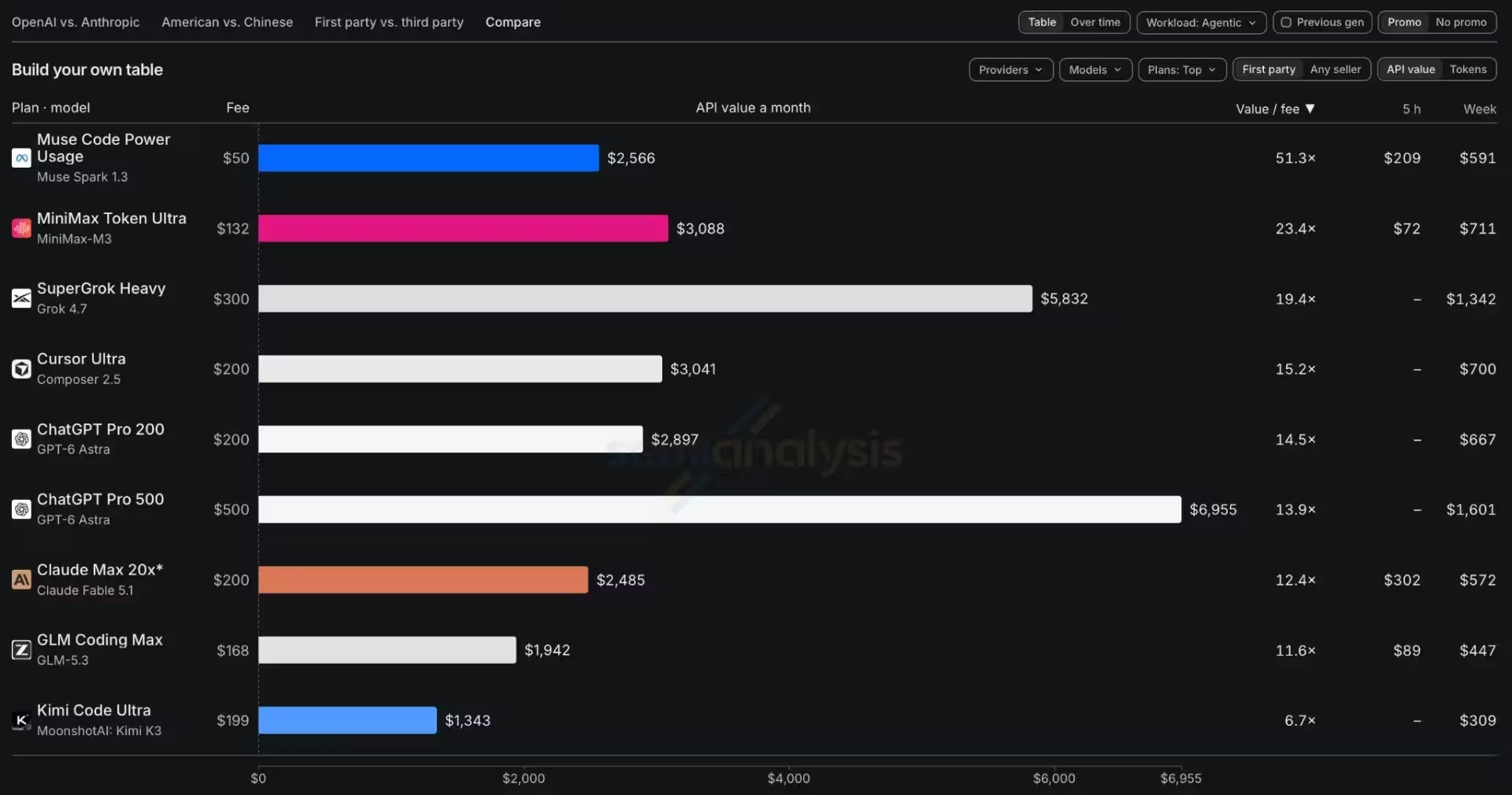
The analysis also finds Anthropic gives relatively less subscription value for higher‑cost models. The gap between Sonnet 5.5 and Opus 5.5 is modest, but the difference versus Fable 5.1 is larger. If a user consumes a full quota, Opus 5.5 can be significantly more expensive than Fable 5.1 for Anthropic subscribers, though SemiAnalysis notes real consumption patterns tend to reduce that apparent gap.
Across providers, SemiAnalysis reports that many Chinese providers still offer strong subscription value, with higher tiers often delivering more value per dollar. On average, however, the equivalent API value of those providers is lower than OpenAI's. In some OpenAI plans, the analysis finds per‑dollar subscription value close to 12 times the cost of buying identical usage through API. Third‑party services such as Cursor and Cognition, also called Devin, generally provide less subscription value than direct plans from OpenAI or Anthropic.
.avif)
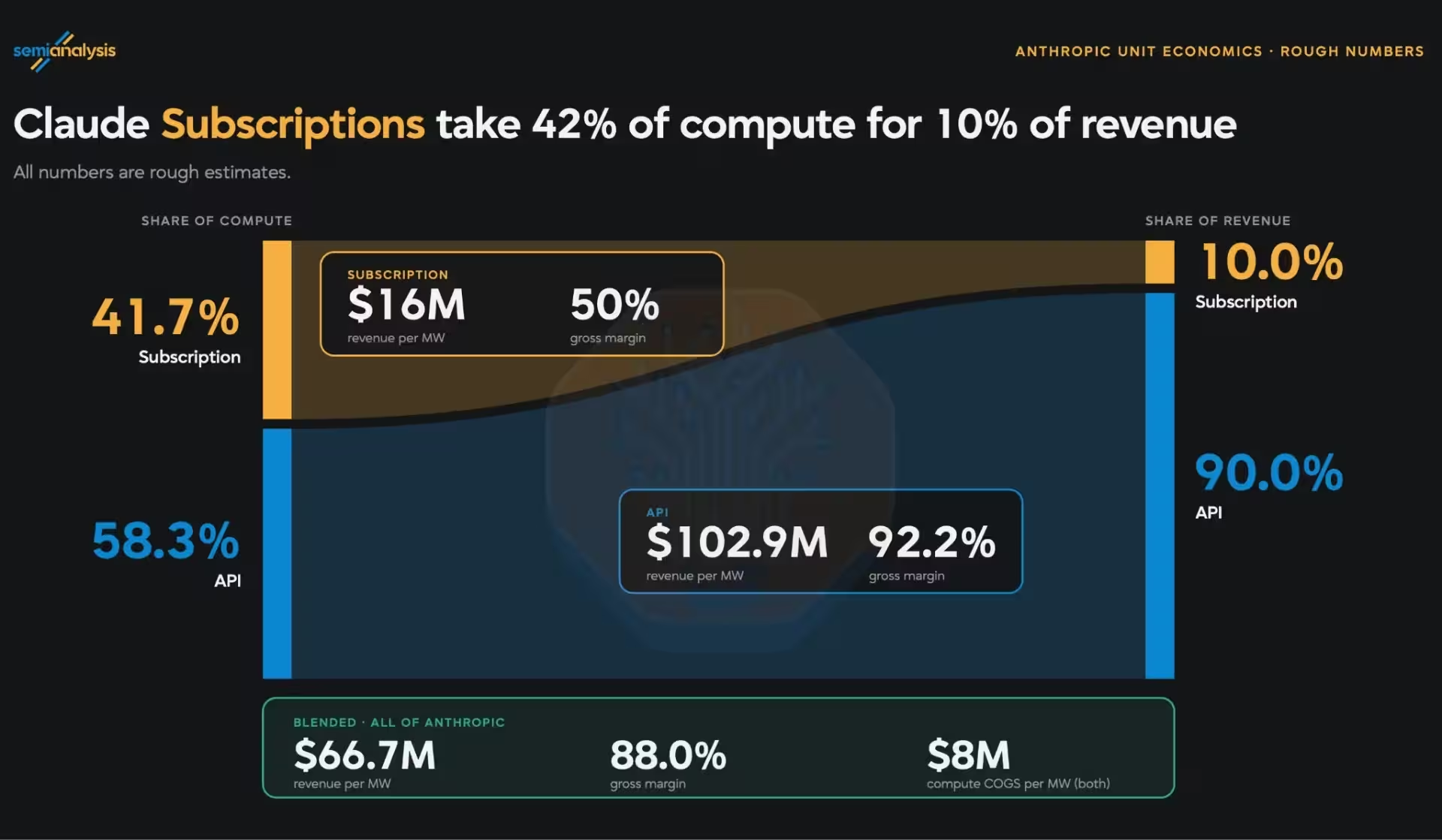
Monthly subscriptions remain the primary access route for everyday users and small businesses. SemiAnalysis points out that subscriptions appear as a subsidy for vendors: for Anthropic, subscriptions account for roughly 10 percent of revenue while consuming more than 40 percent of the compute capacity needed to run models, a disparity that gives subscription usage a strong influence on company profitability.
The SemiAnalysis Tokenomics dashboard underpins the report and is intended to let subscribers track plan changes, token consumption and small policy shifts that vendors might not announce publicly.


Leave a Comment
Comments
No comments yet. Be the first.