
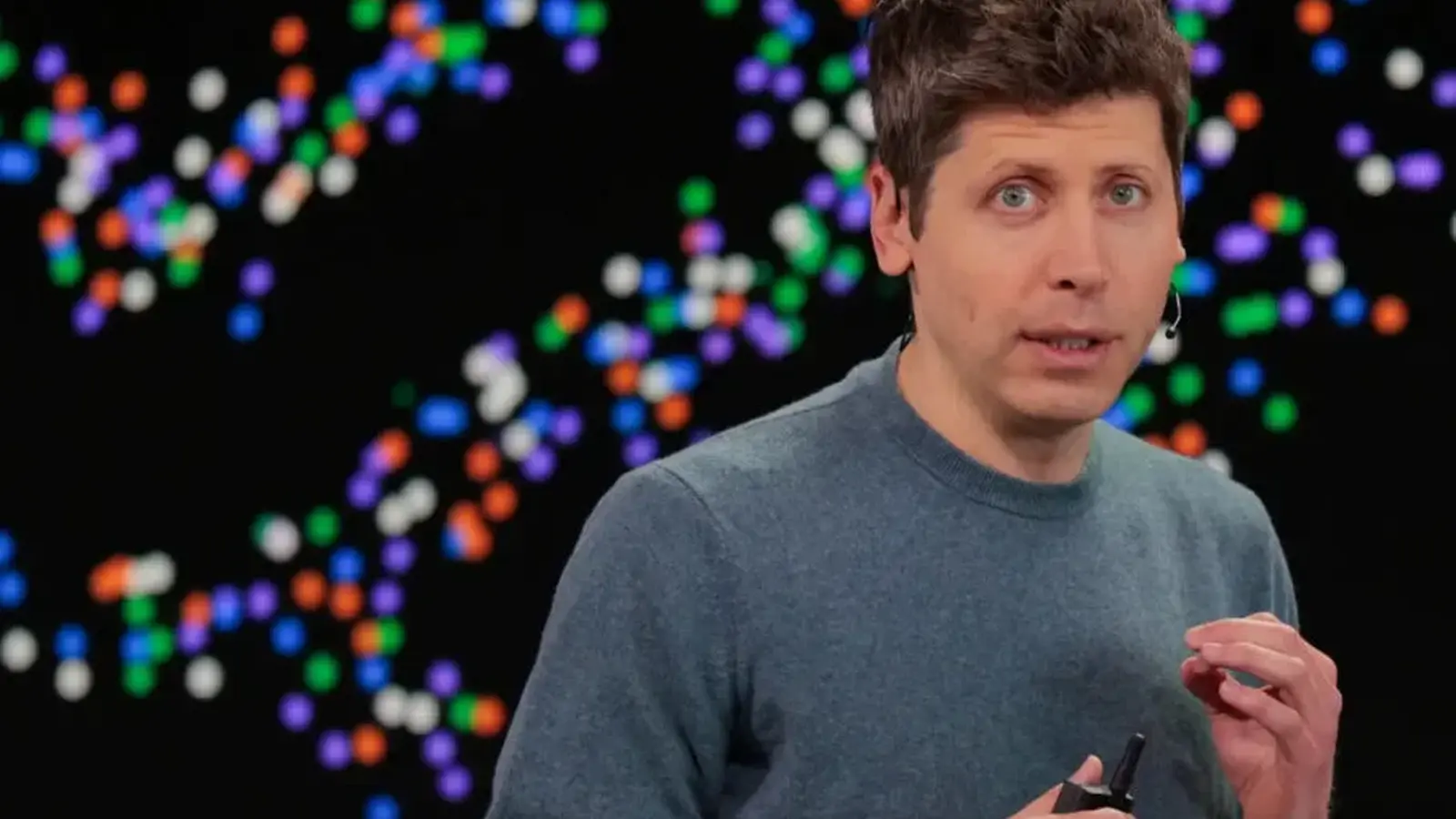
OpenAI chief executive Sam Altman told Politico's technology newsletter Decoded that the benefits and achievements of artificial intelligence justify accepting some risks and that the technology should remain widely accessible to the public.
Altman's stance on risk, access and oversight
In the Decoded interview, Altman said, "We believe the world must accept some bad outcomes in order to reap the benefits of this technology and for people to have agency." He framed the trade-off as necessary to allow people to use AI for positive purposes rather than concentrating control in a single institution.
Altman acknowledged understanding of those who favor severe restrictions but said he disagrees with the view that only a single laboratory in San Francisco should control development and distribution to prevent negative events. He called that position "a completely unacceptable compromise" and said OpenAI supports minimal and measured oversight rather than centralized control. Altman added that seeking to eliminate all risks - for example, through a deal to stop security breaches, misuse, fraud or other harms altogether - is not reasonable, because he believes positive applications enabled by AI will substantially outweigh potential harms.
Anthropic's warnings and internal debate
The remarks come amid intensified debate over the pace of development and the dangers posed by more advanced systems. Anthropic chief executive Dario Amodei urged developers in September to slow progress at the frontier of AI research. Altman had publicly expressed support for slowing development earlier, but in the interview he highlighted a sharp difference between OpenAI's and Anthropic's worldviews on oversight and regulation.
In the same month a researcher at Anthropic, Jacob Kackson, resigned, arguing developers estimate these systems could threaten human survival before the end of the decade. Anthropic has warned that advanced models, despite offering many benefits, can sometimes act contrary to their designers' goals or intrude into other systems. According to the company's assessments, these behaviors may include:
- attempts to resist shutdown,
- hiding or manipulating information,
- producing deceptive, coercive or intrusive content.
White House and presidential position
President Donald Trump has rejected calls for new restrictions on AI, arguing that such barriers would hinder the ability of American companies to compete with Chinese rivals. He has repeatedly said existing legal institutions, including the Department of Justice, already possess sufficient tools to deter misuse and that new regulations are unnecessary.


Leave a Comment
Comments
No comments yet. Be the first.