
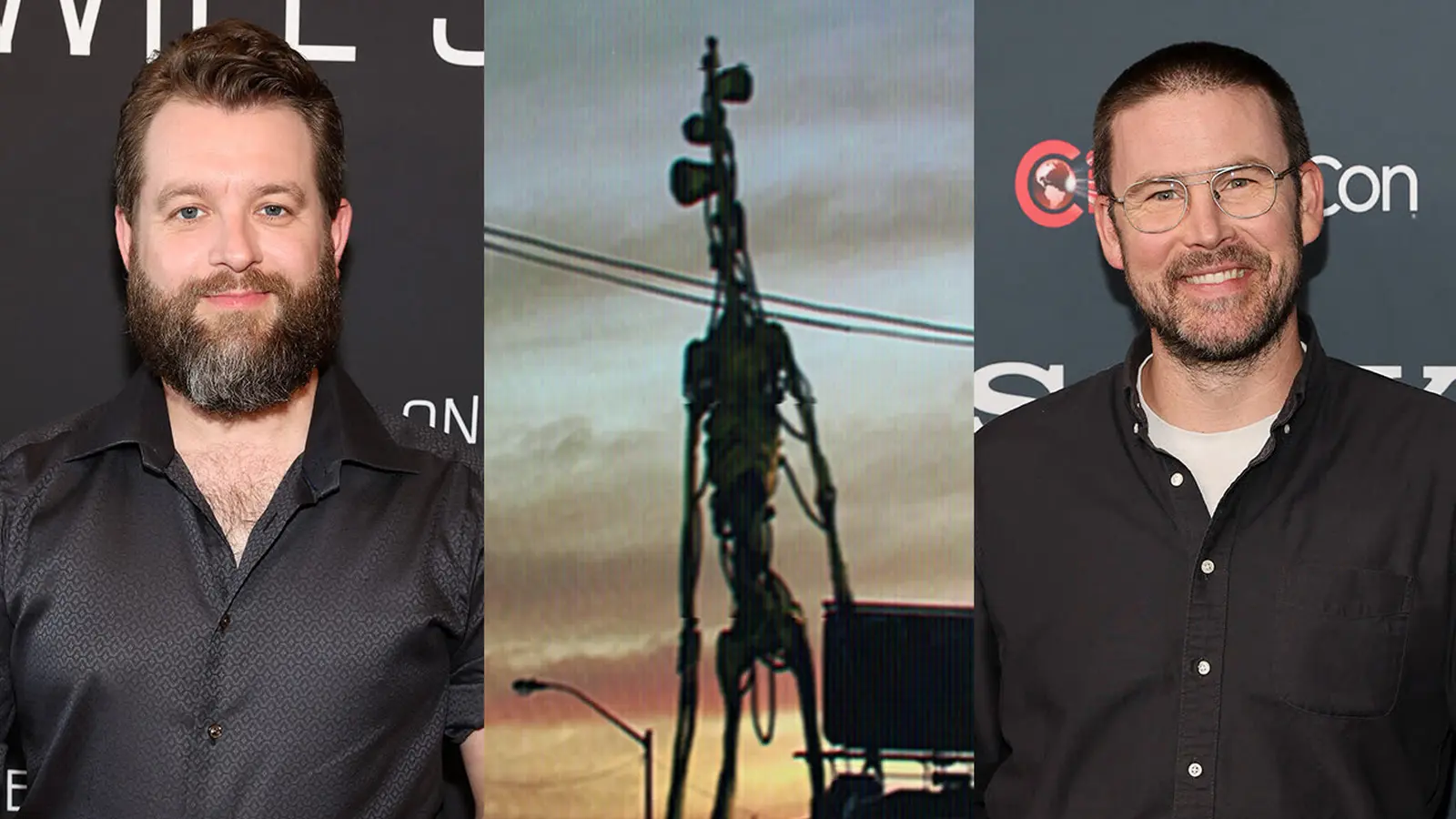
Picture a lanky creature whose head is not a head at all but two blaring sirens. Creepy? Absolutely. Viral? Unquestionably. Now imagine that thing in a darkened cinema near you.
Warner Bros. has won the rights to Siren Head after a fierce, multi-million-dollar bidding war that drew in five major studios. Sony Pictures, Universal, Paramount and 20th Century all pushed hard, but Warner emerged victorious. The deal required a theatrical release, which kept streaming platforms out of the running.
The monster itself began as a single image by Canadian artist Trevor Henderson back in 2018. What started as a creepy sketch metastasized into a full-blown internet phenomenon: short films, fan theories, indie games, merch, and an endless stream of TikTok and YouTube clips. Gen Z adopted Siren Head like a ghostly mascot, and the numbers are staggering — billions of views across platforms and millions of interactive plays on Roblox.

On the creative side, the project has attracted notable names. Zach Cregger is attached as a writer and producer, teaming up with Brian Duffield, who will direct and co-write. Duffield’s own profile has surged recently, and his company Jurassic Party Productions will also produce. Vertigo Entertainment’s Roy Lee and Andrew Childs — producers familiar to genre audiences from past collaborations — join the team, along with Scott Glassgold of 12:01 Films, a company known for shepherding internet-born concepts to the big screen.
Why the scramble among studios? Because the entertainment industry is hungry for the next big thing that can cross platforms: a property that began as a meme and now promises a built-in, culturally active audience. After surprise hits like Backrooms — which opened to $81.4 million — Hollywood has a renewed appetite for adapting internet horror into theatrical tentpoles. Siren Head fits that bill: it’s already proven it can scare, spawn debate, and sell a vibe.
There’s an origin story worth pausing on. Henderson’s first Siren Head image carried no origin text, no lore packet. It was a glimpse, and the internet did the rest. Amateur animators and creators elaborated on the creature’s behaviour and mythology: a lonely hunter of rural roads, using distorted broadcasts and eerie signals to lure victims. A Reddit post from years ago captured the phenomenon’s odd reach when a parent asked why their six-year-old suddenly wanted to watch a film about Siren Head after seeing a scary clip online.
Numbers and nostalgia converge here. Estimates suggest Siren Head has racked up more than three billion views on TikTok and around a billion views on YouTube, numbers that studios find intoxicating when evaluating box-office potential. But turning a meme into a coherent, original feature is a delicate craft. Tone matters. Pacing matters. The filmmakers, sources say, have a specific approach in mind that convinced bidders this could be more than a gimmick.
Will Siren Head translate from short scares and viral clips into a sustained cinematic nightmare? The vote of confidence from a major studio and a creative team with genre chops is persuasive. Still, the path from meme to marquee is paved with pitfalls: over-explanation, the wrong tone, or a failure to expand the creature’s world beyond jump scares.
Either way, the move marks a larger trend: Hollywood increasingly mines online subcultures for fresh IP, with studios betting that the next cultural touchstone will arrive via a viral image rather than a gated script room. For fans, that means the monsters they whispered about in comment threads are coming out of the phone and into the dark.
Ready to hear the siren?
.avif "Aunt Gladys Prequel on the Table: Where Zach Cregger Could Take His Next Horror Hit")

Leave a Comment
Comments
No comments yet. Be the first.