
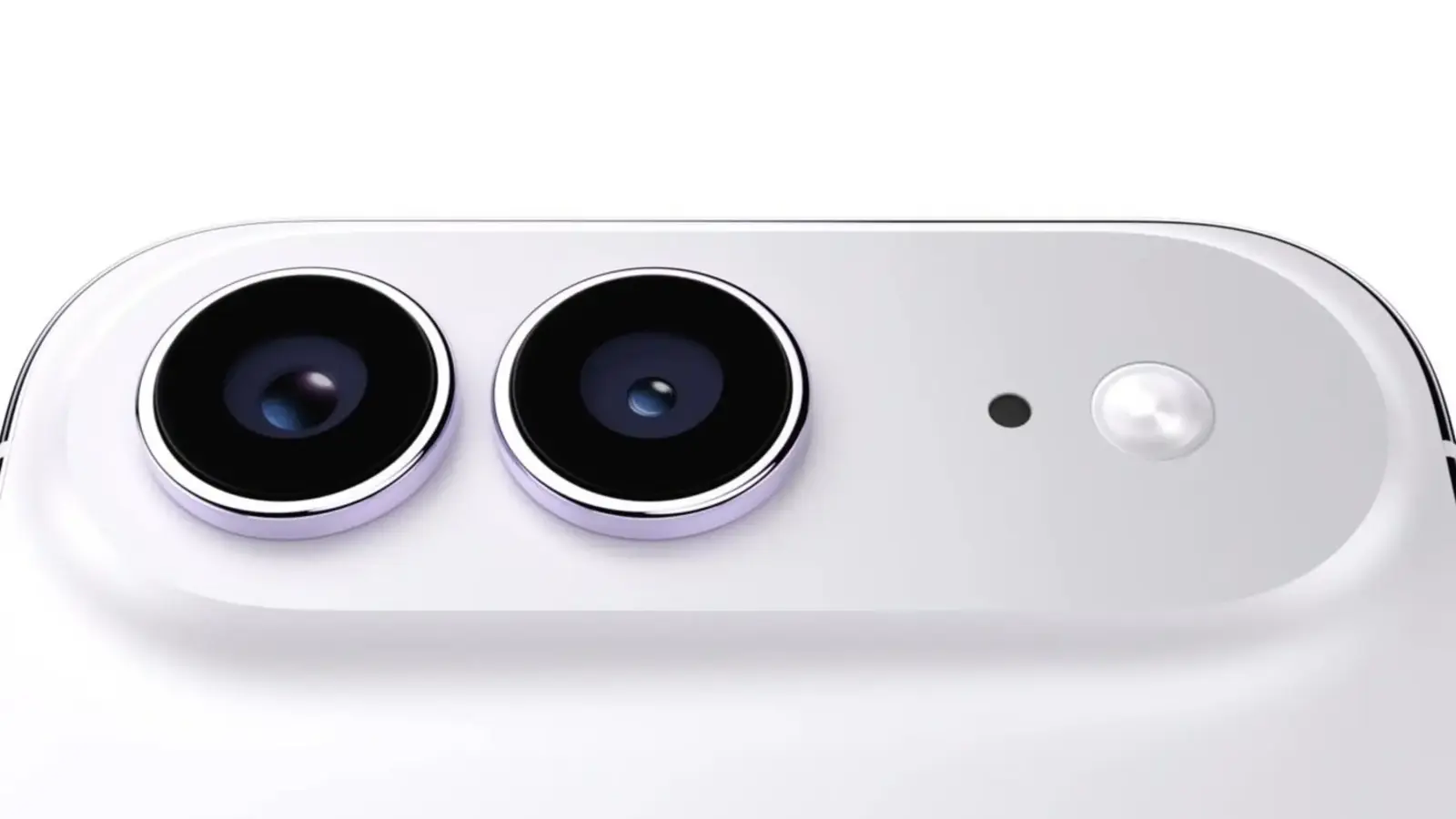
Apple once branded a phone “Air” and made deliberate sacrifices for the sake of thinness: slimmer battery, a pared-down camera system, a chassis that looked elegant but demanded trade-offs. The rumor mill says the follow-up will try to reclaim some of that lost ground without losing the slender silhouette.
Several reliable leaks point to a redesigned iPhone Air that keeps its eye-catching titanium frame while adopting a smaller Dynamic Island and a tighter Face ID module. The smaller cutout is a subtle move, but one with outsized visual impact: more usable screen, fewer distractions. That’s the sort of refinement Apple favors — small changes that feel premium.

Under the hood, talk of an A20 Pro chip suggests a healthy jump in performance. Faster CPU cores, improved neural engines, better power efficiency — these are things users notice in everyday tasks even if they don’t benchmark them. If Apple pairs that silicon with optimized thermal engineering inside the thin body, the Air could finally deliver flagship snappiness without sounding like a hotplate.

Camera upgrades are the headlines here. The new Air is rumored to adopt two 48MP rear sensors: a main shooter and an ultra-wide. Two big sensors can solve a lot of complaints about the previous model—better low-light shots, richer detail, and more flexible cropping. But before you celebrate, ask the obvious question: where’s the telephoto? For many buyers paying north of $1,000, the absence of an optical zoom lens still stings.
Dual 48MP cameras would be a meaningful step up, but skipping telephoto optics risks making the new Air feel incomplete for photography enthusiasts.
Design continuity matters here. Preserving the titanium frame keeps that premium look and lighter weight compared with stainless steel, while the slimmer Dynamic Island maintains a modern aesthetic. At the same time, a thinner notch area implies Face ID components have been shrunk or reconfigured — a nice engineering feat if true, and one that could slightly widen the screen real estate without altering the display size.

Then there’s the business side of rumors: supply chains are messy. Industry chatter suggests a global RAM shortage could nudge Apple to raise the price of the next Air by roughly $100 to $200. That’s not trivial. A higher sticker price changes the product’s positioning and the calculus for buyers weighing the Air against other iPhones or premium Android alternatives.
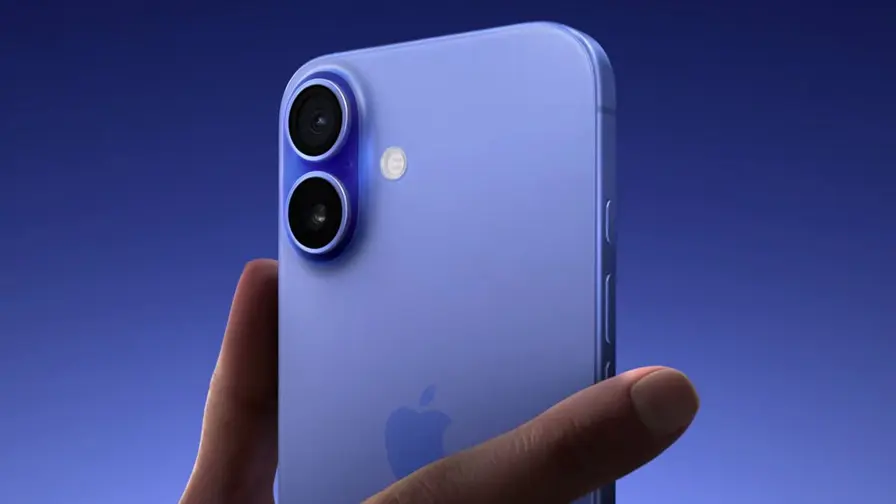
So what are we left with? A thinner, sleeker iPhone Air that borrows flagship trappings — titanium, stronger silicon, two 48MP sensors — but still makes a compromise on zoom capability. Is that a clever middle ground, or a half-measure for buyers who expect any four-figure phone to excel at photography? The answer will depend on how much value you place on design and daily performance versus full camera versatility. Keep an eye on the next wave of leaks; they’ll tell us whether Apple has struck a new balance or merely rearranged the trade-offs.

Leave a Comment
Comments
No comments yet. Be the first.