
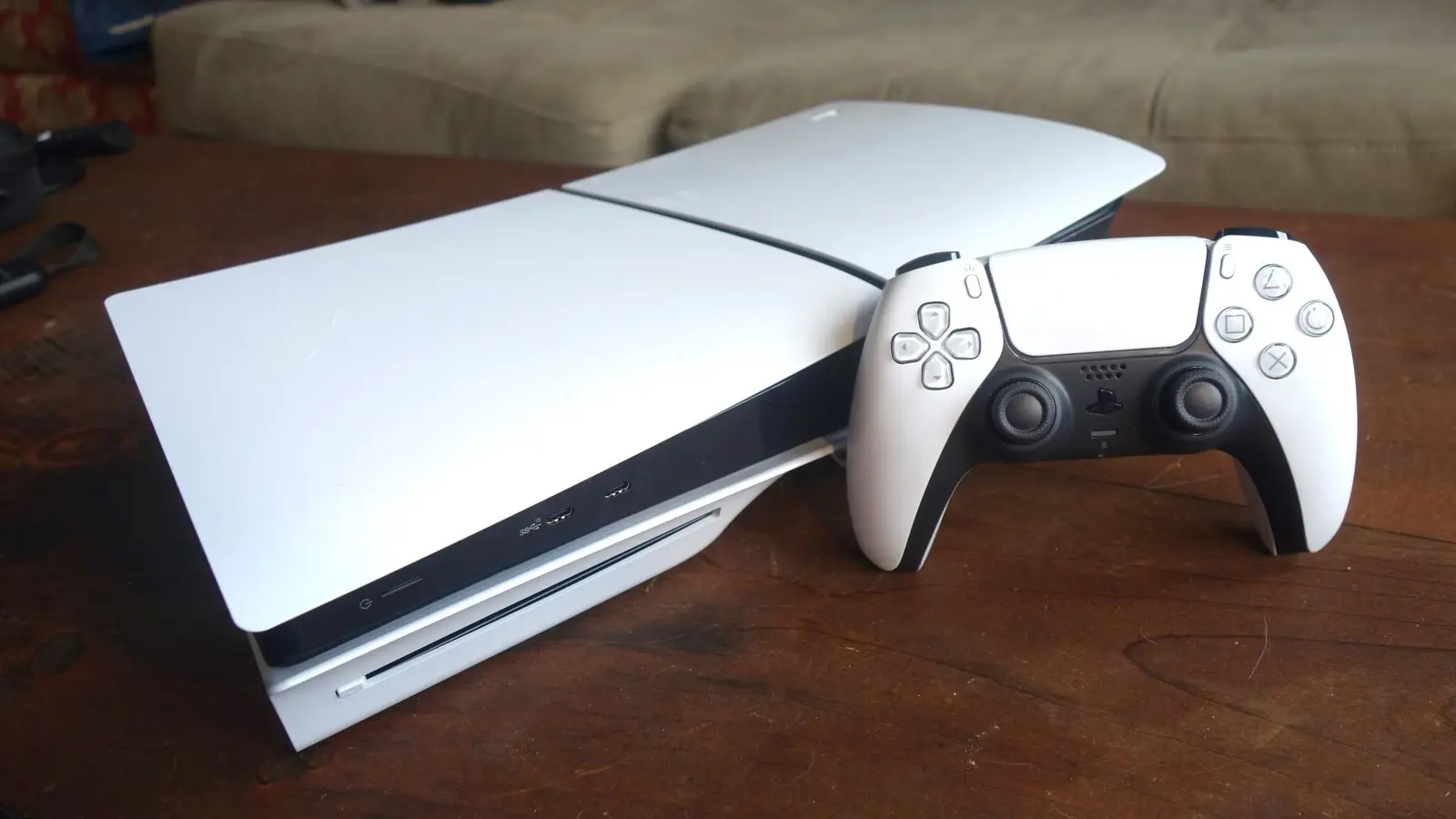
When Sony announced it would stop shipping new PlayStation 5 games on physical discs from January 2028, a surprising ripple ran through the gaming community. Searches for PS5 jailbreaks and piracy-related terms spiked almost overnight. People who never considered tinkering with a console suddenly started asking: what now?
The technical picture is blunt. The jailbreak relies on a hardware vulnerability that lets attackers inject custom code into the machine. That code bypasses Sony’s built-in protections and allows the console to run unsigned software — programs and tools the system ordinarily refuses to accept. It isn’t a magic bullet. The exploit mainly works on PS5 units with older firmware and requires a level of hands-on technical effort many users shy away from.
There’s also a legal and ethical tangle. Modding a console isn’t inherently illegal in many jurisdictions, but running pirated copies of current-gen games almost always crosses a copyright line. Some disgruntled customers point out a related grievance: digital storefronts can remove content from users’ libraries without warning. Sony’s recent unilateral removal of more than 550 films and TV shows from some accounts has become a rallying example for those who argue that owning digital purchases is weaker than owning a disc.

Despite the headlines, Sony isn’t panicking. The company’s defenses still limit the real-world spread of the exploit. Systems that have been updated to newer firmware are safe from this particular attack. And even when a jailbreak installs successfully, it carries heavy costs: consoles modified this way are blocked from PlayStation Network, cutting off multiplayer, cloud saves, and online services. Many players who favor physical media find those trade-offs make jailbreaking a troublesome solution rather than a clean alternative. Unsigned code can be run, but you give up online functionality and risk bricking your system—hardly a free pass.
The removal of discs has rewritten the rules of ownership, and the surge in jailbreak interest is just one symptom. Some gamers will chase backups and offline freedom. Others will accept the convenience of a fully online, curated ecosystem. Either way, the debate over who really owns digital games is only getting louder.


Leave a Comment
Comments
No comments yet. Be the first.