
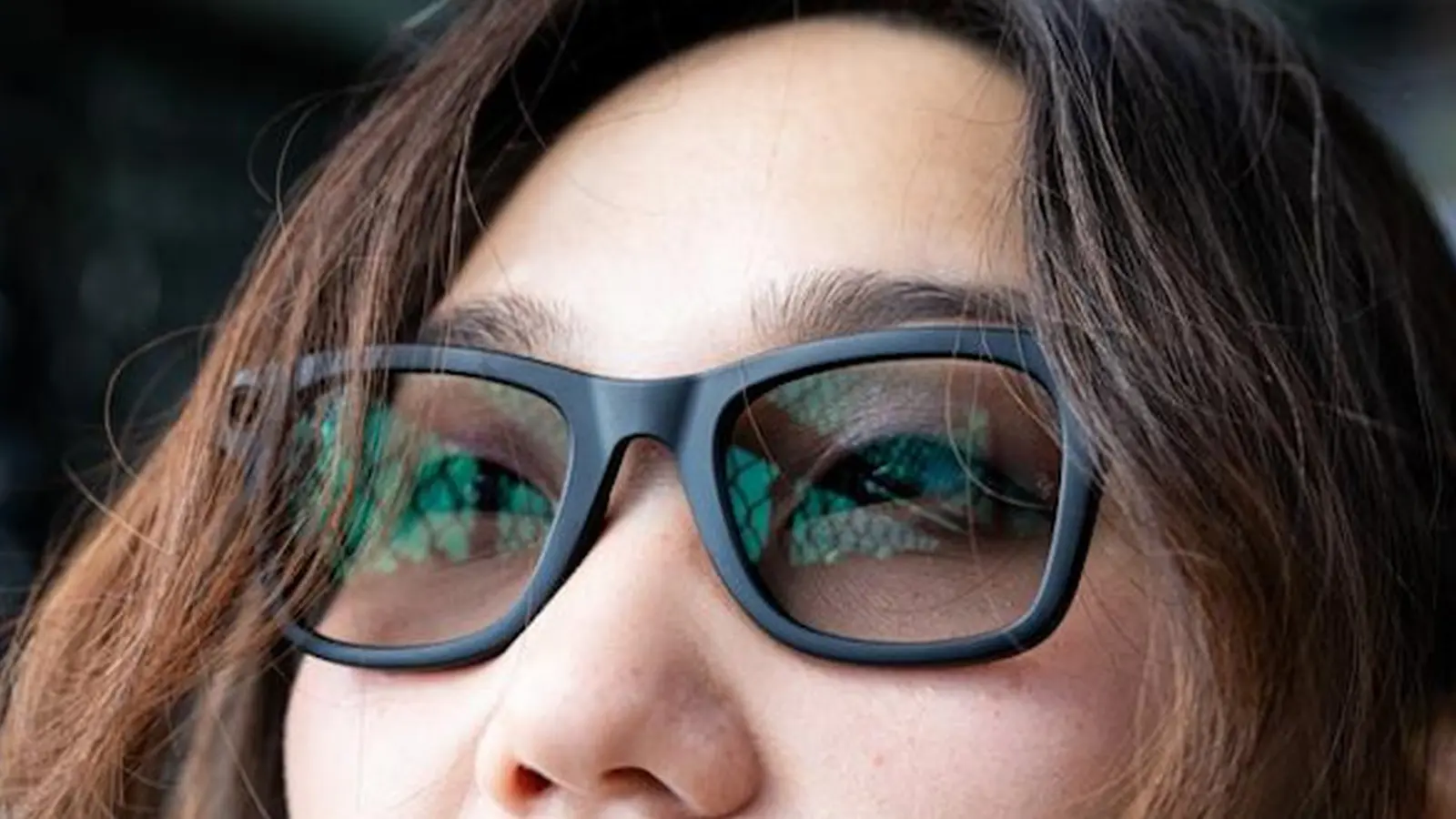
Imagine a camera that never blinks. Quiet. Constant. Always listening. That’s the idea behind Meta’s latest prototypes: smart glasses built with “super-sensing” tech that can capture continuous audio and take rapid, periodic stills so an AI can piece together what you see and hear.
These glasses don’t just shoot video. They create a stream of context. Short clips. Snippets. Metadata. The goal, according to reports, is to let Meta AI answer questions about your surroundings — from “What was that storefront called?” to “Who did I meet at the café?”
How much of what you record stays with you is another story. One proposed setup avoids saving raw footage, instead extracting metadata that’s sent to Meta’s servers for processing. In practice that might mean only descriptions, timestamps, object tags and voice summaries leave the device — not full video files. Still, even metadata can reveal a surprising amount.
Privacy is the elephant in the room. Meta has faced criticism before over wearable cameras, including reports of users recording others and allegedly tampering with indicator lights to hide that they were filming. The company says it’s introducing safeguards: if the recording indicator is disabled or altered, the glasses will shut the camera off. But during “super-sensing” mode the light may remain off by design, with the company claiming it only illuminates for explicit, active recording to avoid alarming bystanders.

That distinction — when a light glows and when it doesn’t — feels small but matters a great deal. Trust hinges on signals people can read. A faint LED. A visible red dot. Those details decide whether strangers feel watched or simply observed by a helpful device.
There’s also a commercial angle. Meta is reportedly exploring whether data captured by these devices could be used to train its AI models. In other words: the glasses might not only assist you in real time; they could help the company make smarter systems tomorrow. Whether that data trains on-device models or feeds into cloud-based training pipelines is still murky.
Mark Zuckerberg has talked about the evolution of glasses into personal assistants, a line between wearable and living memory blurring with each iteration. Expect features that surface contextual information on demand, and assistants that can answer questions about a past moment because the device remembers it for you.
And if you already own one of Meta’s smart frames? The company may roll some super-sensing features into its current line.
This is not just a new gadget; it’s a crossroads between convenience and consent.
Are we ready to accept a world where our eyewear quietly feeds an AI the fabric of our days? Or will the trade-offs in privacy and control reshape what people choose to wear in public? The next wave of smart glasses will answer that question, whether we like their reply or not.


Leave a Comment
Comments
No comments yet. Be the first.