
5 Minutes
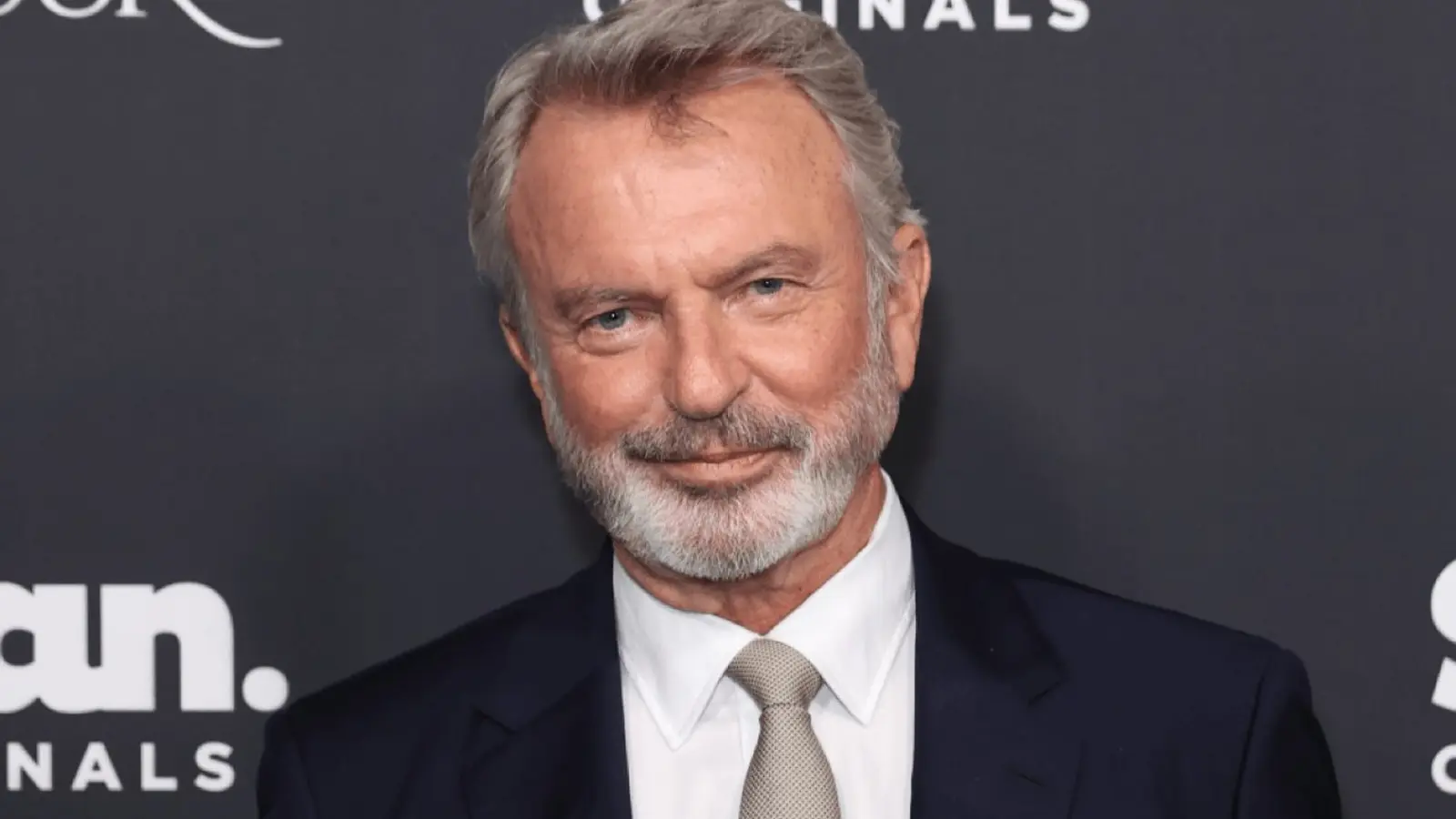
Sam Neill slipped away on July 13 in Sydney, aged 78 — quietly, surrounded by family, and with the same calm dignity that marked much of his life on and off screen. News of his death arrived wrapped in a simple request: privacy for a grieving family. The statement released on his behalf noted that his passing was sudden but peaceful, and that in the months before his death he had been declared free of cancer.
He had revealed a diagnosis of angioimmunoblastic T‑cell lymphoma after finishing Jurassic World Dominion in 2022, embarking on rounds of chemotherapy while continuing to work and to talk candidly about mortality and craft. That battle, he said in interviews, had changed him but never dimmed his curiosity about stories or his appetite for roles that surprised him.

Tributes poured in from across the film world. Screen Producers Australia praised Neill as one of the defining faces of Australasian cinema and television, a performer whose presence lifted countless local productions and helped build a distinct screen culture. Critics and colleagues remembered him not only for marquee roles, but for the slipperiness of his craft — a talent capable of shifting from luminous restraint to disarming humor in a single glance.

He was born Nigel John Dermot Neill in Omagh, Northern Ireland, and arrived in New Zealand as a child, where he grew into the actor the world would come to know as Sam. He began on stage and in early New Zealand television, then moved into features with Sleeping Dogs in 1977 — a film often cited as one of the first to show New Zealand cinema could hold its own on a global screen.
What followed was a career that kept surprising people. In the early 1980s he crossed into Hollywood with roles that ranged from Omen III to the haunting Possession, and he earned notice on television for the 12‑part Reilly: Ace of Spies. The 1980s also saw memorable pairings with Meryl Streep in Plenty and A Cry in the Dark, and a nerve‑tingling turn opposite Nicole Kidman in Dead Calm.

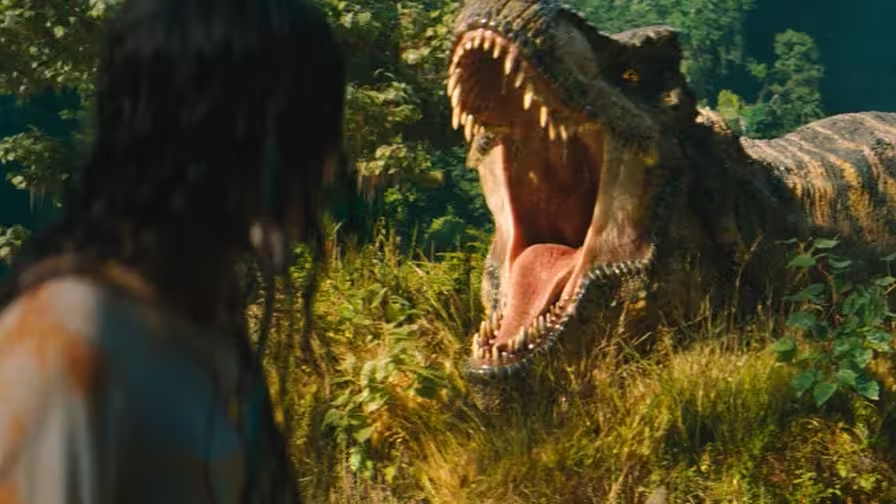
1993 changed everything. He appeared in Jane Campion’s The Piano — a film that solidified his standing among serious filmmakers — then stepped into Dr. Alan Grant, the no‑nonsense paleontologist at the heart of Steven Spielberg’s Jurassic Park. The movie exploded into a global phenomenon and Neill’s quiet, grounded performance became emblematic of the film’s tether to human emotion amid the spectacle. He returned to the role in Jurassic Park III (2001) and again decades later in Jurassic World Dominion, carrying a character that audiences had come to trust.


Neill often described returning to Grant as something oddly intimate: like slipping on a familiar, well‑worn pair of boots. Comfortable. Reliable. Ready. That image stuck. It said a great deal about how he approached his work — with affection for a role’s history and an ease that made even blockbusters feel lived‑in.
Outside the park of genetically engineered dinosaurs, Neill’s filmography is a map of eclectic choices: The Hunt for Red October, John Carpenter’s humors and horrors, Wim Wenders’ expansive vision in Until the End of the World, and the deeply human notes of The Horse Whisperer. He made a tender, comic masterpiece with Taika Waititi in Hunt for the Wilderpeople, playing a gruff uncle with surprising heart. He also returned to small‑screen prestige, earning Emmy and Golden Globe attention for projects such as Merlin and other miniseries.

Neill never abandoned his connection to New Zealand. He directed the documentary Cinema of Unease, chronicling the nation’s film history, and ran a Central Otago vineyard, Two Paddocks, where he split time between tending land and writing. His memoir, Did I Ever Tell You This?, arrived during his cancer treatment in 2023 — part confession, part anecdotal dispatch from a life lived in the margins of fame and at the center of stories many of us grew up with.
He was candid about a childhood stutter that made him a shy boy, and about how, by his mid‑teens, the stutter loosened and performance became a tool for expressing the parts of himself that had once been locked down. That trajectory — from quiet, inward child to outward, curious actor — threaded through interviews, roles, and the warmth he brought to collaborations with other actors, directors, and writers.
Personal life hid in plain sight. Neill was married twice and fathered two children: a son, Tim, from his marriage to Lisa Harrow, and a daughter, Elena, with makeup artist Noriko Watanabe. He lived across worlds: the public bustle of premieres and press, the private rhythms of family dinners, harvests at the vineyard, and long conversations about books and film.

His legacy isn’t a single film, or a single moment of box‑office thunder. It’s the through‑line of steadiness, curiosity, and choice — an actor willing to be funny, terrifying, tender, or simply human. He showed that a career could be wide without being shallow, that celebrity needn’t be brittle, and that the best performances often arrive in the small, exact gestures: a look, a tilt of the head, the way someone listens.
If you want to remember Sam Neill today, there are many doors to knock on: revisit his work in The Piano, sit with the steady moral center of the original Jurassic Park, laugh through the gruff tenderness of Hunt for the Wilderpeople. He leaves behind films that still speak, and a reminder that an actor’s truest gifts sometimes live in the quiet spaces between lines.

Leave a Comment
Comments (2)
makes sense tbh, feels a bit hagiographic sometimes? still loved the vineyard anecdotes tho, that felt real. odd mix of fame & farming
wow didnt expect to get this choked up. Sam Neill had such a calm, lived in presence , those tiny gestures meant so much. RIP.