
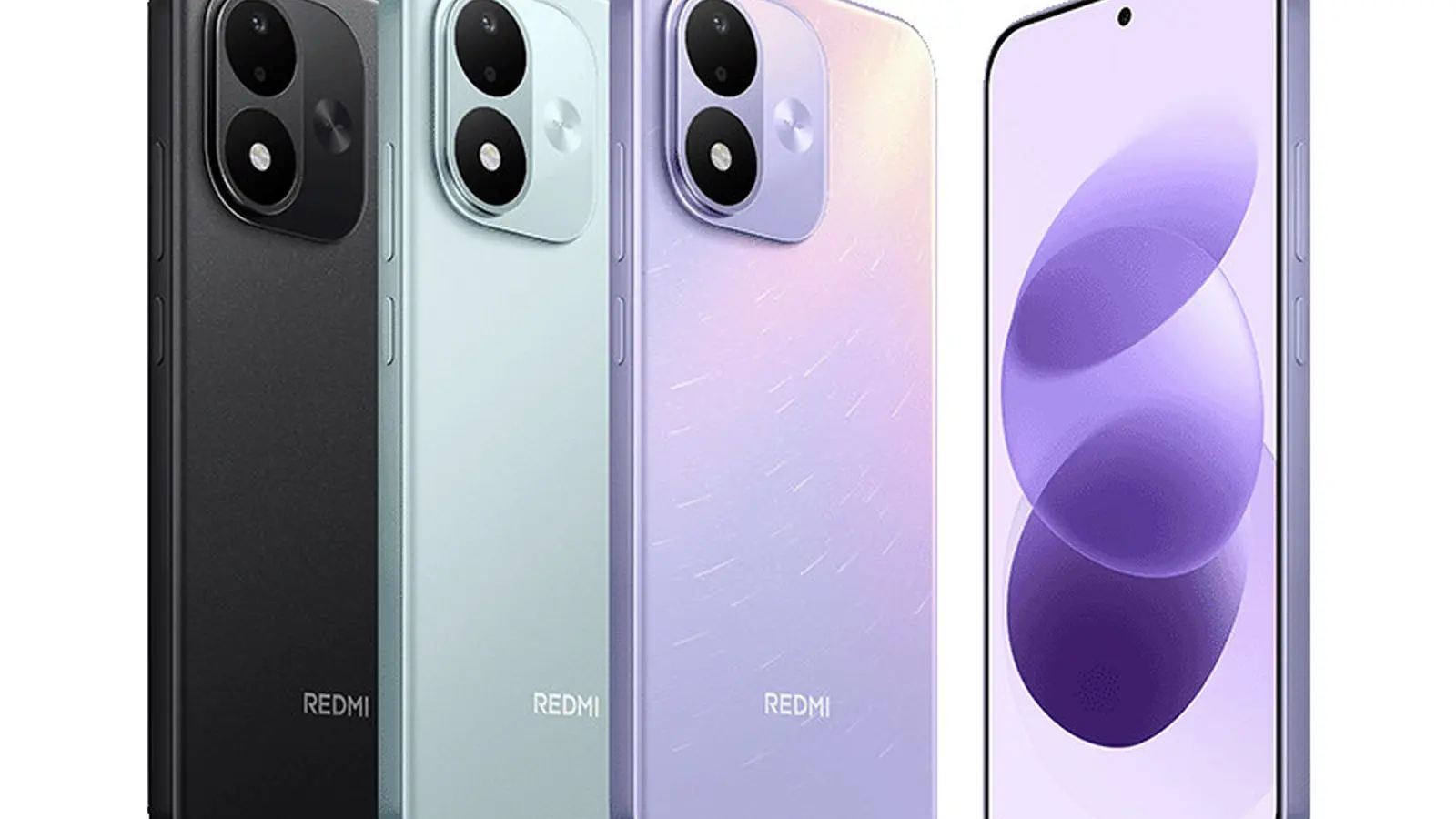
Imagine a phone you could forget to charge for days and still reach bedtime with plenty of juice left. Xiaomi’s latest Redmi Note 17 series leans into that idea with surprising audacity: the vanilla model stretches to a 7-inch OLED, while the Pro keeps things 'compact' at 6.83 inches — yet packs the larger battery. Strange? Brilliant, depending on how you use a phone.
The standard Redmi Note 17 is almost absurdly large for what Xiaomi calls their non-Pro device. It ships with a 7.0-inch 120Hz OLED display at 1,080 x 2,396 pixels that can hit a peak of 1,800 nits and accepts gloved or wet-touch input. Power comes from an 8,000mAh cell rated at 821 Wh/L and good for roughly 1,600 full charge cycles. Xiaomi quotes up to 22 hours of short-video playback and around 10 hours of outdoor navigation—figures that turn overnight battery anxiety into a relic.
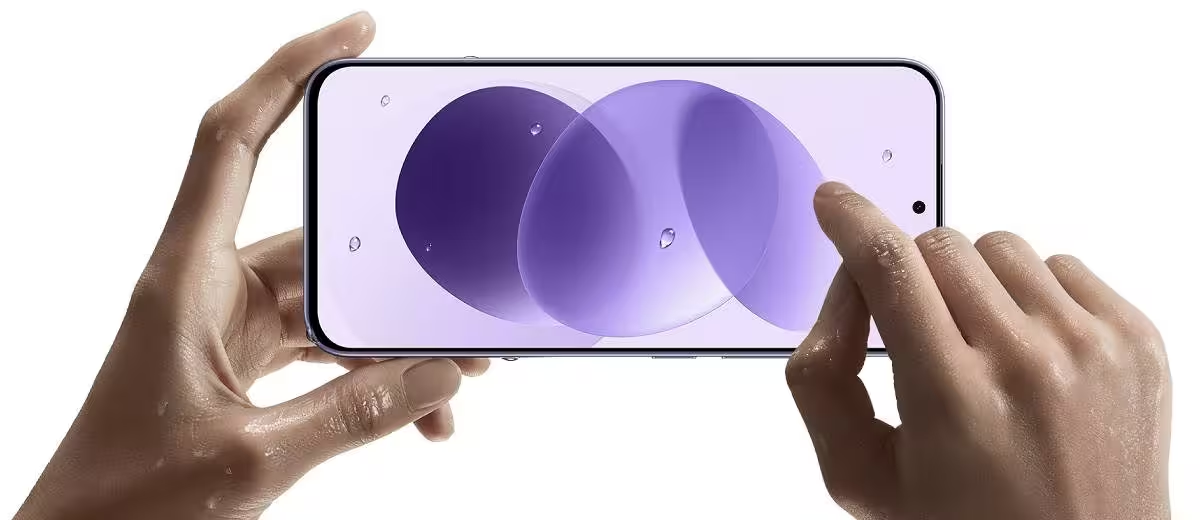
The phone charges at 45W and offers 22.5W reverse charging, enough to top up accessories or lend a charge to a friend. It’s armored with Gorilla Glass 7i on the outside and carries an IP65 rating, meaning it can shrug off splashes but not submersion. Inside you’ll find a Snapdragon 4 Gen 4 (Samsung 4LPX, 4nm) with a 2+6 core layout, Adreno 613 graphics, and LPDDR4X RAM paired with UFS 2.2 storage. If you need more room for photos and apps, there’s a microSD slot.

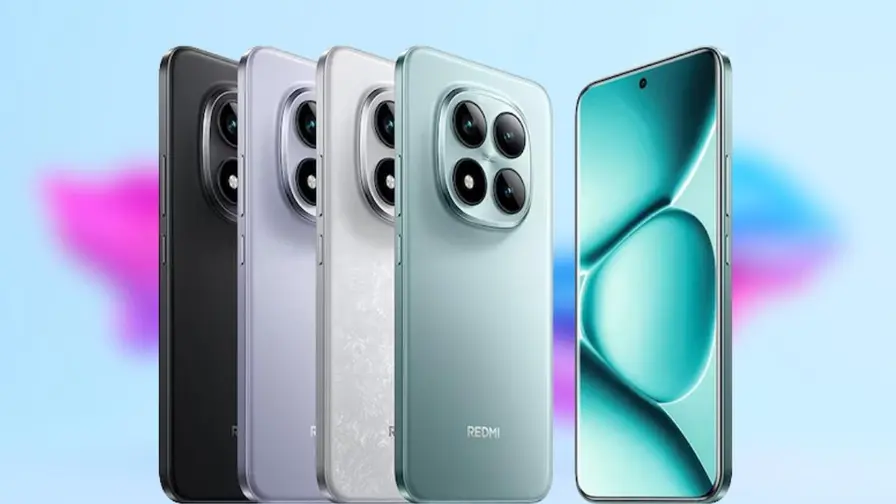
The Note 17 Pro takes a different route. Smaller in diagonal size at 6.83 inches, its OLED panel is technically superior: 12-bit color depth, 1,280 x 2,772 resolution and a blinding 3,500 nits peak brightness. It also supports deep dimming controls down to 1 nit via PWM and DC dimming options for night readers. Battery capacity climbs to a staggering 9,000mAh using a silicon-carbon cell, still rated for 1,600 cycles, and charges at 67W with the same 22.5W reverse charging feature.

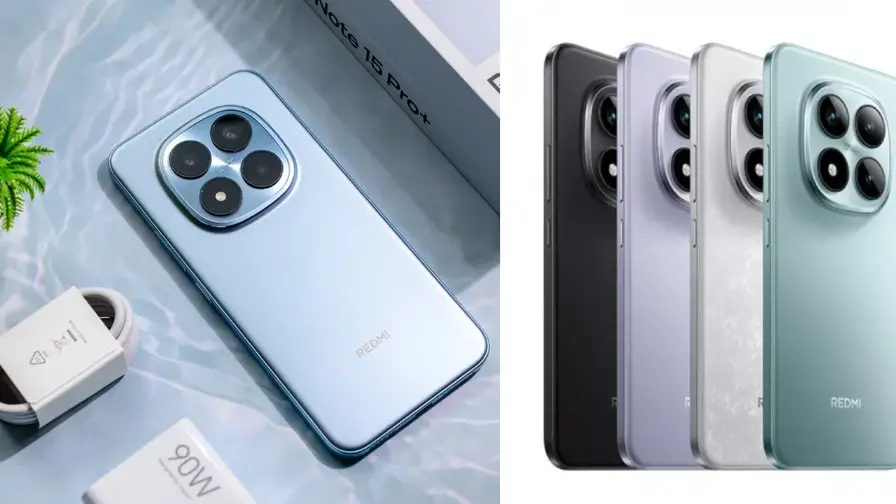
Performance steps up too. The Pro runs on Snapdragon 6s Gen 4 (also Samsung 4LPX, 4nm) with a 4+4 CPU layout and an Adreno 710 GPU. RAM options expand to 8GB or 12GB, and storage goes up to 512GB on UFS 3.1 variants. There’s no microSD slot here — Xiaomi expects most buyers to choose ample onboard storage.
Where the two models converge: both feature optical fingerprint readers, an IR blaster for remote control tricks, Wi‑Fi 5 (dual-band), Bluetooth 5.1, NFC, and slightly different proximity sensor solutions (virtual on the vanilla, ultrasonic on the Pro). Speaker setups differ too: the base Note 17 has a single speaker while the Pro delivers stereo sound. Durability is where the Pro truly flexes — an IP68 rating for submersion, extra protection against high-pressure jets (IP66/IP69/IP69K), Gorilla Glass Victus 2 on the outside, and drop testing claims up to 3 meters.
Cameras are intentionally modest. The Pro carries a 50MP main sensor with a small 1/2.76" chip and f/1.8 optics, plus a secondary 2MP depth sensor; selfies are handled by an 8MP front camera. Both front and rear capture max 1080p video at 30fps. The standard Note 17 mirrors that approach with a 50MP rear and an 8MP selfie cam. If you’re chasing flagship-grade imaging, these aren’t the phones for you; instead, Xiaomi doubled down on battery life and display tech.

Bottom line: the Redmi Note 17 family swaps camera fireworks for endurance and bright, capable OLED screens — a clear bet that many users will prefer longevity over megapixels.
Both phones are already on sale in China. Pricing starts low: the Note 17 begins at CNY 1,300 (about USD 190) for 6/128GB, while the Pro’s entry configs crawl up from CNY 1,600 (roughly USD 240) for 8/128GB. Early discounts shave a little off those tags. Global availability and final specs outside China remain uncertain; past Redmi rollouts have changed cameras and sometimes batteries for international models, so expect differences if these reach your market.
Curious which matters more to you: a camera that impresses on social, or a battery that lets you roam free? Think about which phone would actually fit into your daily routine.

Leave a Comment
Comments (2)
Is 1,600 cycles legit or marketing spin? 9,000mAh sounds great but 67W charging — curious about heat, longevity... anyone tried long term?
wow, a 9,000mAh phone? insane. i'd actually carry that beast for days, but who needs a 7-inch brick? battery king, camera meh... need hands on