
3 Minutes
A spinning top. A long, silent stare at a child. A camera cut that refuses to land. These are not mistimed tricks. They are deliberate exits — Nolan's signature: endings that keep arguing with you long after the lights go up.
Ask him why he leaves so much unsaid, and you'll get a practical, almost stubborn answer. Nolan told The Daily Show that he doesn't want to fence in the viewer's experience. He prefers a door left ajar. You pick whether to walk through, slam it shut, or stand in the hall and wonder what lies beyond.
There’s a story behind the restraint. Early in his career, after Memento's festival run, Nolan tried explaining his own interpretation during interviews. The result was the opposite of what he intended. People heard his explanation as the definitive one. It flattened discussion. His brother Jonathan — who co-wrote several projects with him — pulled him aside and said: don’t give people the answer. Since then, Nolan has kept his cards close to the chest.
Keep in mind: he does know the answer. He has to. For ambiguity to be meaningful, the creator must have a clear endpoint. Otherwise mystery dissolves into vagueness, and the film becomes an unresolved riddle rather than an invitation. Nolan's approach is tactical. He designs layers. You experience them. You interpret them. The point is engagement, not a keyed lock with one correct combination.
Take Inception. The final image — that endlessly debated spinning top — engineered a cultural itch. Did Cobb wake up? Was he still dreaming? Nolan could have offered closure. He chose not to, because the question fuels memory. People still rewatch, argue, and discover new details. That sustained conversation is part of the film's afterlife.
He made the same move with The Prestige, The Dark Knight Rises and, in a different register, Oppenheimer. Oppenheimer's ambiguity feels different precisely because it's a biopic; the stakes are historical and moral rather than purely psychological. Even so, the lingering doubts about motive and consequence keep the film alive in debates and classrooms — not because viewers lack facts, but because Nolan prefers ethical textures over tidy endings.
From Memento onward, Nolan refused to pin down his finales—because the most interesting part of a movie often happens after you leave the theater.
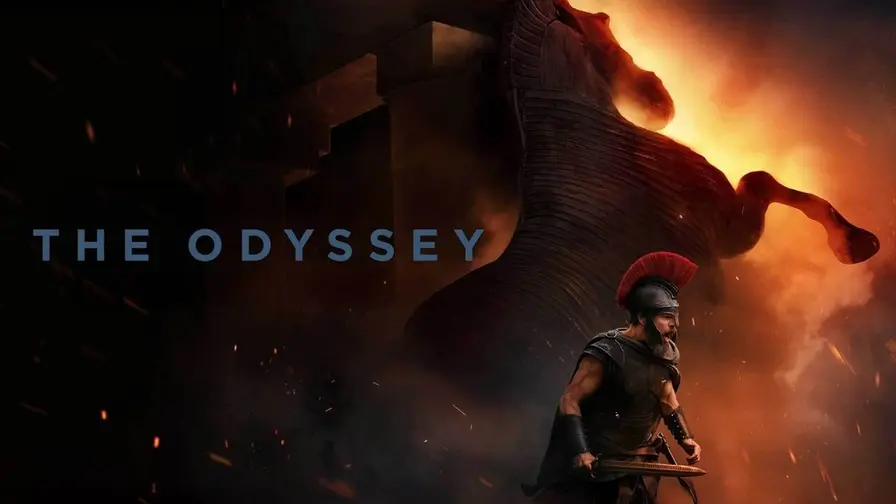
Now add The Odyssey to the list. Adapting an epic attributed to Homer is not a step back from his past work but a new test of the same instinct: how to end a story that already lives in collective imagination. The film gathers a cast Nolan hasn't combined before — Zendaya, Tom Holland, Lupita Nyong'o, John Bernthal — and asks viewers to decide where myth meets meaning.
Fans who want clear answers may feel frustrated. That’s unavoidable. But there’s a trade-off. By withholding his official interpretations, Nolan turns every audience member into a co-author. You bring your life, your doubts, your memory to the screening. The film responds. That kind of creative friction keeps films relevant for years.
So when you watch The Odyssey in theaters, or slide back to Inception and study a frame, remember this: Nolan's silence is not coyness for its own sake. It is a strategy to make stories live longer, to make debates flourish. He learned to hold back so the films could speak for themselves — and for us.
Decide what you believe. Then tell someone else.

Leave a Comment
Comments
No comments yet. Be the first.