
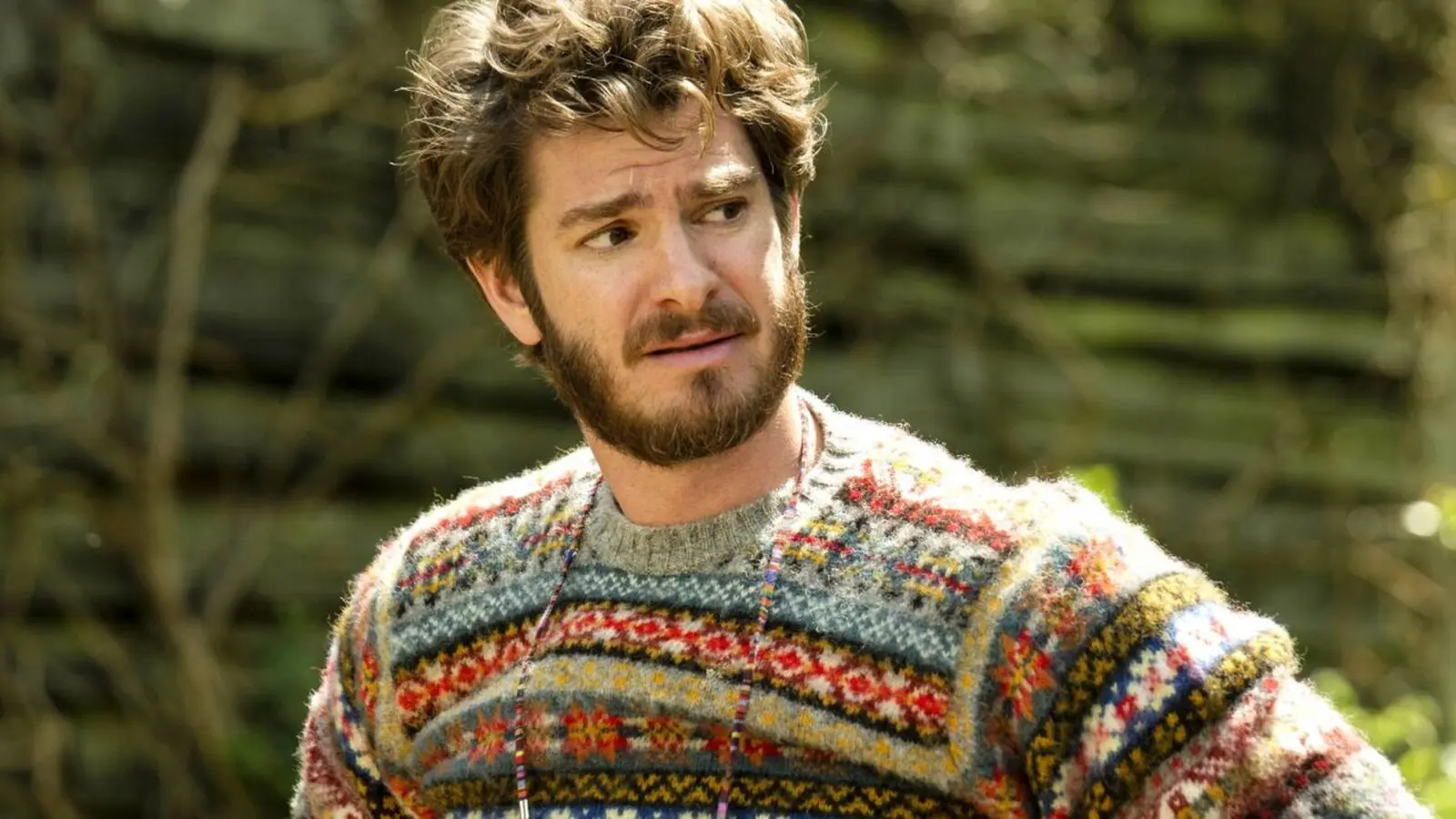
Surprise. Two weeks before release, the Andrew Garfield film that critics were expecting to be a grim take on the 1381 Peasants' Revolt has been retitled and repositioned. What was reported as a historical drama about Wat Tyler and one of England's most combustible uprisings now arrives with a decidedly different billboard: The Uprising: Rise of Robin Hood.
The change was revealed earlier today when the movie's official social account shared new posters and a fresh title. Quiet at first, then loud. The timing feels like a strategic swerve. Why switch emphasis so late in the game? Because studios pivot when they feel the ground shifting under a film — and the ground has been nervy all summer for anything with the words "Robin Hood" attached.
The studio swapped the title with just two weeks to go — a gamble that lays bare real worry over the movie's commercial prospects. It's an admission of sorts. Marketing teams rarely rewrite a film's identity at the eleventh hour unless they think the original pitch won't draw audiences. Add to that the fact that The Death of Robin Hood tanked at the box office earlier this season, and the decision looks less like inspiration and more like damage control.
Still, the film itself reportedly remains centered on the 1381 revolt — the tax riots, the economic squeeze, the political tinder that made common men stand up and shout. Andrew Garfield plays one of the rebellion's leaders. Around him, Paul Greengrass has assembled a strong ensemble: Jamie Bell, Stephen Dillane, Tom Hollander, Cosmo Jarvis, Thomasin McKenzie, Jonny Lee Miller, Woody Norman and Katherine Waterston all turn up in roles that promise texture and tension.
 |  |
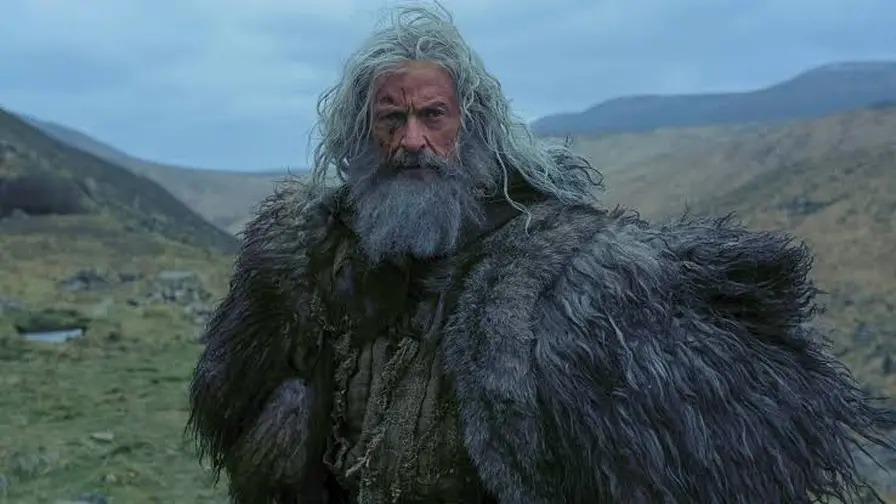
Greengrass is a director with a certain pedigree. Bloody Sunday and United 93 burned like torches into contemporary history cinema, and even his Bourne entry had teeth. Yet the new title suggests the studio wants to sling a familiar legend over a specific historical moment — a coat of myth onto revolt. Does grafting the Robin Hood mythos onto a 14th-century peasant uprising help audiences connect? Or does it dilute what might have been a sharper, harder tale?
Marketing calculations are merciless. Focus Features has set a September 11 release date for The Uprising: Rise of Robin Hood, a slot that demands attention and, frankly, box office muscle. The name switch could be an attempt to tap into evergreen iconography: Robin Hood sells as shorthand for righteous rebellion, for arrows aimed at the rich. But Robin Hood hasn't been an automatic cash magnet in recent years. So this move reads like creative optimism mixed with financial anxiety.
What to watch next? Look at the trailers and the poster art to see how the film is being reframed. Is the Robin Hood thread central, or merely an aperture through which the film's themes are glimpsed? Either way, the change raises questions about how studios position political, historical dramas for a modern audience that often prefers legend over nuance.
Greengrass did one more modest but respectable film last year for Apple, The Lost Bus, about wildfire crises. He can still craft urgency and moral complexity. Whether The Uprising: Rise of Robin Hood will join his best work is unclear. The gamble now falls to audiences. Will they embrace this hybrid of revolt and folklore, or will the late rename feel like a coat of paint over a story that wanted to be grittier?
Either way, the new title makes the opening weekend a must-watch for anyone who follows how history gets remade for the screen.

Leave a Comment
Comments
No comments yet. Be the first.