
3 Minutes
Press night at Toronto turned into something like a boxing match — critics lining up on opposite corners after Zack Snyder’s The Last Photograph played to a packed festival theater. Some walked out stunned, others walked out furious. Few left indifferent.
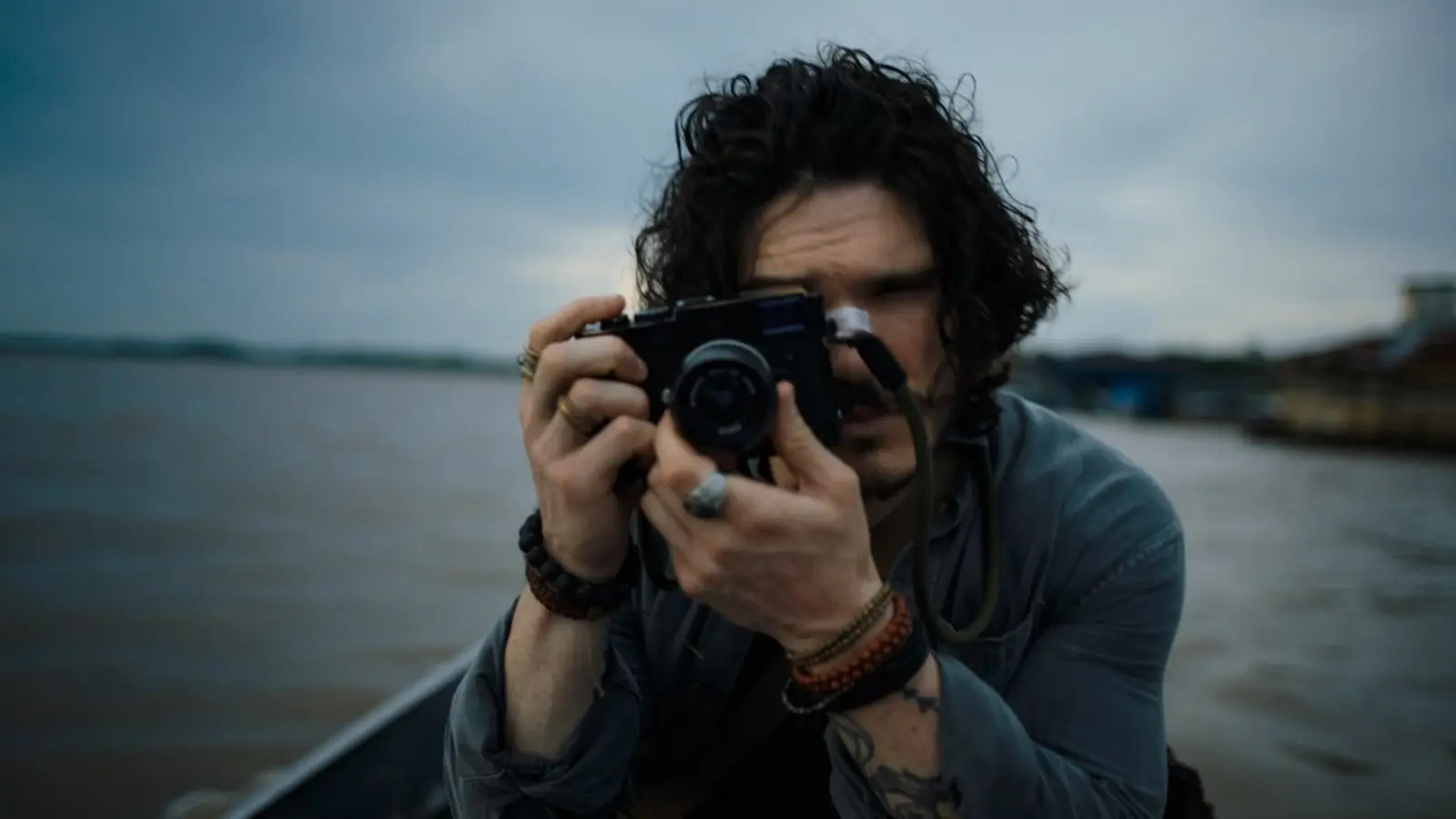
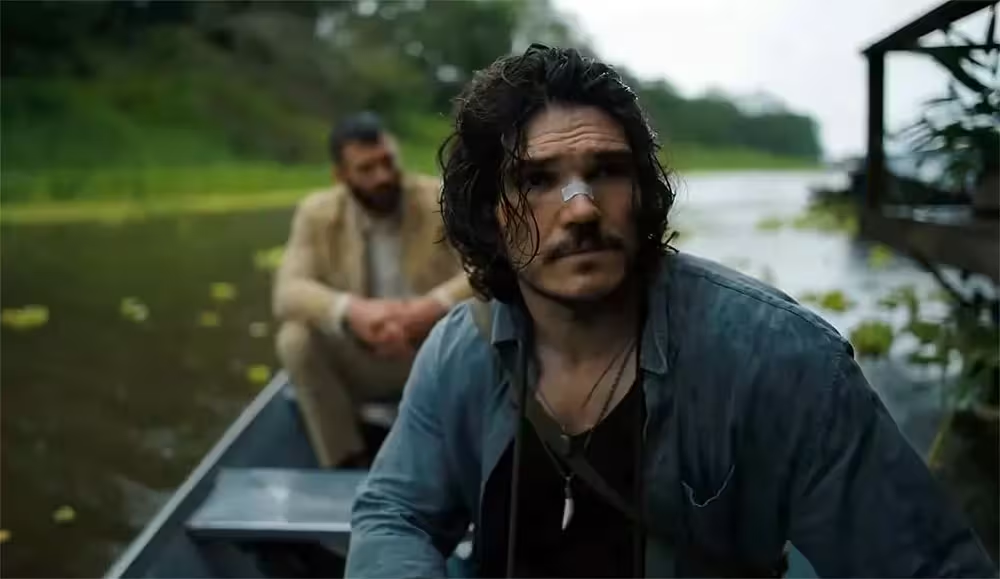
The film, written by Kurt Johnstad from Snyder’s own story, follows a former DEA agent searching for the murdered children of his diplomat relatives high in the mountains of South America. He’s helped by an addicted photographer who witnessed the killers. The wilderness becomes a mirror; memory and reality blur as the lead confronts private demons.
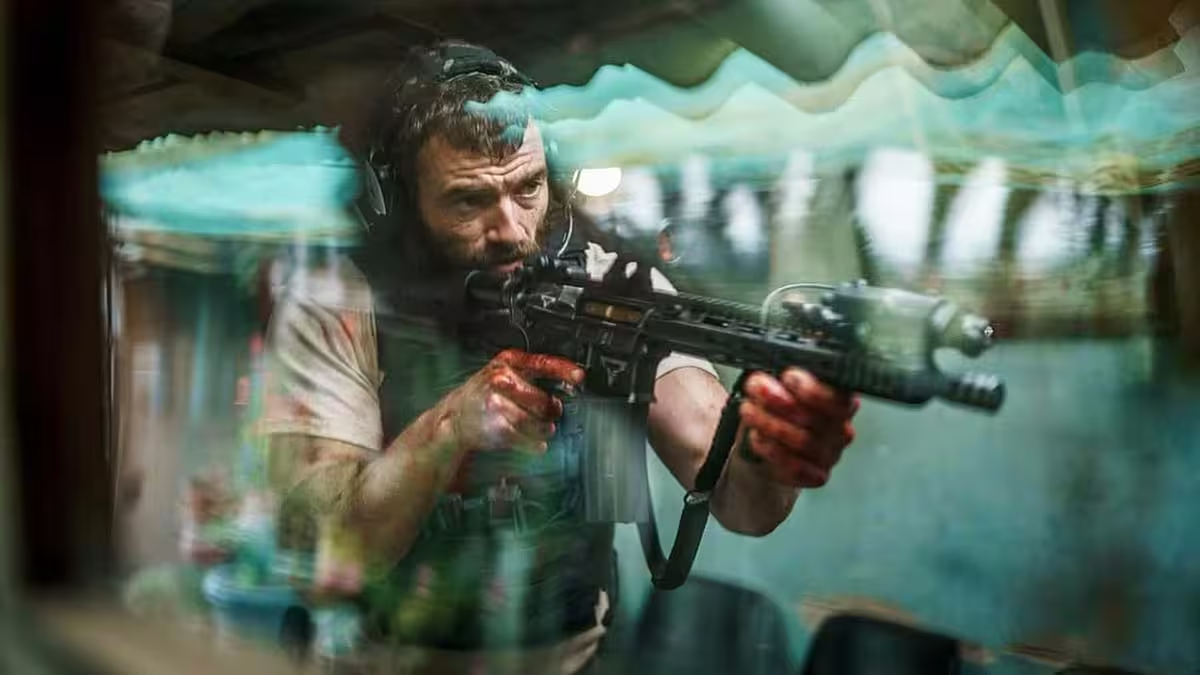
There are familiar names attached: Stuart Martin and Fra Fee headline, Hans Zimmer provides the score alongside Omer Benyamin and Steven Dur, and Snyder—calling this a personal labor—served as his own cinematographer. It’s Snyder’s first fully independent feature, reportedly two decades in the making and produced without studio or streamer oversight.
Critics’ reactions arrived like lightning—bright, jagged, and hard to predict. A large faction condemned the film as a self-indulgent mess: raw to the point of grotesque, overlong, and so heavy-handed it felt performative. Words like "shameless" and "disastrous" surfaced repeatedly in reviews that took aim at its pacing and what they perceived as clumsy cultural portrayals.
Other voices were kinder. Some reviewers singled out the visual sweep of Colombia’s landscapes and Zimmer’s score as cornerstones that lift scenes beyond their narrative holes. For them, The Last Photograph is a bold tonal pivot for Snyder—a stripped-down, intimate thriller that ditches comic-book gloss for something more desperate and immediate.
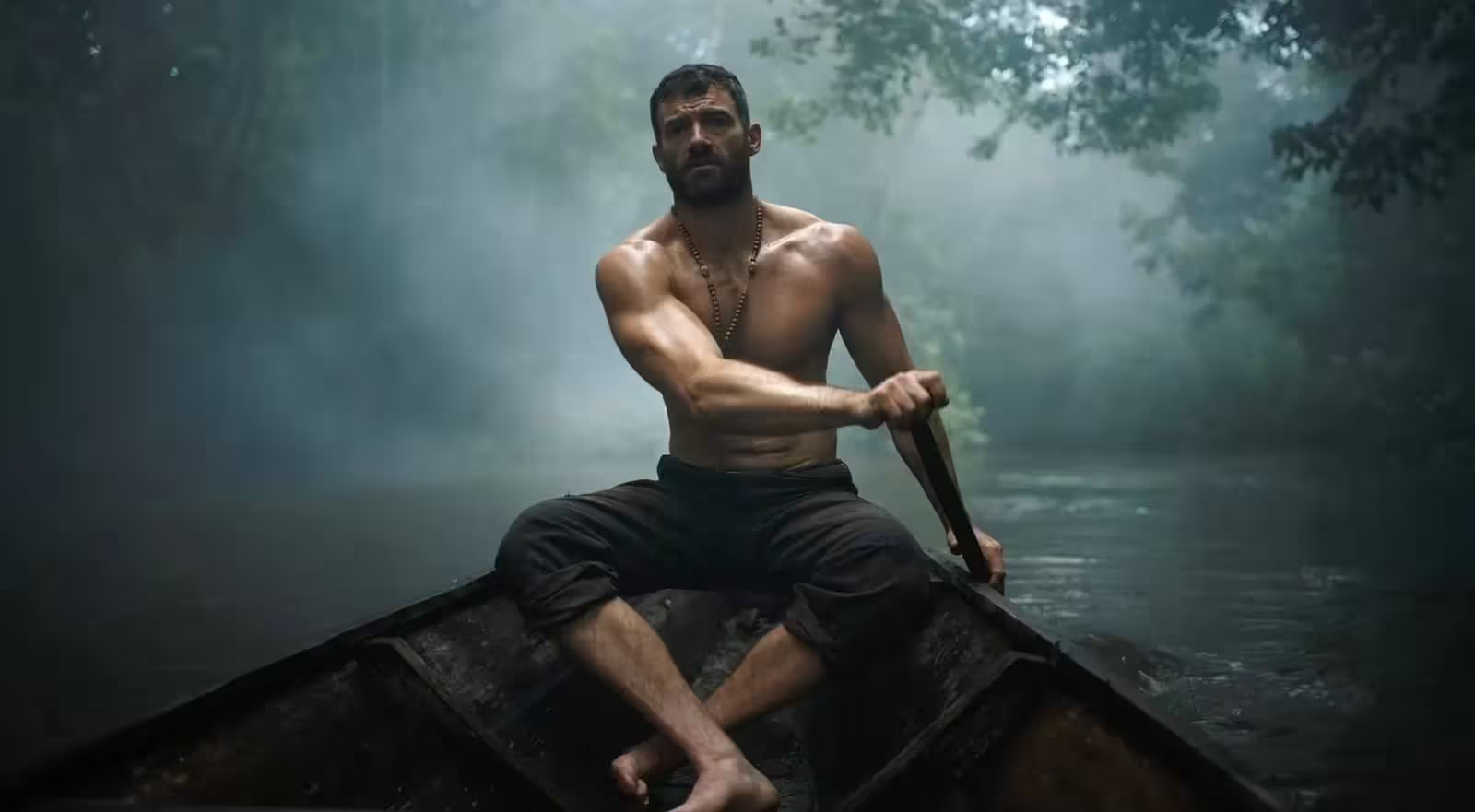
Then there are the mixed takes: praise for kinetic action sequences and technical bravado, yet frustration at a screenplay that never seems fully committed to its ambitions. A few critics said ninety minutes of hard-hitting, unflinching thriller work is undermined by another forty-five minutes of self-referential directorial flourish—beautifully composed images that don’t quite add up to a satisfying whole.

This is Snyder’s most personal film, made outside the studio system after decades of development, and that independence shows in both its strengths and its glaring weaknesses.
Accusations of tonal inconsistency mingle with admiration for Snyder’s audacity. Some called the film needlessly violent or even offensive in places; others praised its willingness to be unforgiving. The consensus, such as it is, points to a movie that will split audiences: cinephiles may argue about its intentions for months, while general viewers might check out halfway through.
Whatever side you take, The Last Photograph has reignited a familiar question about Snyder’s work: is he reinventing himself or simply repeating his extremes in a new key? The debate at TIFF suggests that for better or worse, he has once again made a picture that refuses to be background noise.

Leave a Comment
Comments
No comments yet. Be the first.