
3 Minutes
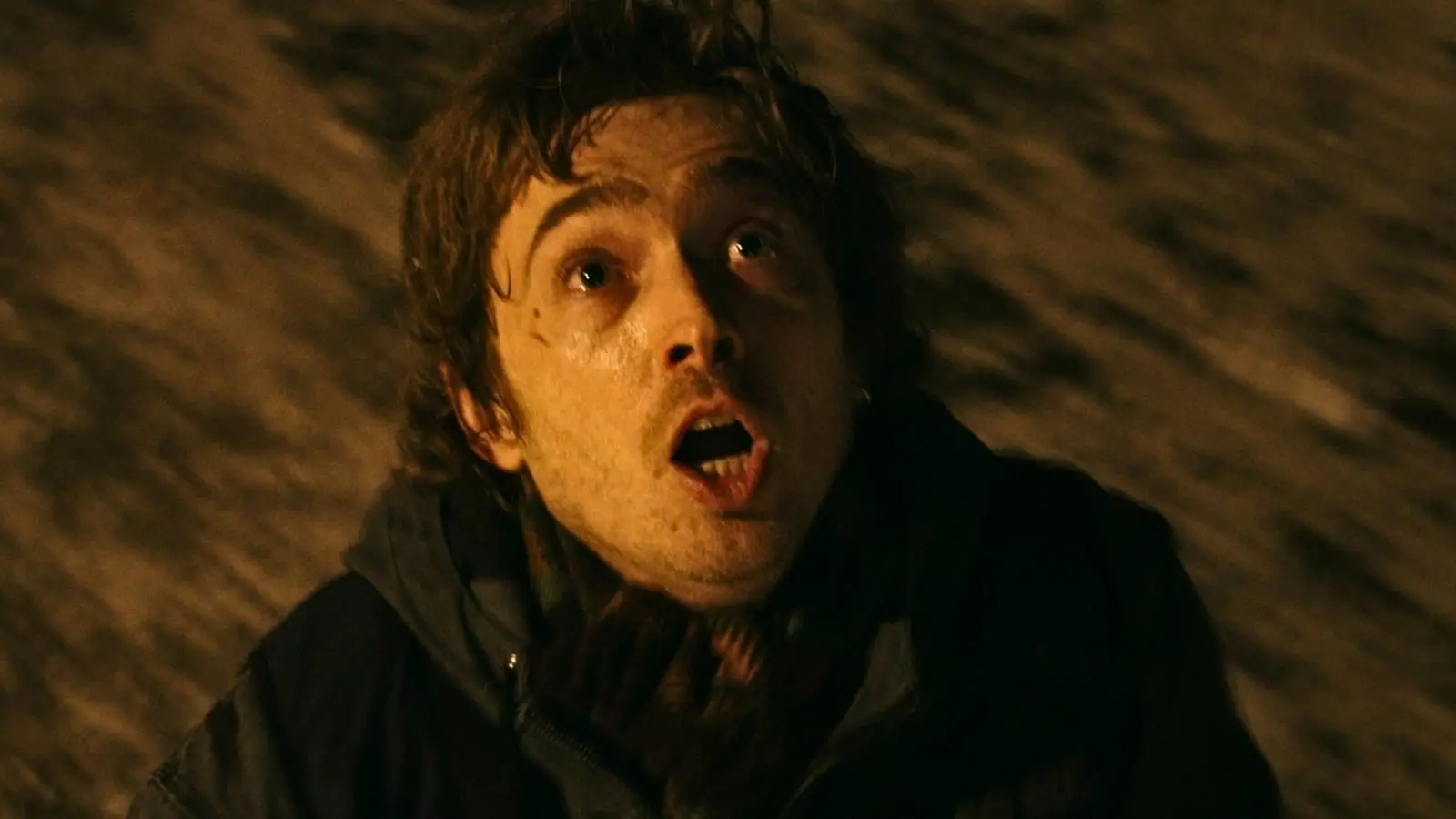
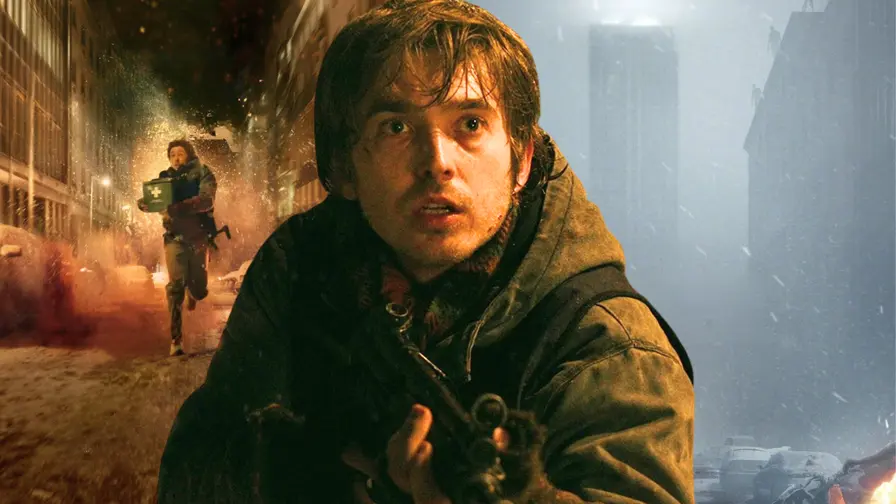
It starts like a delivery run gone wrong. One minute Brian is on his bike; the next, Raccoon City is imploding and monsters are in the streets. Simple setup. Relentless momentum. Zach Cregger’s Resident Evil drops you into panic fast—and refuses to let you catch your breath.
Cregger, who co-wrote the script with Shay Hatten, doesn’t try to reinvent the wheel. He strips the franchise down and rebuilds it with the eye of a horror director who knows how to marry shock with sly humor. The film nods to the events of Resident Evil 2 (1998) but replays that nightmare in a modern register. Austin Abrams anchors the story as Brian, a pharmaceutical delivery driver whose ordinary life becomes an awful crucible. He’s not a soldier. He’s not a supernatural chosen one. He’s a guy with bad timing and a lot of grit—and that choice gives the movie surprising emotional stakes.
Supporting performances add texture without stealing the engine. Zack Cherry and Kali Reis lend grit; Paul Walter Hauser brings a jagged comic edge. The ensemble feels like a patchwork of everyday people pressed into extraordinary violence—a deliberate move that keeps the film tethered to human panic rather than videogame heroics.
Critics have largely cheered the result. On Rotten Tomatoes the film sits at 97% from 89 reviews; Metacritic registers a solid 79 out of 100 from 30 critics. Those numbers reflect a common appraisal: this is a bonafide horror flick that also happens to be one of the best adaptations of a game to date.

Reviewers highlight different strengths. Screen Rant (90/100) praises the movie’s clear debt to John Carpenter’s sensibilities while crediting Cregger for his own unmistakable signature—tense framing, bold scares, and a lean streak of dark comedy. The Hollywood Reporter (90/100) celebrates imaginative, gore-forward set pieces and a pace that rarely lets the adrenaline drop. TheWrap (85/100) calls it perhaps Cregger’s best work, a surprising commercial turn that still carries the director’s creative fingerprints.
IndieWire (83/100) points to something rarer: an adaptation that amplifies, rather than undermines, the shared DNA of games and films. IGN (80/100) and Collider (80/100) underline the film’s craft—tight survival storytelling, carefully built creature effects, and a lead performance that sells vulnerability over macho competence. Even critics who raise reservations admit it’s an entertaining, confident entry in the series: The Guardian (80/100) praises Cregger’s command of rhythm and jump scares, while Variety (80/100) calls the film a lively, shape-shifting ride that never takes itself too seriously.
There are dissenting notes. The A.V. Club (75/100) frames it as a skilled B-movie, polished but boxed in by franchise constraints. Empire (60/100) argues that, for all its energy, the film’s narrative surprises are limited—yet concedes that horror fans will likely enjoy a compact, bloody ninety-minute experience.
At its core, Resident Evil (2026) succeeds because it trusts smallness: small cast, small-scale stakes, huge scares. That economy gives the film a singleness of purpose—survive the night—and a clarity that many bigger-budget adaptations lack. It doesn’t chase spectacle for spectacle’s sake; it refines familiar ingredients until they feel new again.
Whether you come for nostalgia, creature design, or a fresh take on a familiar mythos, this Resident Evil stakes its claim: a game adaptation that listens to the language of horror first and fan service second. Ready to take the ride through Raccoon City?

Leave a Comment
Comments
No comments yet. Be the first.