
3 Minutes
He becomes the thing everyone was trying to stop. Shocking. Tragic. Unavoidable.
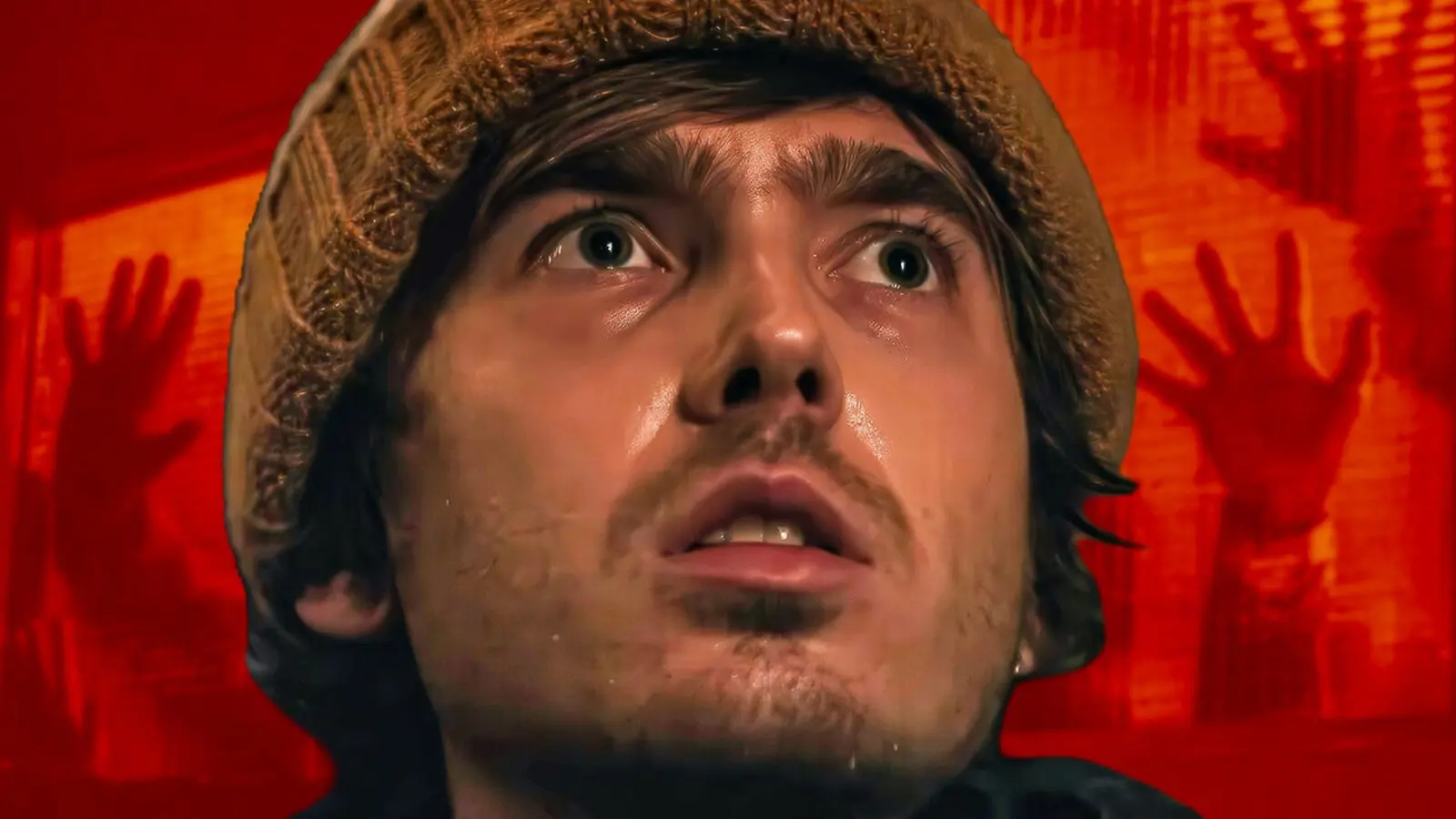
Austin Abrams stars as Brian, a tired medical courier on what should have been his last run before going home. The package he carries turns out to be more than paperwork. It holds the key, of sorts, to an antidote that could halt the outbreak spilling through Raccoon City. But fate — and a bite — have other plans.
In an interview with Variety, Abrams called the finale both surprising and heartbreaking, praising director Zach Cregger for the nerve to kill off his protagonist. That decision isn’t cruelty for its own sake. It reframes the whole story. The man who fights to protect the cure becomes the instrument that destroys it.
Most of the film follows Brian’s desperate, single-minded rush toward Raccoon General Hospital. Long corridors. Dead ends. A city spilling over with the infected. The pacing tightens until the moment the antidote is finally assembled — and then the bite’s slow, inevitable chemistry takes over. Brian bulks up, contorts, and turns into a hulking creature that lashes out at the scientists and the one hope they’d managed to produce.
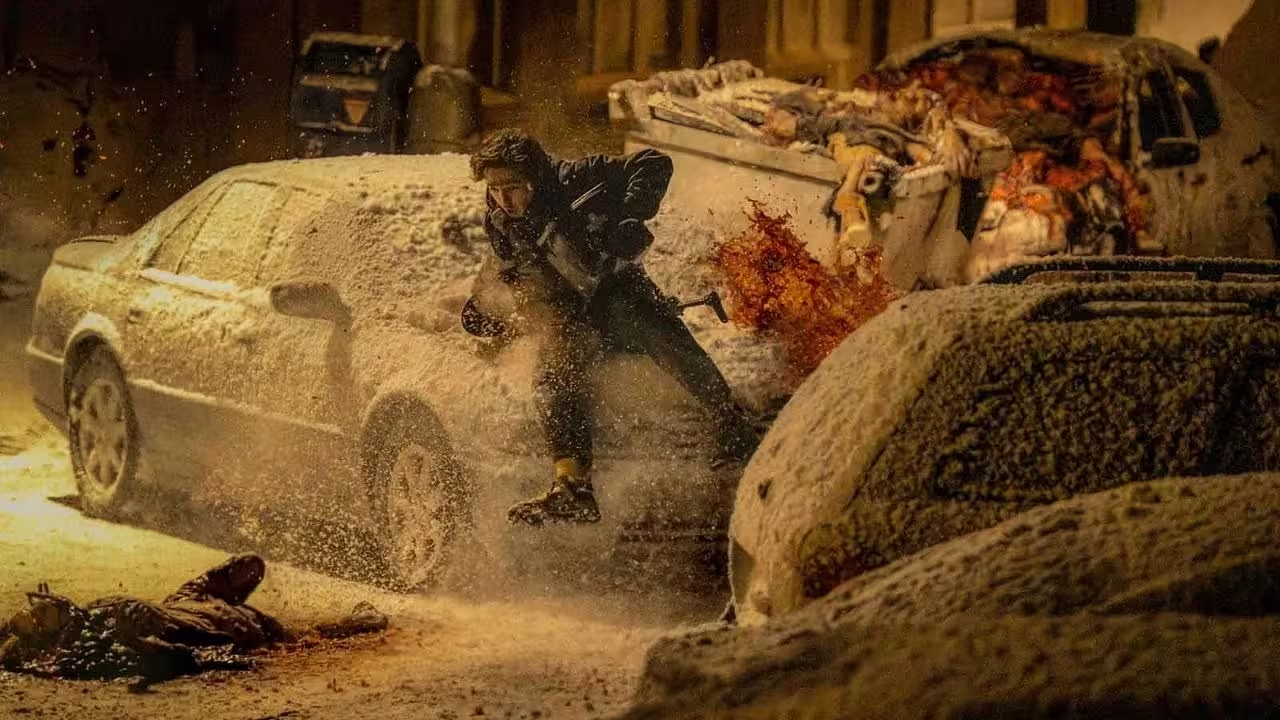
The final twist is brutal: the cure is ready, but the carrier of that cure becomes its destroyer.
Fans of Cregger’s earlier shocks — films that relish sudden reversals and tonal left turns — won’t be surprised by the choice. Abrams says he loves that willingness to take risks. He even laughed about the make-up and movement work that turned him into the film’s final monster, admitting that the more he committed to the role, the more the team told him to lean into the creature angle: be louder, be meaner, don’t stop.
Despite the franchise name, this Resident Evil doesn’t lift a single story beat from the games. Familiar landmarks are there — Raccoon City, the Umbrella Corporation — but characters like Leon Kennedy or Jill Valentine are absent. Cregger uses the world as a pressure cooker for a new, standalone tale.
The last shot leaves no tidy breadcrumbs. Brian, fully transformed, faces a military helicopter. No mid-credits scene follows. No postscript explains how the outbreak continues or whether that ruined antidote was the only hope. Abrams declined to speculate on sequels and wouldn’t tease any theories about what comes next.
The result is a film that prefers rupture to reassurance. It invites debate rather than answering it, and it asks a simple, unsettling question: what happens when the hero’s last act is the thing that dooms us all?

Leave a Comment
Comments
No comments yet. Be the first.