
4 Minutes
They drop a bomb in episode one. And it isn't there for cheap shock value — it's the hinge on which Lanterns' emotional engine turns.
Chris Mundy, the show's creator and showrunner, has been careful from the start: season one was crafted to be a complete story. Yet he and his team left enough open doors that, if audiences respond, Lanterns could stretch into multiple seasons. Think of it as a self-contained novel with a few blank pages tucked between chapters.
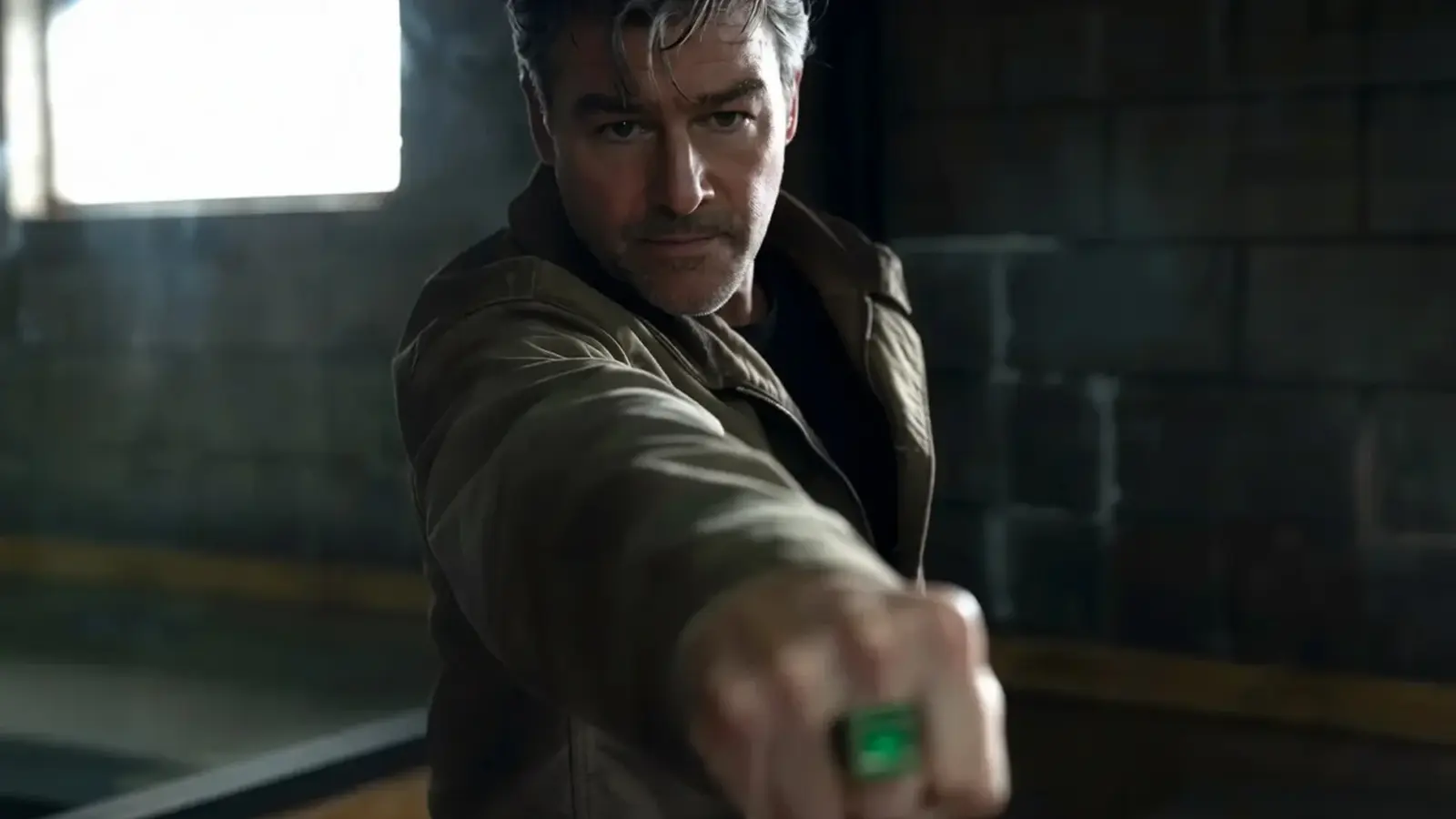
The series follows Hal Jordan (Kyle Chandler) and John Stewart (Aaron Pierre), two Green Lanterns who begin as investigators of a grim murder in rural America and unearth something far larger. Lanterns leans into neo-noir and procedural beats while also opening up cosmic vistas. The storytelling hops between two timelines, giving the mystery extra texture and letting character moments land with sharper weight.
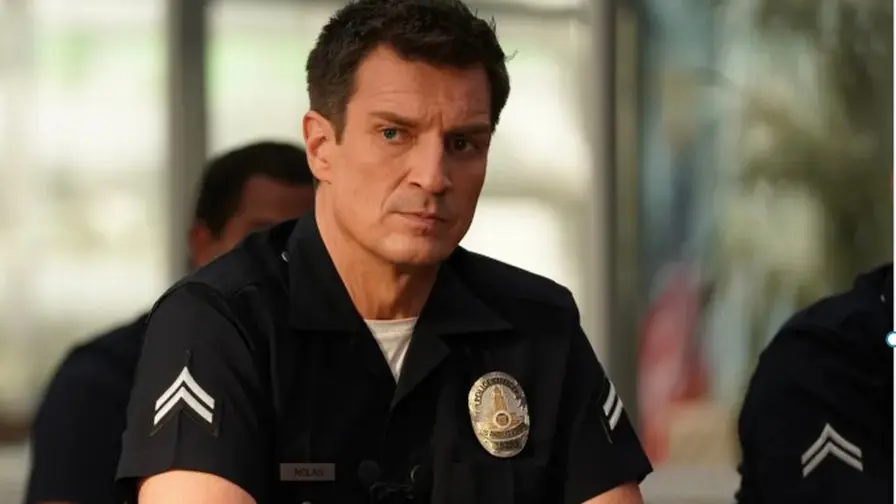
One of the more surprising joys of the cast is Nathan Fillion as Guy Gardner. Mundy says Gardner was part of the plan from the earliest days — a compass to help the audience orient in time as much as comic relief. Fillion's take, Mundy explains, allowed the writers to push the humorous edges beyond what viewers saw in Superman without undermining the character's role in the story. The first meeting between Guy and John is deliberately prickly; it gives the series some welcome friction.
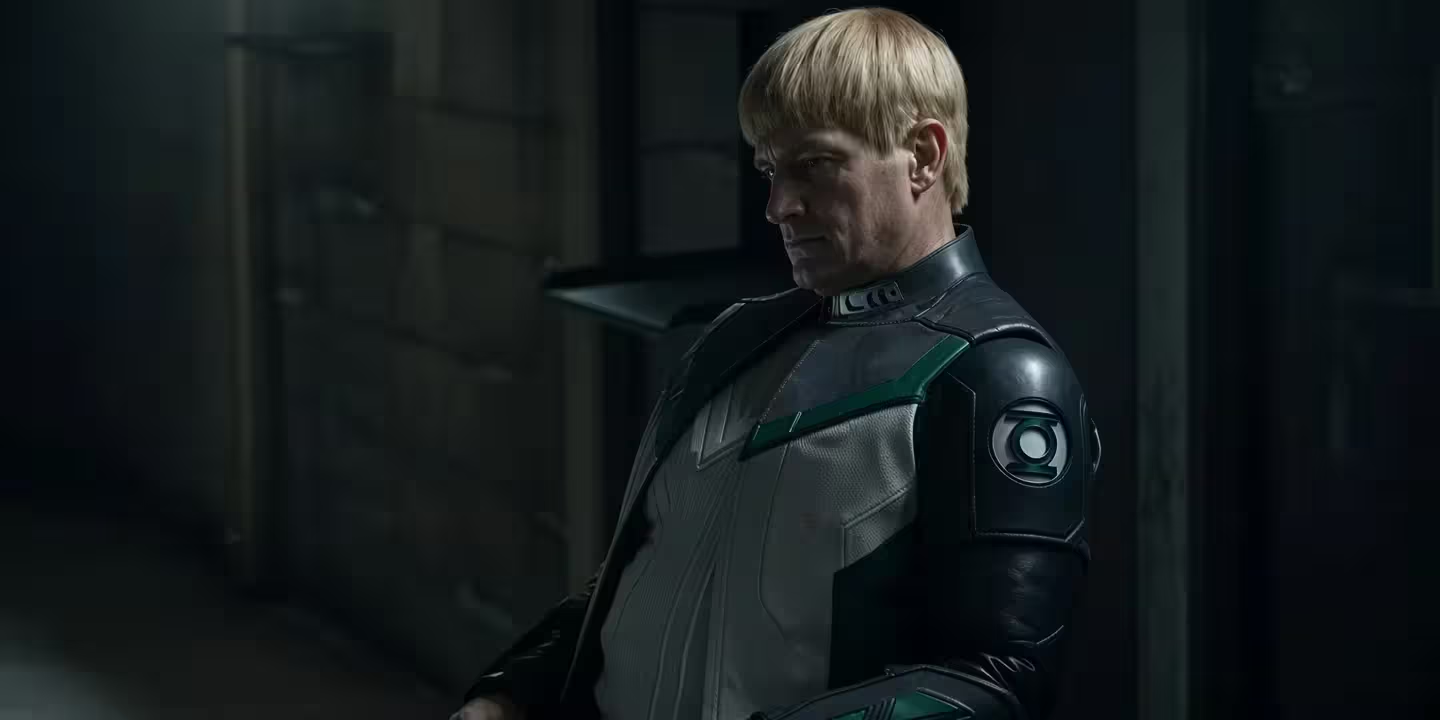
That friction matters because the series doesn't trade in easy answers. Mundy acknowledged to Collider that a major plot decision in episode one might unsettle some viewers. He insisted it was a conscious, emotionally led choice. "It's a big thing," he said, and added that the writers did not arrive at it casually. They wanted to deepen our understanding of both John and Hal, and every beat that follows is meant to serve those two characters.
In practice, that means the early upheaval is not a stunt. Its consequences ripple through the season and inform the characters' arcs. Viewers who feel surprised or even upset are seeing evidence that the show is prioritizing character-first stakes over spectacle alone.
On the production side, Mundy has been explicit: Lanterns isn't currently plugged into a sprawling, multi-title DC plan. Season one functions as a discrete television story. Still, the creative team has been thinking ahead. Damon Lindelof, a co-creator, has noted that if the show finds an audience, there are many directions to pursue. Mundy reportedly already convened a writers' room to explore possible season-two threads — even before any official renewal from HBO or DC Studios.
That planning doesn't mean a green light is guaranteed. HBO and DC Studios have not yet ordered another season. For now, the distinction is important: the showrunners are plotting future possibilities while the networks weigh ratings and reception. If Lanterns does earn more episodes, those future seasons could expand beyond the initial case, bringing in other DC figures without forcing the first season to serve purely as a setup.
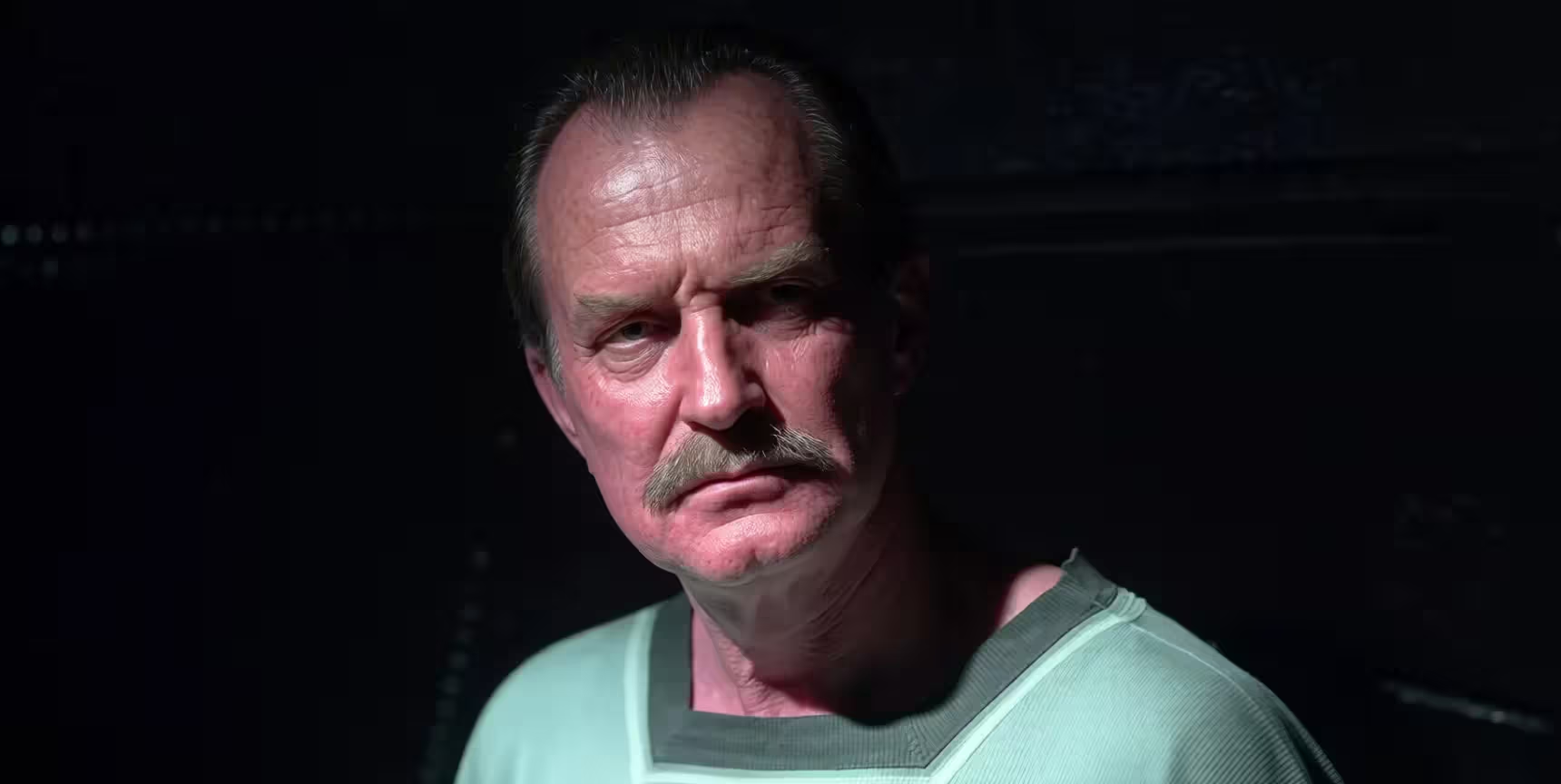
Fans will also be watching how Lanterns balances tone. It's a crime drama and a space opera at once. It can be gritty, absurd, tender. That flexibility is what allows Guy Gardner's comic edge to sit beside darker, more intimate scenes between Hal and John. Nathan Fillion's confident performance gave the creative team license to lean into humor without undercutting tension.
Lanterns arrived on HBO Max on August 16, 2026. Early episodes already make clear the show has its own rhythm: slow-burn investigation, character beats that hit like small detonations, and an underlying sense that the cosmos is always intruding into human life. If you want a Green Lantern story that privileges relationship and mystery over nonstop heroics, this one aims to deliver.
Whether Lanterns grows into a multi-season saga will depend on viewers as much as creative intent. For now, Mundy and company have mapped a season that stands on its own while keeping the horizon wide enough to imagine what comes next.

Leave a Comment
Comments (1)
wow that first ep: they really drop a bomb and dont flinch. risky move, but it actually deepens Hal and John. Fillion steals moments, and the slow burn works... mostly