
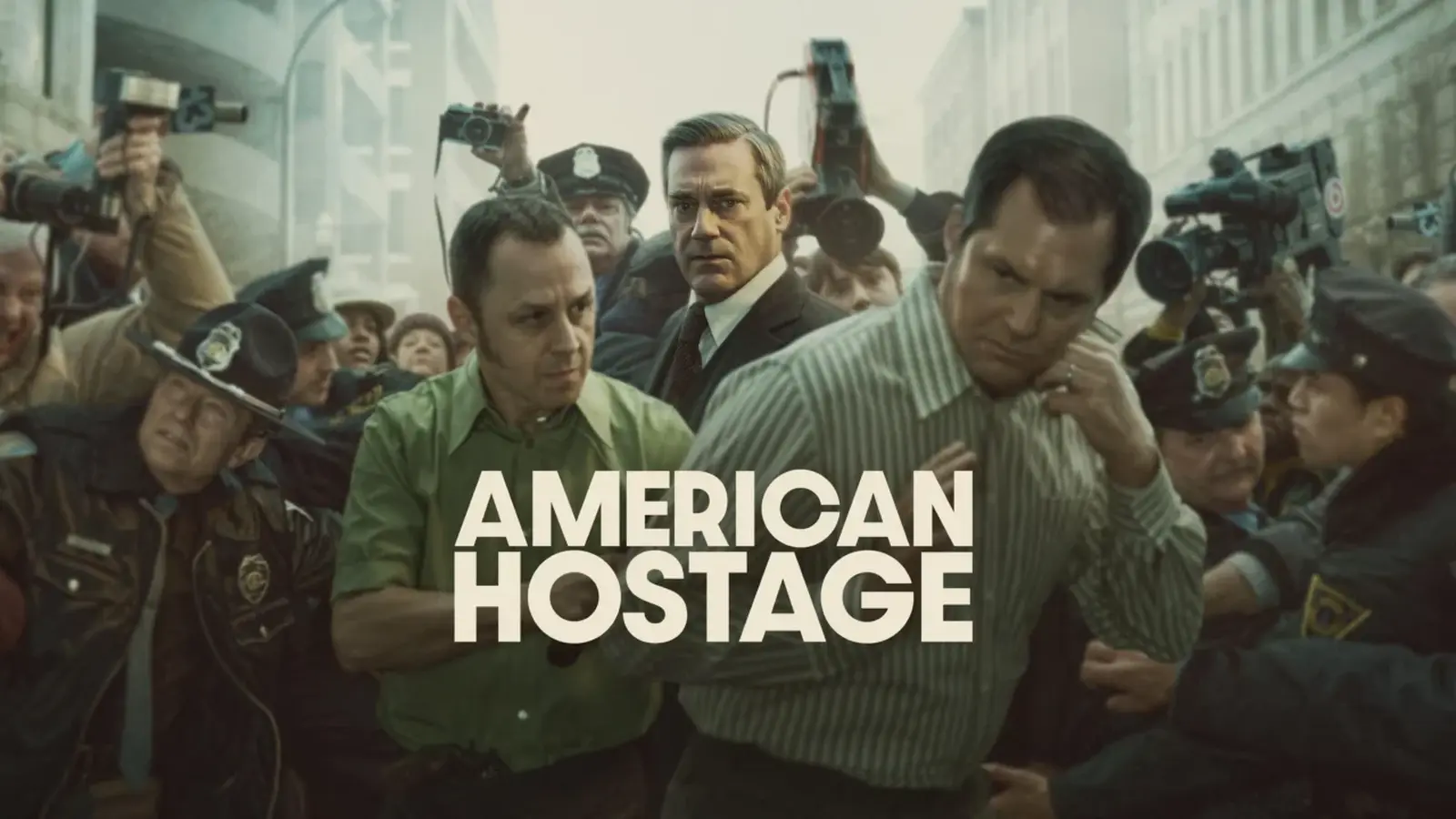
3 Minutes
The moment a radio mic becomes the line between life and death—American Hostage drags you there, breathless and unsettled. John Hamm anchors the show as a beloved radio personality caught in a nightmare: a gunman named Tony Kiritsis forces his way into the airwaves, demanding a live interview and turning a morning program into a hostage standoff.
Created by Shawn Ryan and Eileen Myers for MGM+, the series adapts a true-crime podcast into an anthology format that leans into pressure, spectacle, and the ethics of media. Set in Indianapolis, the drama examines how a public platform can be weaponized, how a community watches in real time, and how a host—trained to inform and comfort—must make impossible choices under threat.
Acting is the engine here. Hamm’s performance is granular: tight jaws, quick wit, and the brittle calm of someone improvising survival. Giovanni Ribisi and the supporting cast add texture, from the hulking intensity of the captor to law-enforcement figures whose certainty frays as the hours stretch on. The show often makes a smart trade—favoring the claustrophobic intimacy of a few faces over sprawling subplots.
Critics are divided, but many agree the series delivers gripping moments. On Rotten Tomatoes, American Hostage holds strong praise—90 percent from ten reviews—while Metacritic collects a more measured 61 out of 100 from eight critics. The consensus: powerful performances and vivid set pieces lift a drama that sometimes struggles to justify its own existence beyond its true-story and podcast origins.
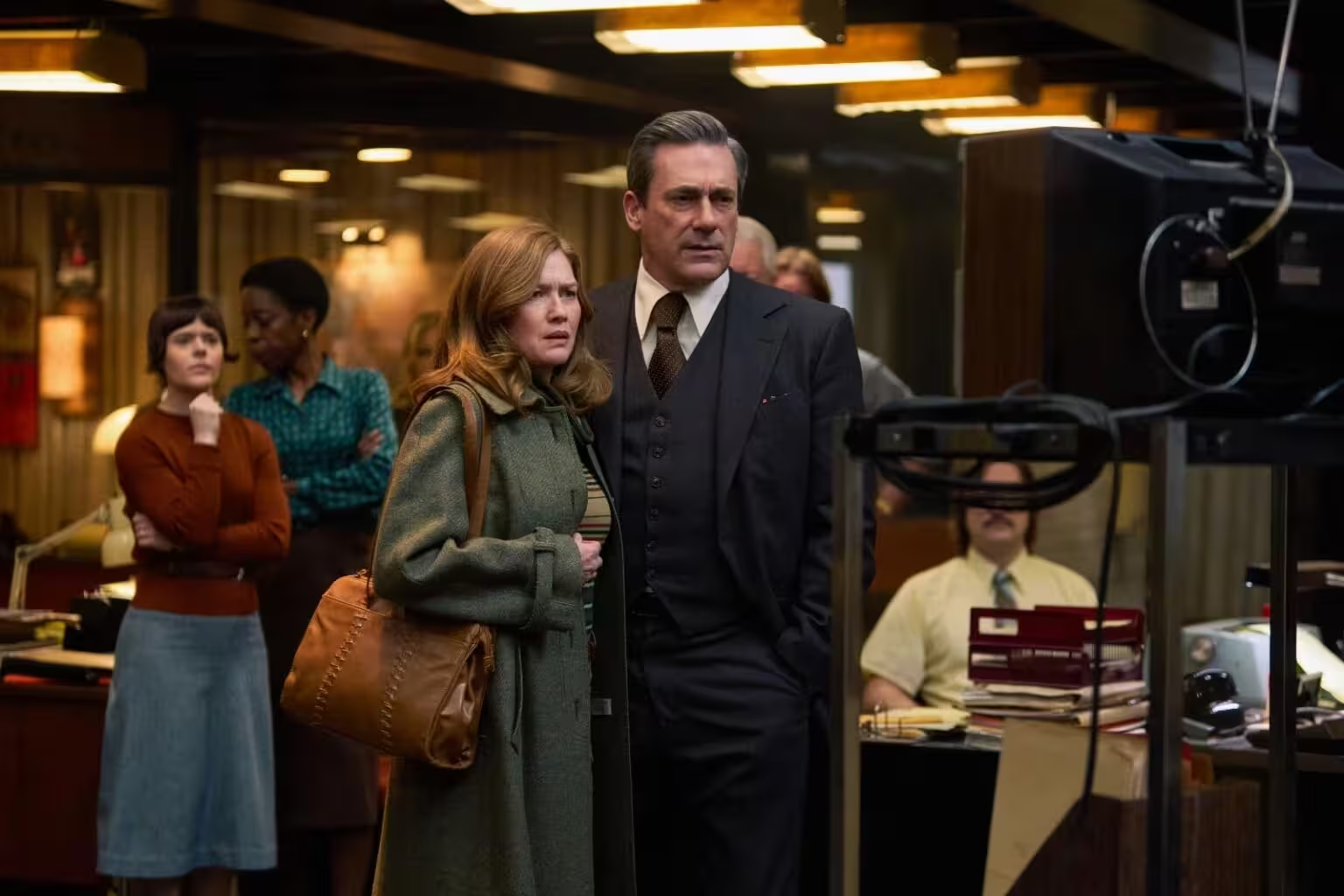
Reviews run the gamut. Collider (80/100) praises the series for translating the podcast’s tension into a compelling screen narrative. Screen Rant (70/100) highlights Hamm and Ribisi’s commanding turns, but notes that the script doesn’t always give supporting characters fully rounded arcs. RogerEbert.com (63/100) calls the eight-episode run thematically sound with engaging performances, yet questions whether the show needs to exist alongside prior adaptations of the same case. The Wall Street Journal (60/100) finds the rhythm uneven—an electrifying start, a slower middle, then a rousing finish—while IndieWire and The Hollywood Reporter critique the series for stretching its premise beyond the tight focus that made the real incident riveting.
What the series does well is create pressure-cooker scenes where radio becomes both shield and weapon. It probes the corrosive interface between sensationalism and empathy: how producers trade scoops for seconds of attention, how an audience at home becomes an unseen jury, how a host negotiates duty and dread. The result is often uncomfortable viewing. And that’s deliberate. The show rarely gives you easy answers; instead, it asks: what would you do with a microphone in a crisis?
Technically, American Hostage is polished. Direction and production design convincingly recreate the era and the newsroom’s claustrophobic energy. Pacing can feel intentional—sometimes to the point of indulgence—but there are sequences where tension snaps like a taut wire, and the camera doesn’t flinch from the human cost.
If you come for a straight procedural, prepare to be frustrated; this is less checklist mystery and more character-driven pressure test. If you come for performance-led drama and moral complication, there’s plenty to admire. Either way, American Hostage refuses to let the spectacle sit comfortably on the shelf—it pulls it into the studio, flips the switch, and asks the audience to listen closely.
Watch it for Hamm, stay for the questions it refuses to avoid.


Leave a Comment
Comments
No comments yet. Be the first.