
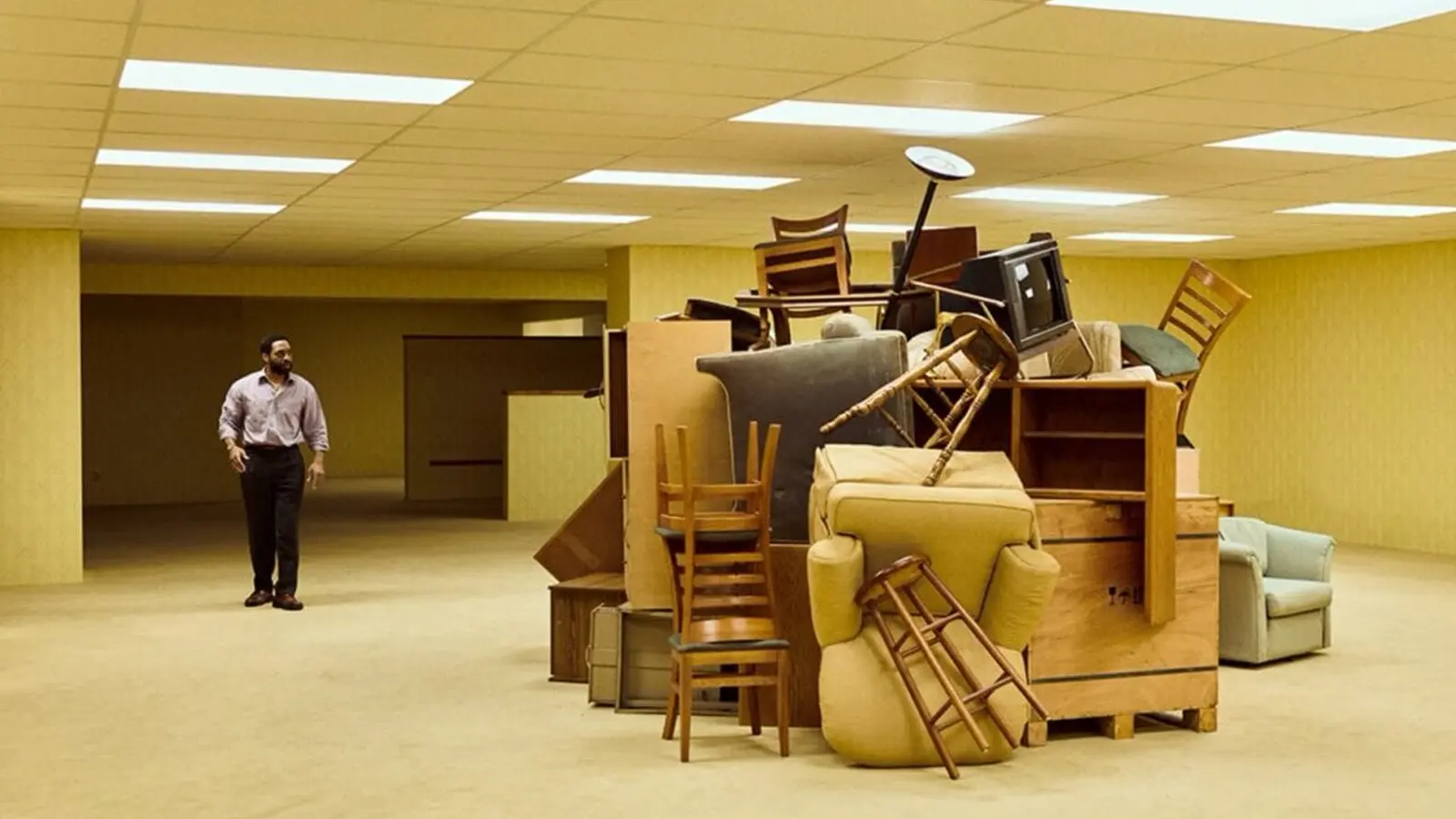
Kane Parsons doesn't want his film reduced to a handful of jump scares. He built the Backrooms as a thought experiment—an endless, humming labyrinth where memory frays and the rules of reality feel negotiable.
The idea that Backrooms equals pure horror comes from the internet's first whisper: a creepy image, a short caption, a spark that set forums and sleep-deprived message boards alight. Parsons turned that spark into a 2022 found-footage video that went viral on YouTube. The footage amplified the dread: fluorescent lights, looping corridors, shapes that shouldn't be. People called it internet horror. And they were right—up to a point.
Parsons has been clear in interviews: terrifying viewers was never the sole aim. He saw the project as a place to pry open how people relate to space, memory and alienation. Think of it less as a monster movie and more as a psychological and science-fiction chamber piece. Small, nervous moments sit beside lingering questions about identity and environment. The result? A film that unsettles in ways beyond sudden shocks.

The feature follows Clark, played by Chiwetel Ejiofor, who vanishes into a mysterious, apparently endless zone. His therapist, Mary Klein—Renate Reinsve—ventures into that same realm to find him. On paper, it's the setup for a rescue thriller. In execution, it becomes a study of minds stretched thin by isolation and uncanny architecture. The corridors act almost like a character: they absorb memory, refract emotion, and create their own logic.
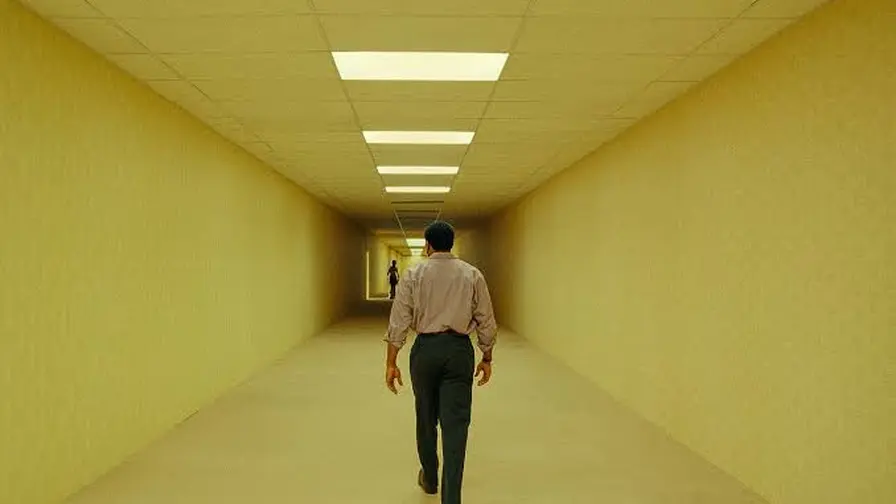
Parsons treats the Backrooms like a laboratory of ideas. What if the scariest thing isn't a creature lurking in the dark, but the sensation that your surroundings are quietly rewriting who you are? What if liminality—the in-between spaces that feel wrong—becomes a mirror for grief, paranoia, or the erosion of self? These are the questions Parsons threads through images of buzzing ceilings and endless yellow carpet.
Marketing, predictably, took a different tack. Trailers leaned into the genre label. Posters promised fear. It's a sensible commercial move: the cultural DNA of the Backrooms already lived in horror feeds and reaction videos, and horror audiences are reliably engaged. That strategy likely drew viewers who expected a familiar kind of fright. It also set up a tension between what audiences anticipated and what Parsons actually wanted to explore.
Parsons insists the film's chills are a byproduct of its atmosphere, not its purpose.
That distinction matters. When a film is framed primarily as a horror title, viewers hunt for monsters and jump-scares. When a film presents itself as an exploration of psyche and space, the unease has texture: slow, reflective, and sometimes disorienting. Parsons seems to welcome that ambiguity. He wants the Backrooms to be interpreted, turned over, and argued about—rather than consumed and checked off in a single night.
For cinephiles and genre fans, the film raises an appealing question: can a movie inherit an internet myth and still push its themes beyond the surface-level scares that made it famous? Parsons’ answer is layered. The film retains the dread that fans expect, yet it uses that dread to pry open deeper philosophical and psychological doors.
So next time you watch Backrooms, listen for the silence between the flickering lights. Notice what the labyrinth reveals about who the characters were before they entered—and what it insists they become. Will you leave the theater thinking you watched a horror movie, or something stranger?

Leave a Comment
Comments
No comments yet. Be the first.