
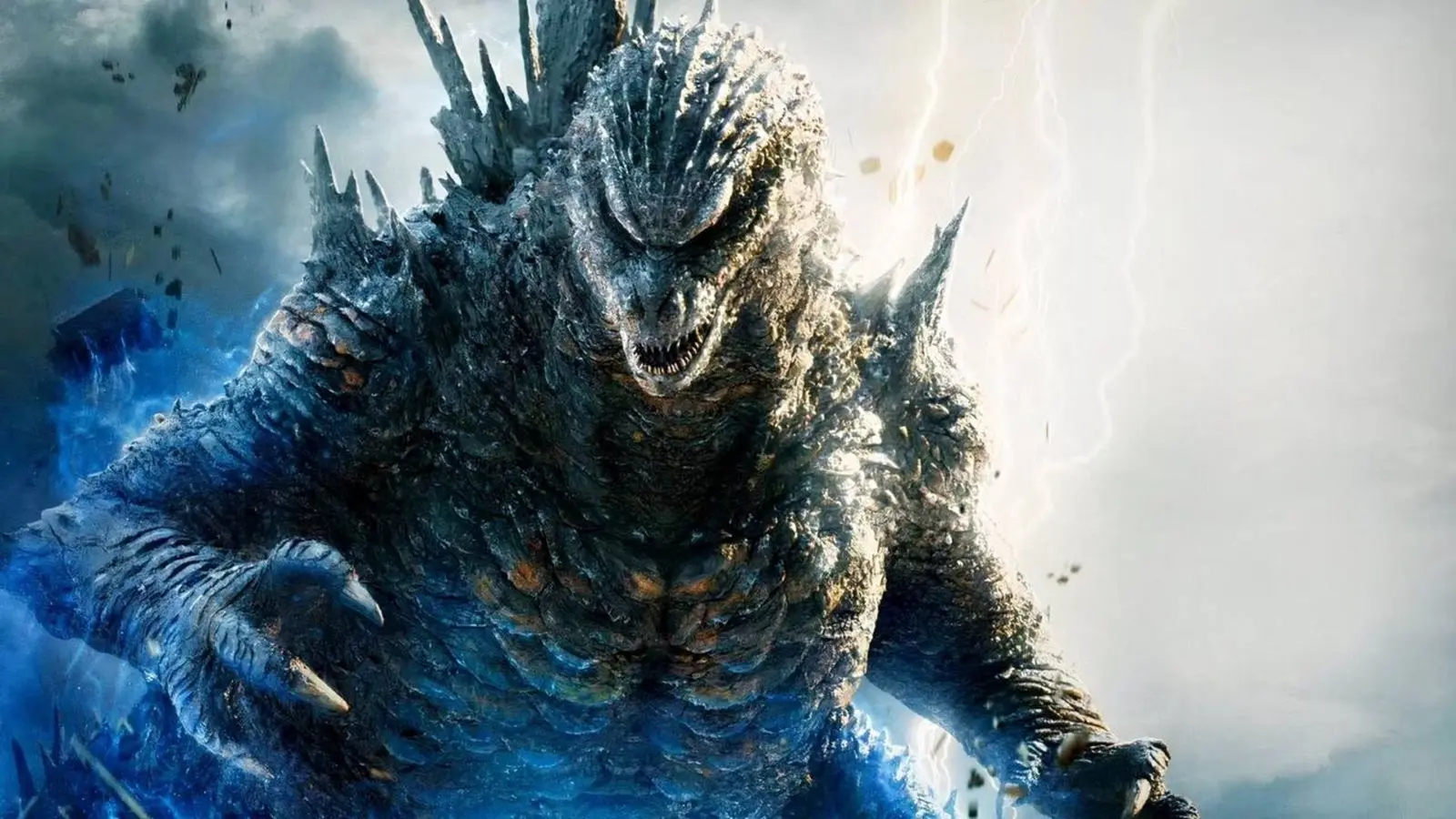
R-rated Godzilla has arrived, and it does not whisper. It stomps. Godzilla Minus Zero opened to early festival buzz and, from the first wave of reviews, seems poised to become one of the franchise's standout sequels.
Following the unexpected global success of Takashi Yamazaki's Godzilla Minus One, which scored an almost unheard-of 99% on Rotten Tomatoes and even took home an Academy Award for visual effects, Minus Zero picks up the thread and turns the volume up. After its New York Film Festival screenings the sequel has landed at 93% on Rotten Tomatoes based on 14 reviews, with an average critic rating of 8.4/10 — a hair under Minus One’s average, but enough to put Minus Zero among the top-rated entries in the franchise.
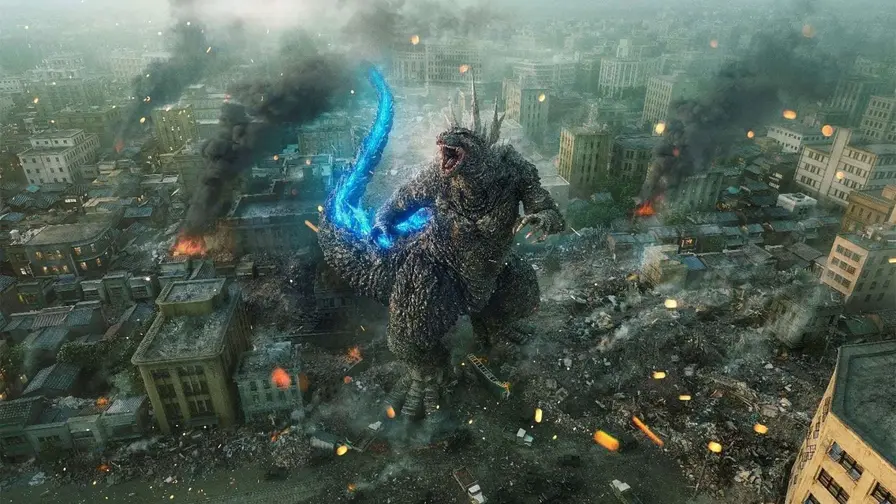
Where this film differs is obvious from the first brutal clash: the franchise has embraced an R rating, and that decision shapes everything. The monster fights are bloodier. The stakes feel heavier. The presence of King Ghidorah, confirmed in the new trailer, promises a showdown that aims for mythic scale. Fans who feared a tamer follow-up can breathe easy; the violence and spectacle are deliberately unflinching.
Critics have responded with a surprising blend of admiration and debate. Some call Minus Zero a superb sequel that builds on Minus One’s emotional core without merely repeating it. Others say it occasionally tips into melodrama, with a few human-plot threads feeling less fully developed than the monstrous set pieces. Still, praise has clustered around the film's ability to balance intimate human fallout — survivors grappling with guilt, trauma from war and catastrophe — alongside spectacle-sized creature combat.
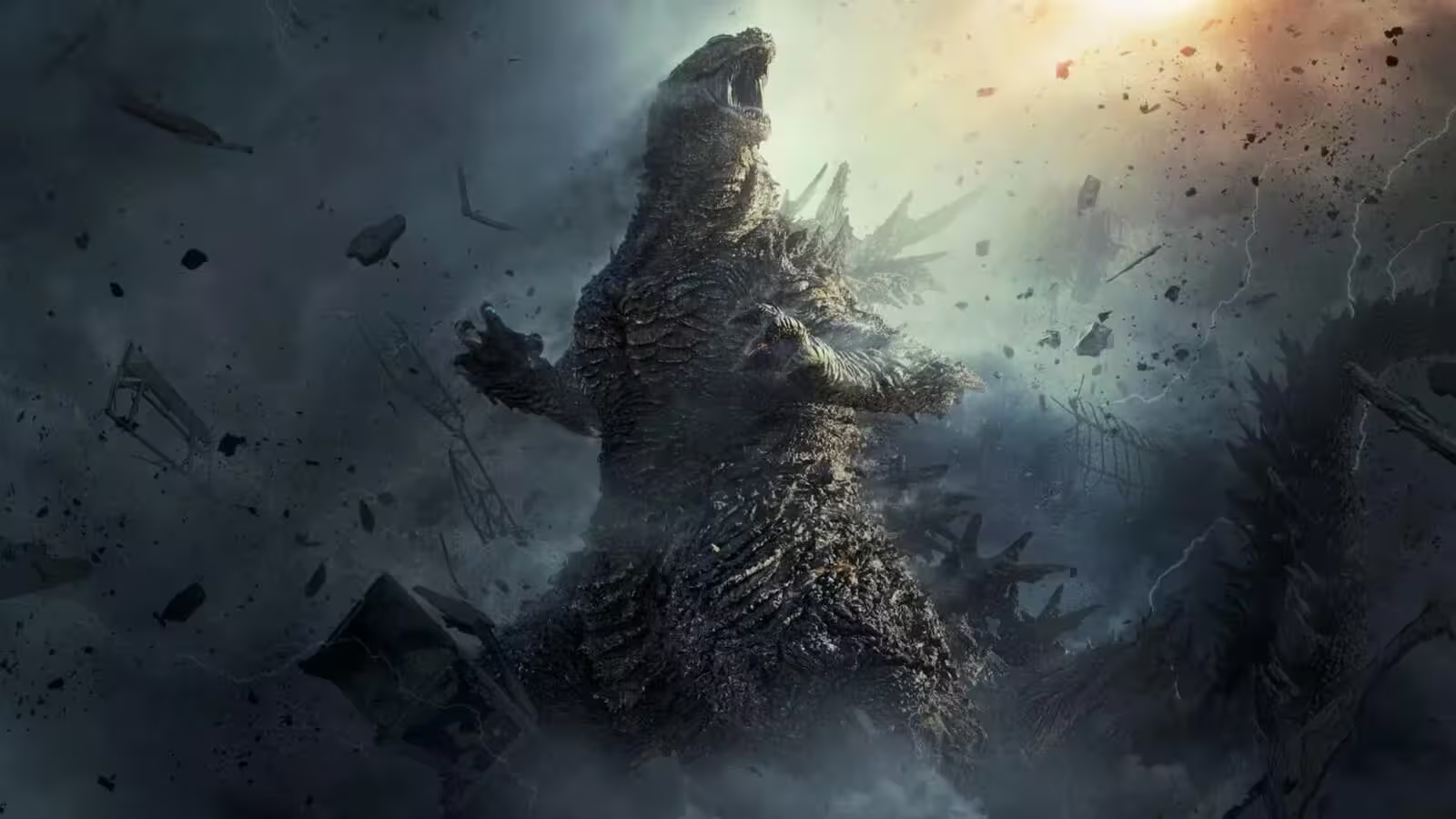
One recurring note: Minus Zero is a technical milestone for Japanese Godzilla cinema. It’s the first domestic entry shot for IMAX and the first to carry an R rating, a pair of firsts that underline Yamazaki’s intent to expand the franchise’s cinematic language. When asked about the tougher rating, Yamazaki reportedly said it wasn’t a marketing ploy but a creative necessity — trimming those moments simply wasn’t an option for the story he wanted to tell.
The film stakes its claim as a new tonal direction for Godzilla: more violent, more cinematic, and more immersive.
Comparisons to the Monsterverse entries are inevitable. Minus Zero outperforms recent Hollywood sequels on Rotten Tomatoes so far — beating Godzilla vs. Kong and Godzilla x Kong: The New Empire — and stands shoulder-to-shoulder with the franchise’s most revered titles like the 1954 original and the surprise hit Minus One.
Cast continuity helps sell the emotional throughline. Many of Minus One’s leads return, including Ryunosuke Kamiki and Minami Hamabe, joined by new faces such as Jun Kunimura and Masami Nagasawa, giving the film both continuity and fresh sparks. And yes: the Ghidorah reveal has set rumor mills spinning about potential allies or cosmic threats that could reshape future kaiju showdowns.
If you measure a Godzilla movie by how it marries human drama with monster cinema, Minus Zero is a loud, bruising argument in favor of the form. It wants to be felt in your chest, remembered in your bones, and debated in the days after the credits roll.
Mark your calendars: Godzilla Minus Zero opens in U.S. theaters on November 6 — come for the fights, stay for the fallout, and decide for yourself whether this is the sequel the franchise needed.

Leave a Comment
Comments
No comments yet. Be the first.