
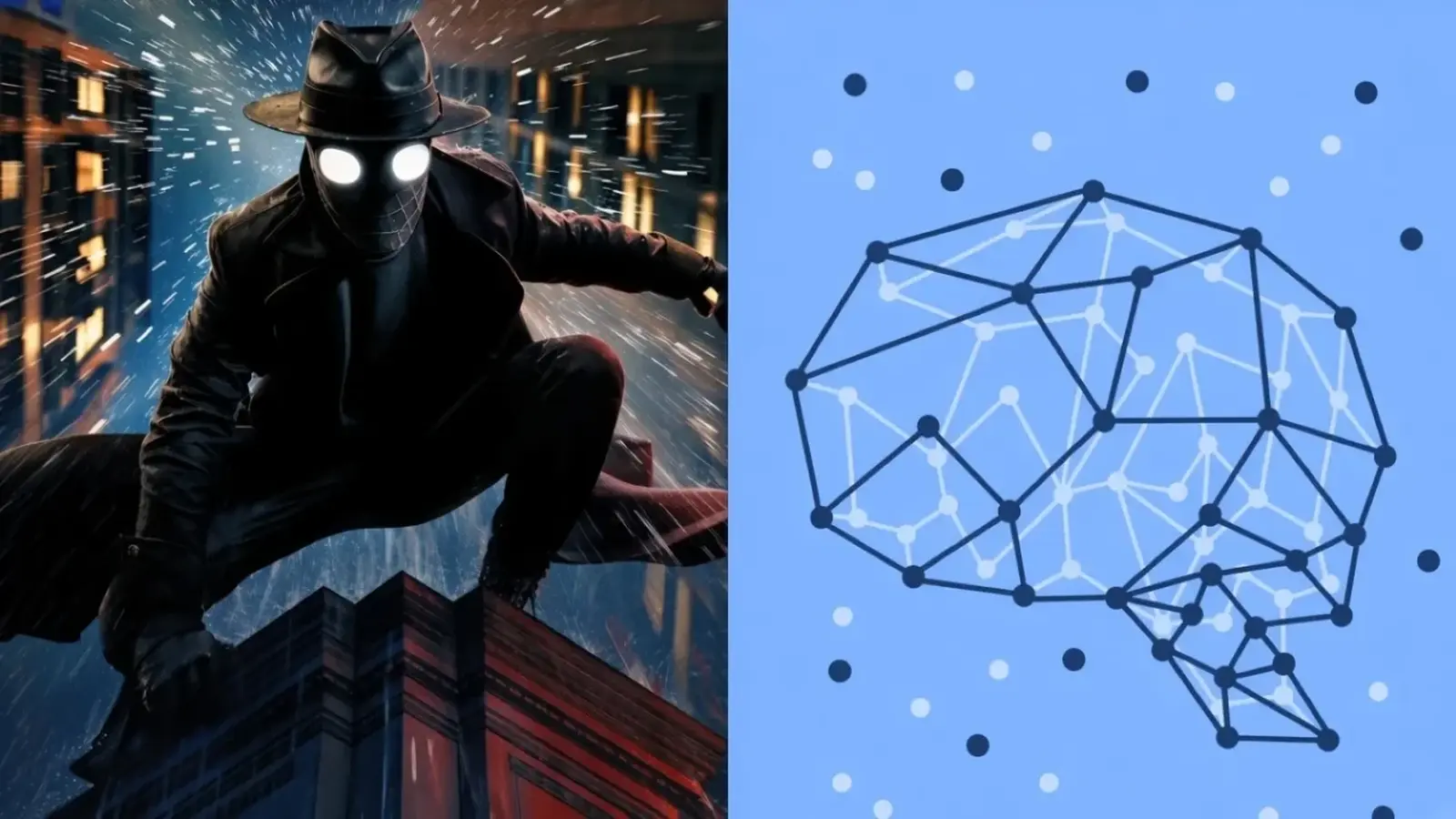
Nicolas Cage was blunt on the New York Comic Con stage: he refused to sign an AI release tied to Amazon’s Spider-Noir, and that stand might cost him future work with the studio. Short sentence. Big consequence.
At a panel, Cage explained that he’s simply not comfortable with artificial intelligence being used in ways that affect actors’ images or performances. He singled out Amazon’s enthusiasm for the technology — even mentioning the company’s high-profile investment in OpenAI — and drew a clear line. "I am not an actor who agrees with AI," he said, and then noted that he didn’t sign the consent form allowing AI use on Spider-Noir.
He refused to sign a release permitting AI use of his likeness on the show.
Details remain sparse. Cage didn’t outline exactly how Amazon intended to apply AI — whether to recreate facial expressions, alter performances, or synthesize voice — and the studio had no immediate public comment following TheWrap’s reporting. So the specifics are unknown. What we do know is that a veteran actor chose principle over paperwork.

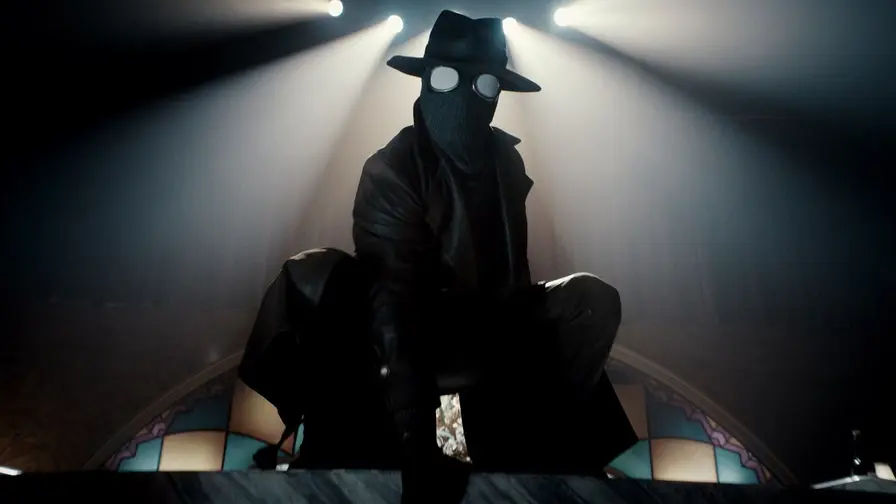
Spider-Noir itself is a strange and striking case. Cage played Ben Reilly, a private-eye reimagining of Spider-Man set in 1930s New York. The series’ noir styling, period costumes and genre-bending tone set it apart from typical superhero fare. Critically, it resonated enough to earn 11 Emmy nominations and generate roughly 2.6 billion minutes of viewing in its first six weeks, according to Nielsen. Yet Prime Video opted not to pursue a second season.
Cage reacted to the cancellation with surprising calm. He told fans one season was enough to tell this particular story and praised the show’s ambition. But his NYCC comments shifted the conversation away from renewal stats and straight into a broader debate about control over an actor’s image in the age of machine learning.
Hollywood’s arguments about AI are no longer hypothetical. Are digital doubles a convenience or a threat? Can studios ethically recreate a performance without clear, informed consent? Beyond fears of replacement lie subtler concerns: control over likeness, the right to decline future uses, and how residuals or credits should work when an actor’s face or voice is synthesized.
For Cage, the decision was personal and public. Saying he likely won’t work with Amazon again is as much a stance as a prediction. He didn’t close the door definitively, but he did make it clear where he stands.
The wider industry will be watching. As streaming platforms and studios blend archival footage, digital doubles and generative tools into production workflows, one question looms: when artists push back, will studios listen—or simply move on? The answer may reshape the bargain between performers and the companies that market their likenesses.

Leave a Comment
Comments
No comments yet. Be the first.