
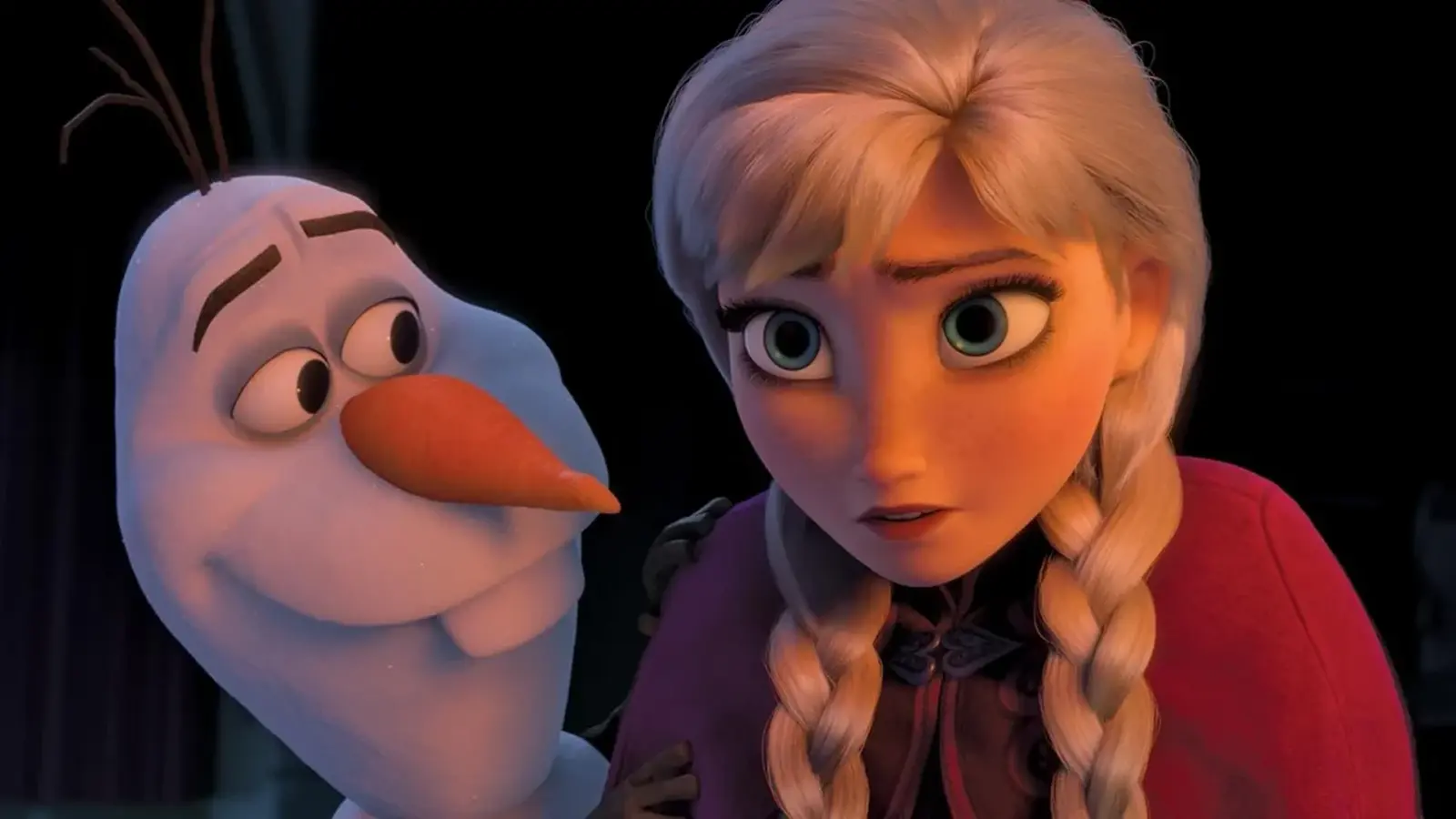
A doll every 1.5 seconds. Small, but relentless. That cadence—60,000 toys a day on average since 2016—sums up a phenomenon that keeps growing, not fading.
License Global reports that the Frozen franchise has moved more than 216 million toys in that span. The figures read like a retail heartbeat: consistent, fast, and surprisingly durable. And Disney says this momentum isn’t a blip. For more than a decade the franchise has cleared the $1 billion mark in annual retail sales.
Frozen has generated over $1 billion in retail sales every year for more than a decade. The window covers the original 2013 film, the 2019 sequel, and the years of licensed product rollouts that followed. But the franchise’s commercial muscle doesn’t end with figurines and plushies. Disney has been methodical about turning cinematic affection into a lifestyle presence—clothing, accessories, jewelry, playsets, and even kids’ footwear.
Why does Frozen keep resonating? Partly because it spans generations. Kids who saw the first film in theaters are now adults, and a new generation of children is discovering Elsa, Anna, and Olaf for the first time. That emotional continuity—parents who want to share a nostalgic piece of their childhood with their kids—creates a rare, multi-generational market that retailers and license partners can tap year after year.
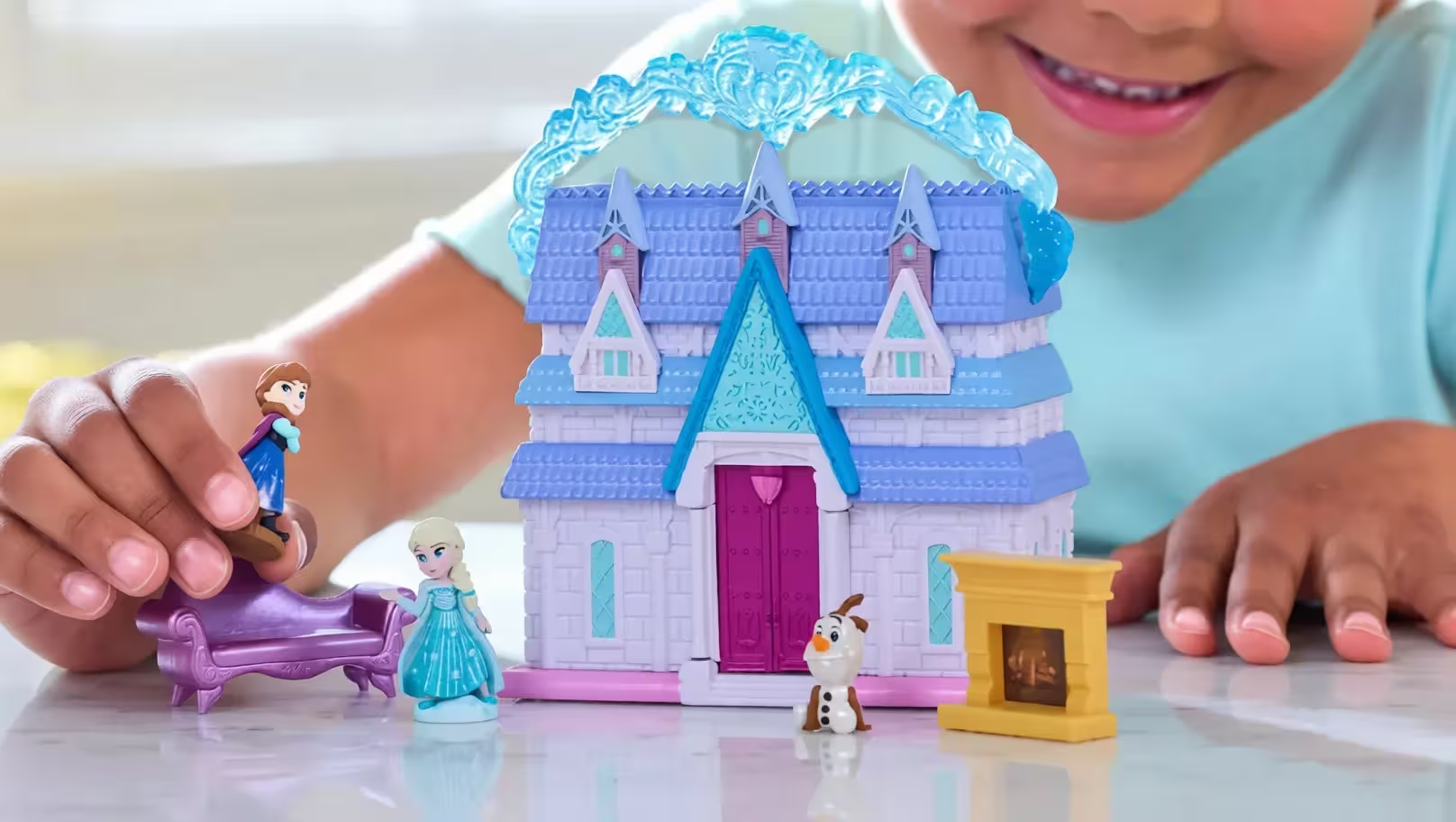
Disney Consumer Products is sharpening that edge as Frozen 3 approaches its November 2027 release. The company is expanding licensed ranges and leaning into collaborations with familiar partners: LEGO and JAKKS Pacific for building sets and play pieces, Mattel for a new doll line debuted alongside short-form storytelling, and Adidas launching Frozen-themed kids’ soccer shoes embellished with snowflake and crystal motifs. Even small tie-ins matter; at this year’s Frozen Fan Fest, a short story from the Off the Page Adventures series titled The Night Before the Royal Fitting helped bridge storytelling to product drops.
Paul Gitter, executive vice president of global brand commercialization at Disney Consumer Products, frames Frozen as a core growth engine. His approach is straightforward: use storytelling as the connective tissue, then layer licenses and product innovation on top to create more ways for fans to interact with the world of Arendelle. New categories. New touchpoints. Same characters people care about.
The strategy is commercial, yes, but also cultural. Merchandise is a way of keeping the franchise visible between films, and creative partnerships let Disney reach fans in places films alone cannot—playrooms, sport fields, wardrobes, and gift lists. It’s a long-game play: a cinematic universe that translates into everyday objects, where seasonal product cycles and storytelling releases sustain interest until the next big screen moment arrives.
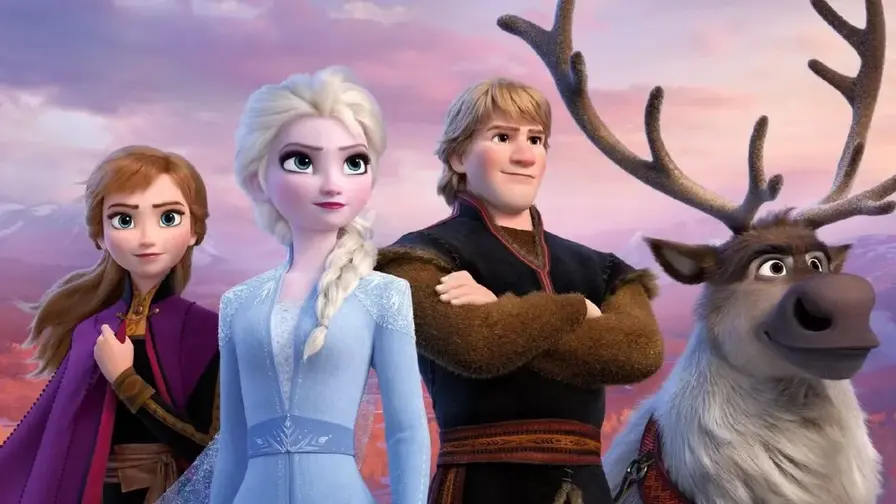
When Frozen 3 hits theaters in November 2027, expect more than ticket sales. Expect an expanded marketplace: more licensed drops, more collaborations, and more ways for different generations to keep claiming a piece of the story. The snowflake is still falling—and it’s decorating aisles around the world.

Leave a Comment
Comments
No comments yet. Be the first.