
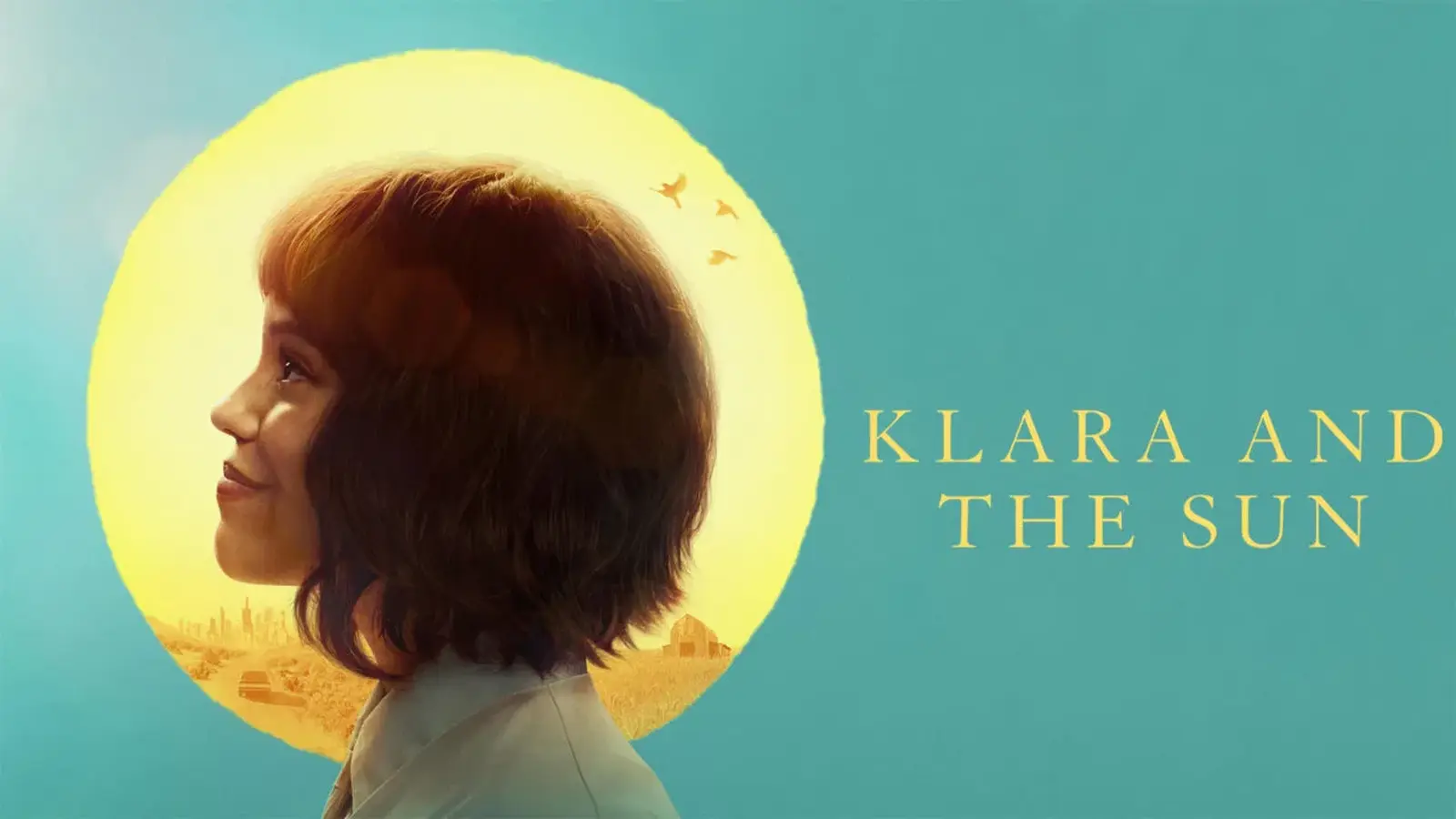
Taika Waititi’s name once promised playful offbeat charm. On Klara and the Sun, that promise meets confusion. Critics have not been kind.
Adapted from Kazuo Ishiguro’s 2021 novel, the film follows Klara, an artificial companion bought to keep company with a sick girl named Josie. It’s a quiet premise with huge questions about personhood, empathy and the place of technology in our lives. Waititi co-wrote the script with Dave Wallers and assembled a notable cast—Jenna Ortega leads, with Amy Adams, Steve Buscemi and Natasha Lyonne among those rounding out the ensemble.
The world on screen is a softly dystopian future: genetic advances have hardened social divisions and human value is measured in troubling new ways. Klara, designed as an empathetic companion, is not the latest model anymore—she is relic and witness. What should have been an intimate, probing study of what it means to be human instead often drifts. The focus slips away from Klara’s narrow, curious vantage point and toward broader beats that the film struggles to earn.

Numbers tell part of the story. Rotten Tomatoes registers 34 critic reviews and a low approval rating of roughly 26 percent, while Metacritic lists 15 reviews and scores the film at 29 out of 100. Those aggregates reflect a pattern: praise for performances and moments of visual invention, but widespread disappointment with tone and thematic reach.
Some critics found merit. Screen Daily’s Dave Calhoun (60/100) flagged strong performances and striking images that sometimes elevate the material into something fable-like and otherworldly. Empire’s Helen O’Hara (60/100) pointed to Jenna Ortega’s central performance as a possible bridge for skeptical viewers—she’s often the heart of the film—yet even she can’t fully smooth over a movie whose tone keeps tugging in different directions.
Others were far less forgiving. Screen Rant’s Ben Gibbons (50/100) wrote that the film fails to capture the careful, almost surgical dystopia of Ishiguro’s book, swapping precision for clumsy sci-fi humor and a message that feels thin. The Independent’s Clarisse Loughrey (40/100) argued the novel’s probing questions about identity and future selves are sidelined in favor of a simpler story about love and friendship—an unfortunate narrowing, she suggests.
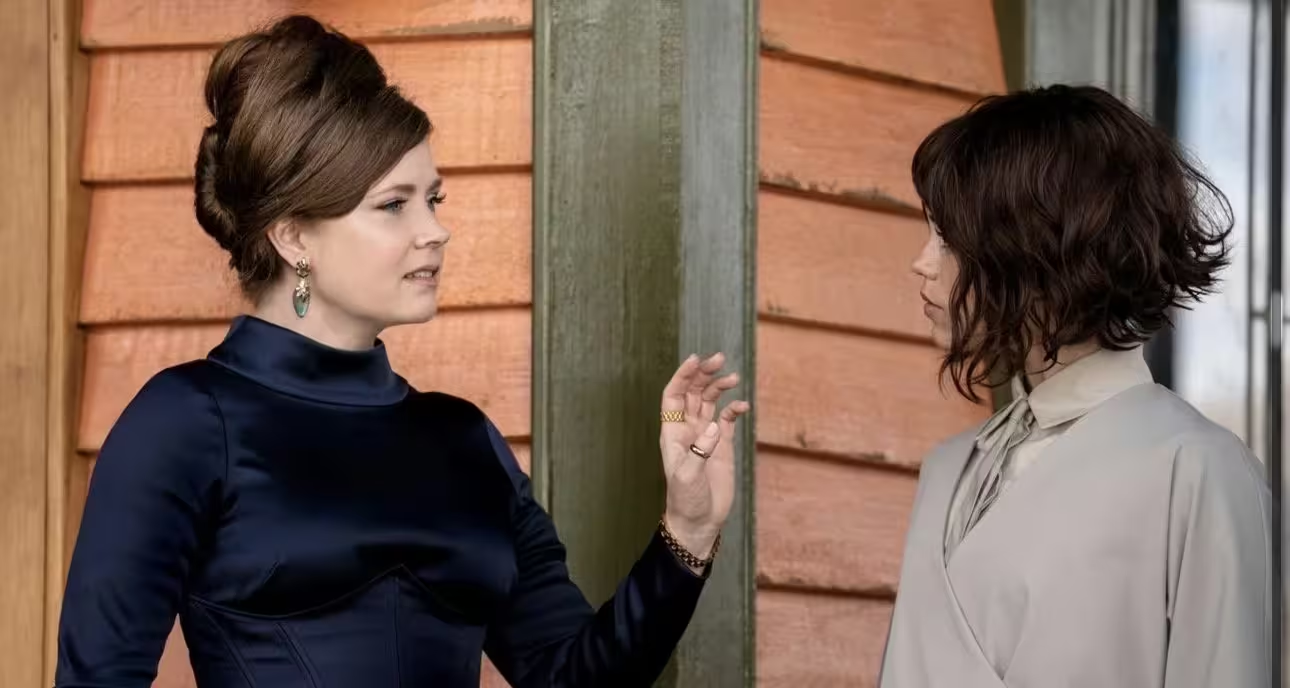
Some responses border on scathing. The Daily Beast (25/100) accused the film of allowing its creator’s eccentricities to tip into cloying sentiment. IndieWire’s Ryan Lattanzio (25/100) said the movie retreats from the hard, honest inquiries at the heart of Ishiguro’s work, reducing them to surface-level emotional beats without much curiosity about deeper answers. Major outlets were blunt: The Guardian’s Peter Bradshaw gave it 20/100, calling it a mild, uninvolving piece that misreads its own emotional cues; The Telegraph’s Tim Robey, also at 20/100, labeled it a misjudged effort that sometimes feels immature in its execution.
Read together, the reviews sketch a consistent picture. The film contains sparks—a committed central performance, inventive visuals, and moments that recall Waititi’s knack for odd tenderness. But those sparks rarely coalesce into the illuminating whole many hoped for when a celebrated director tackled an acclaimed novelist’s work. The adaptation’s tonal inconsistencies and choice to broaden scope beyond Klara’s singular perspective left many feeling that something essential had been lost in translation.
Adaptations are always a bargain with risk. You can admire the courage to reimagine a beloved book. You can also, validly, ask whether the new shape honors what made the original resonate. With Klara and the Sun, audiences and critics alike will be debating that question for a while—are you ready to decide for yourself?

Leave a Comment
Comments
No comments yet. Be the first.