

An image stays with you: a child's small hand, trembling in a vast park after a violent incident. It's that kind of scene—sharp, uncluttered, almost unbearable—that Beth de Araujo uses to steer Josephine into territories most mainstream dramas avoid.
De Araujo wrote, directed and produced this intimate psychological drama about an eight-year-old named Josephine whose world fractures after witnessing a brutal assault in San Francisco's Golden Gate Park. The movie doesn't rush to explain. It lingers on small gestures, on the uneven ways a child rebuilds trust. The result is porous and raw: trauma shown through the minute habits that follow an impossible event.
Channing Tatum and Gemma Chan anchor the film as Josephine’s parents, and their chemistry is quietly unsettling. They are familiar performers, but here they reveal new, jagged layers—parents shaped by their own histories, fumbling toward protection but sometimes missing the mark. Mason Reyes, Philip Ettinger and Sierra McCarthy round out the cast, with Reyes delivering an especially striking, naturally lived performance for a young actor.
Critics have responded strongly. On Rotten Tomatoes, Josephine holds an impressive 96 percent from 99 reviews, and Metacritic reports an 86 from 15 critics. Those numbers reflect more than technical praise; reviewers highlight the film's emotional accuracy and the director's courage in portraying difficult subject matter without cheap melodrama.
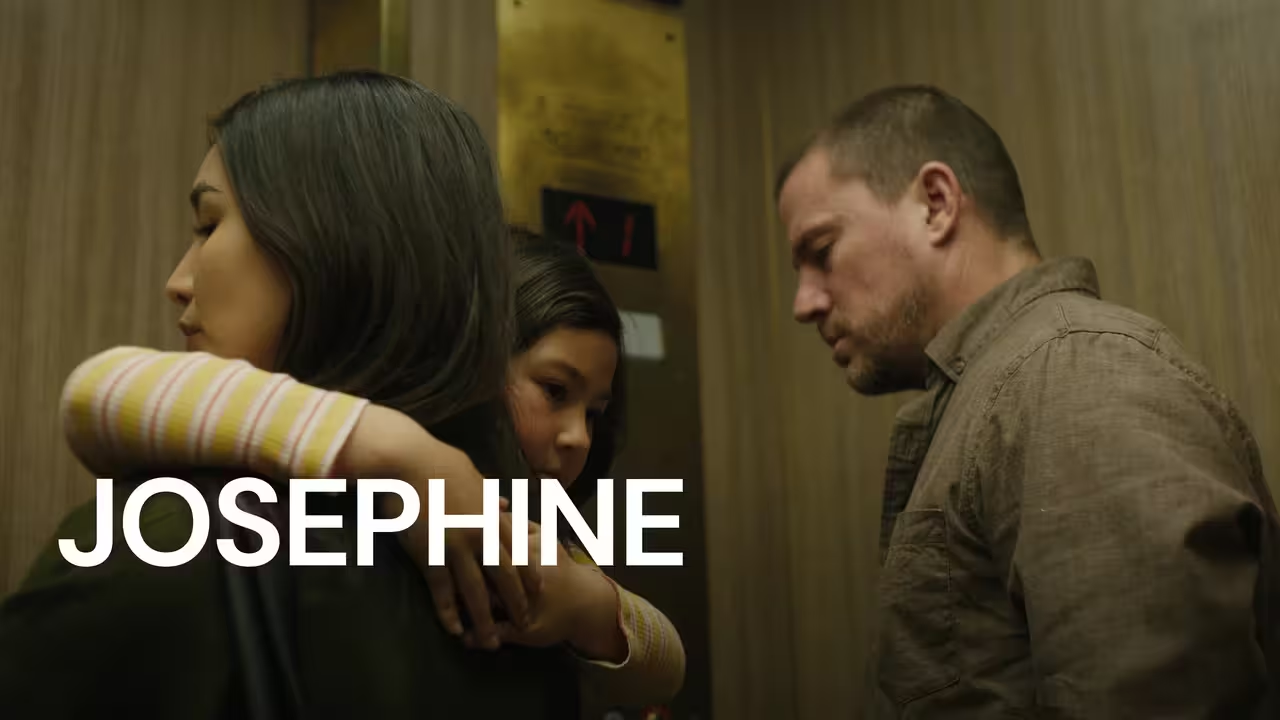
Notable voices have weighed in. Variety’s Peter Debruge awards the film top marks, calling it a brave probe into how sexual violence reverberates through private life. The Playlist’s Carlos Aguilar argues there’s no neat moral shorthand here—only the stubborn value of small acts of empathy and courage, however imperfect. IGN’s Siddhant Adlakha singles out Mason Reyes and the parents’ layered portrayals, describing the film as simultaneously tender and devastating.
Other critics emphasize craft. IndieWire praises de Araujo’s control over tension, noting that every twist feels both surprising and inevitable. Collider and Screen Daily point to a steady thread of hope woven through darkness, crediting the film for resisting relentless bleakness. Even reviews that land more cautiously—The Guardian and The Hollywood Reporter among them—agree the performances ground the film, especially when the screenplay leans toward explicit explanation.
There are dissenting notes, too. Some reviewers find the film occasionally sentimental, or argue that at times it spells out trauma’s effects rather than letting them accumulate naturally. Yet even those critiques often concede that the emotional impact remains potent, driven largely by the child’s perspective and a filmmaking voice unafraid to dwell in discomfort.
What makes Josephine linger is not just its subject but its gaze. This is a movie that cares about aftermaths—the small, private ways people try to stitch back the fabric of daily life after violence. It’s less interested in spectacle and more invested in the quiet arithmetic of healing, of how a family recalibrates around fear and loyalty.
Seen through the eyes of an eight-year-old, the world feels both fragile and enormous. De Araujo lets us live there for a while: in the halting attempts at normalcy, the repeated questions that have no easy answers, the moments of unexpected tenderness. It's cinema that asks you to stay with its unsettled rhythms rather than offer tidy resolutions—so you'll leave thinking about it long after the credits roll.


Leave a Comment
Comments
No comments yet. Be the first.