

In the hush before a curtain, a single actor can make the room hold its breath. Elsinore insists on that hush — and then pulls you, sometimes painfully, into the light.
Simon Stone’s film, written by Stephen Beresford, traces the final months in the life of Ian Charleson as he prepares to play Hamlet at the National Theatre while battling AIDS. It’s a portrait that refuses to romanticize suffering. Instead, it lays out the stubbornness of an artist who will not leave the stage, even as his body betrays him.
Andrew Scott takes the lead as Charleson, delivering a performance that critics call both ravaging and radiant. Olivia Colman appears as Dr. Margaret Johnson, his physician and reluctant ally. The supporting cast—Billie Piper, Johnny Flynn, Luke Thompson, David Dawson, Matthew Beard, Joe Locke, Juliet Stevenson and Peter Mullan—populate a world where rehearsal rooms and hospital corridors blur into one another.
The film is as much about the theatre as it is about the human cost of devotion. There’s art. There’s duty. There’s the shame and secrecy that shadowed the AIDS crisis in London, and the stubborn humor Charleson used as armor. Stone stitches these elements together in a film that asks: what does it mean to perform when the stakes are life and death?
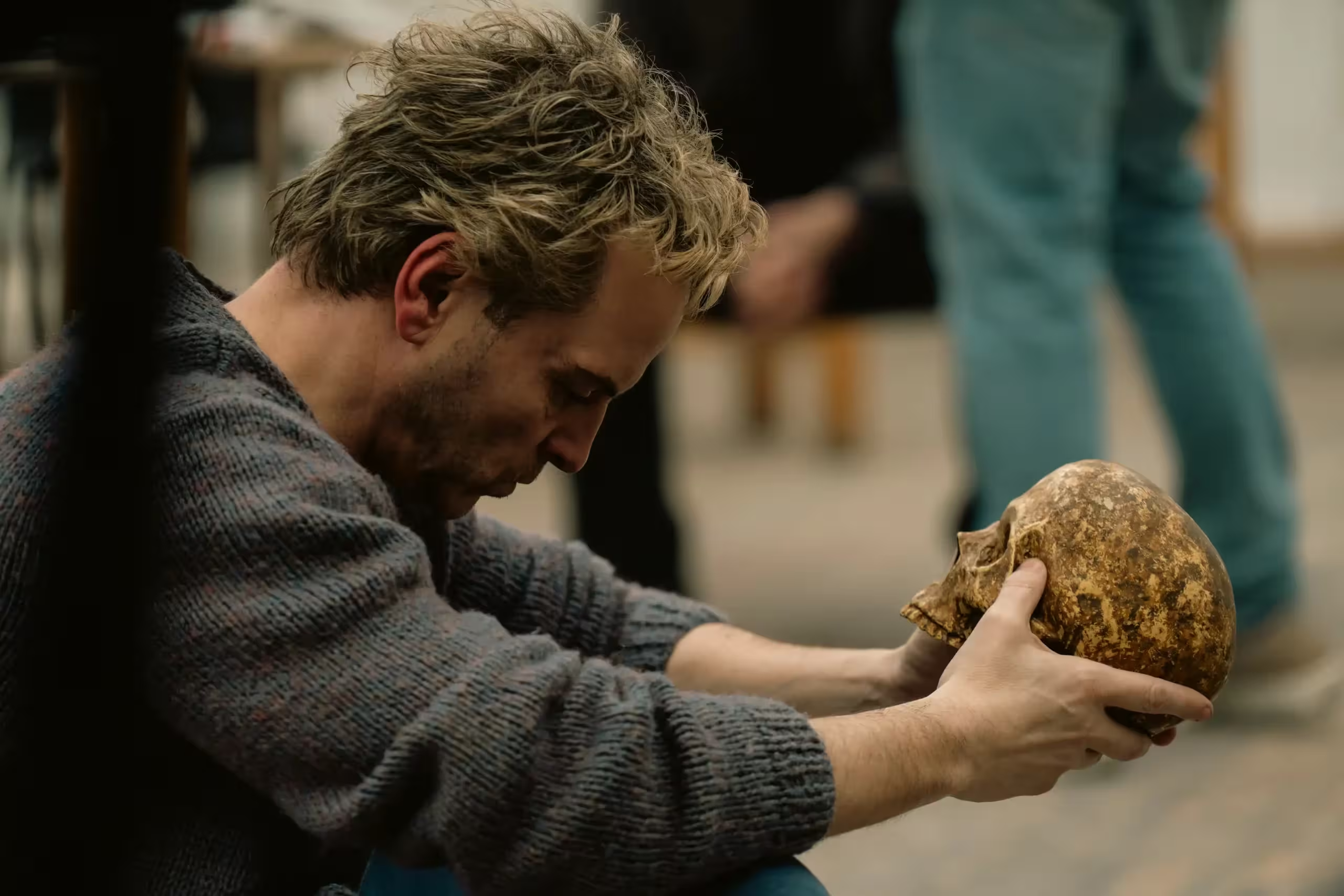
Critics have been largely favorable. On Rotten Tomatoes, Elsinore holds an 88% score from 60 reviews. Metacritic reports a 73 out of 100 from 18 critics. Numbers, though, only tell part of the story.
At the highest end, The Playlist awarded a 91, calling Scott’s turn ‘‘the role of a lifetime’’ — a performance that keeps unfolding in ways you didn’t expect. Variety and Screen Daily both landed in the 90s as well, praising the film’s emotional thrust and Scott’s capacity for vulnerability. These reviews underline how an actor can transform a biographical subject into something immediate and alive.
Other outlets followed with strong, if more measured, applause. TheWrap noted the film’s occasional drift toward melodrama but insisted this was in keeping with Shakespearean intensity. The Hollywood Reporter and The Guardian, both scoring around 80, highlighted the film’s emotional power and its vivid evocation of London during the AIDS crisis — moments that brought many viewers to tears at Toronto.
Collider and The Telegraph delivered the same message in plain terms: plan for tissues. Screen Rant, slightly more reserved at 70, pointed out structural choices that sometimes flatten momentum, even as it praised Scott’s authenticity. And that authenticity is key: Scott inhabits Charleson not as an icon but as a messy, living person.
Not every critic was convinced. IndieWire and Slant landed near the midpoint, criticizing the film’s muted palette and a visual approach they felt made the viewing experience bleak without counterpoint. The Film Stage was harsher, arguing the movie too often reads like an unedited reel of performances instead of a fully formed cinematic argument.
So where does Elsinore ultimately sit? It’s complicated. The film’s editing and some stylistic choices blunt certain dramatic peaks. Yet the portrayal of a man playing Hamlet while holding his own mortality in one hand is bracing. Scott’s depiction — the jitter, the wit, the exhaustion — gives the film its charge.
Andrew Scott gives a career-defining performance that anchors a film both courageous and imperfect.
Watch for the duality: Charleson onstage and Charleson offstage, Hamlet echoing his creator’s fight. The cinematography sometimes favors a gray, austere look meant to mirror decline; the sound of rehearsals and hospital beeps weave into a single rhythm. It doesn’t always land cleanly. But when it does, the effect is unforgettable.
Elsinore won’t be everyone’s favorite. It asks you to sit with discomfort. It asks you to watch a talented actor refuse to let his role be reduced to a headline. It also asks whether theater — and cinema — can offer any kind of salvation when the world is most unforgiving. Go see it. Decide for yourself.


Leave a Comment
Comments
No comments yet. Be the first.