
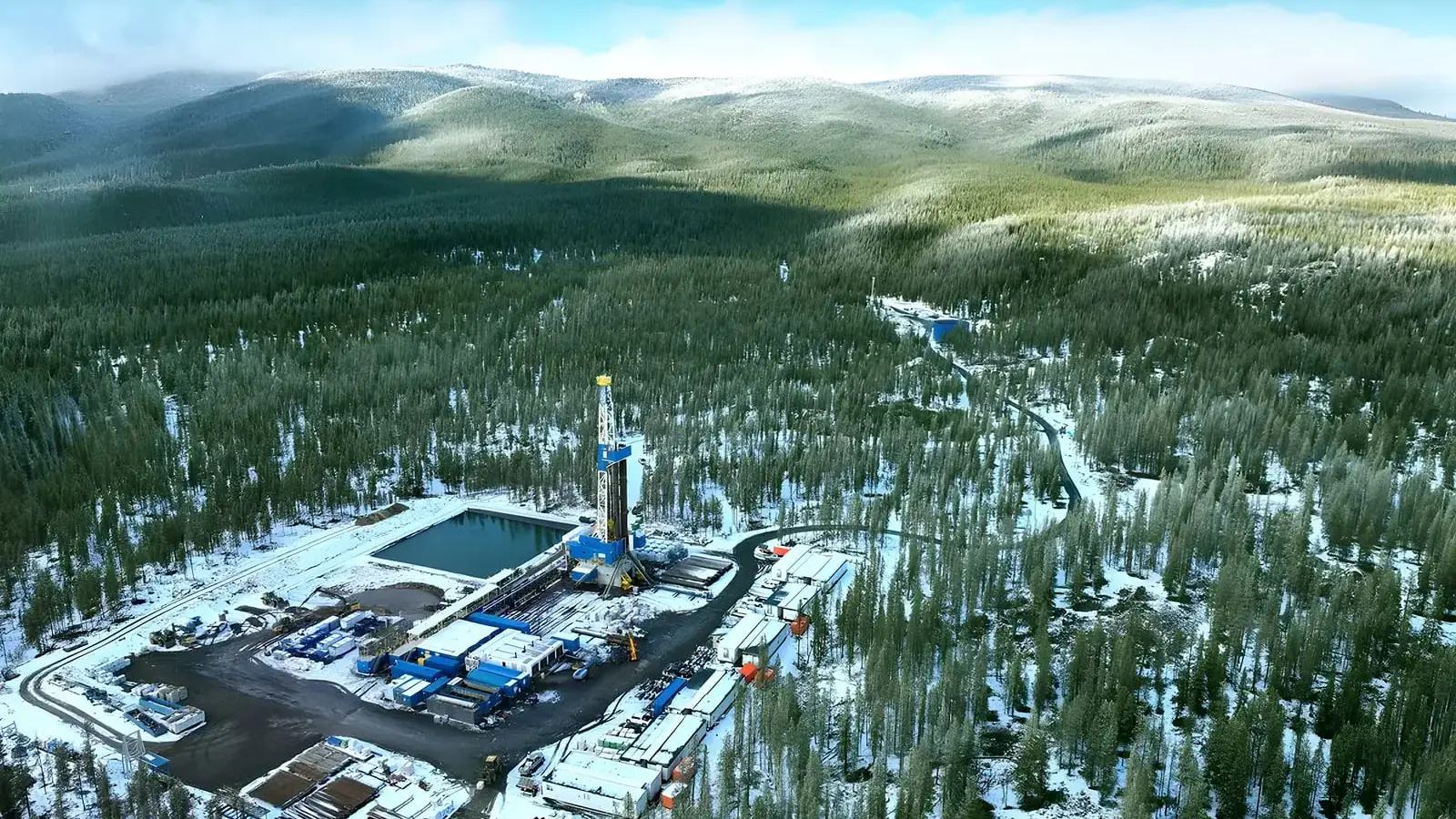
Google has signed a power purchase agreement to buy 50 megawatts of continuous electricity from Quaise Energy's Project Obsidian, a high-temperature geothermal plant in Oregon expected to supply power to Google's The Dalles data center and the surrounding grid from 2030 or earlier.
Quaise is developing a drilling method that uses high-power millimeter-wave energy from a device called a gyrotron to melt and evaporate rock, enabling boreholes to extend to about 20 kilometers without a mechanical drill bit contacting the rock.
The gyrotron concept was developed in the former Soviet Union and later used by researchers at MIT to heat plasma in fusion research, Quaise says. In Quaise's design, vaporized rock is removed from the hole by a gas stream rather than by mechanical cutting.
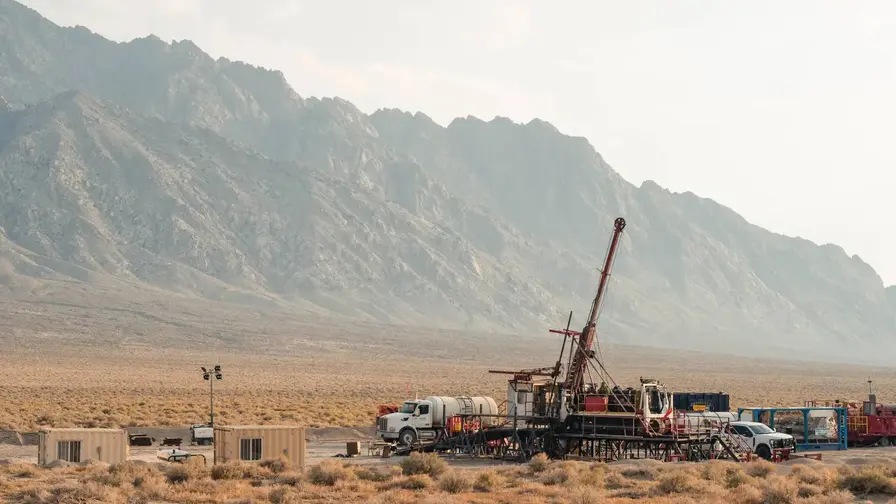
Conventional drilling equipment struggles above roughly 200 to 260 degrees Celsius because heat damages drill bits, seals, and downhole electronics. Quaise aims to reach depths where temperatures can approach 500 degrees Celsius.
Accessing such depths would allow use of water in a supercritical state above about 374 degrees Celsius and sufficient pressure, which Quaise claims could make each geothermal well up to ten times more productive.
Project Obsidian will sit on the southern flank of the Newberry volcano in Oregon, a site chosen for its relatively shallow high-temperature resources. Quaise plans a two-phase build: initial wells using conventional drilling to tap very hot resources, followed by deployment of millimeter-wave equipment to extend wells deeper.
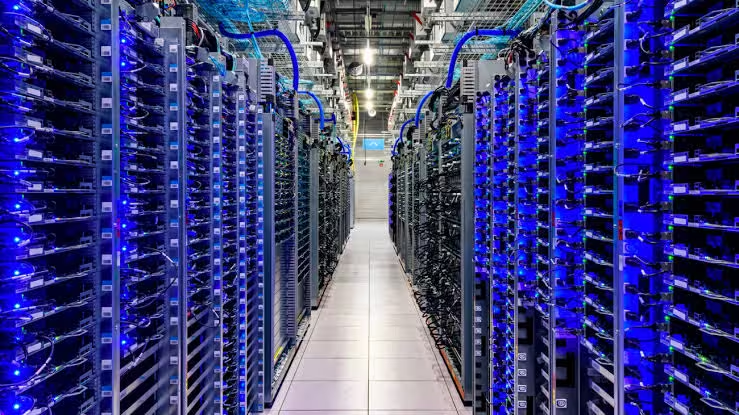
Demand from AI workloads, cloud services, and expanding digital infrastructure has driven data center power needs higher, with some large campuses requiring hundreds of megawatts. Companies have explored options including new nuclear plants and restarting older facilities; Google is pursuing advanced geothermal with Quaise.
The millimeter-wave rock-evaporation technique has not yet seen widespread commercial deployment, and the Obsidian project will serve as an early large-scale test of its technical and economic viability, Quaise and Google say.

Leave a Comment
Comments
No comments yet. Be the first.