
4 Minutes
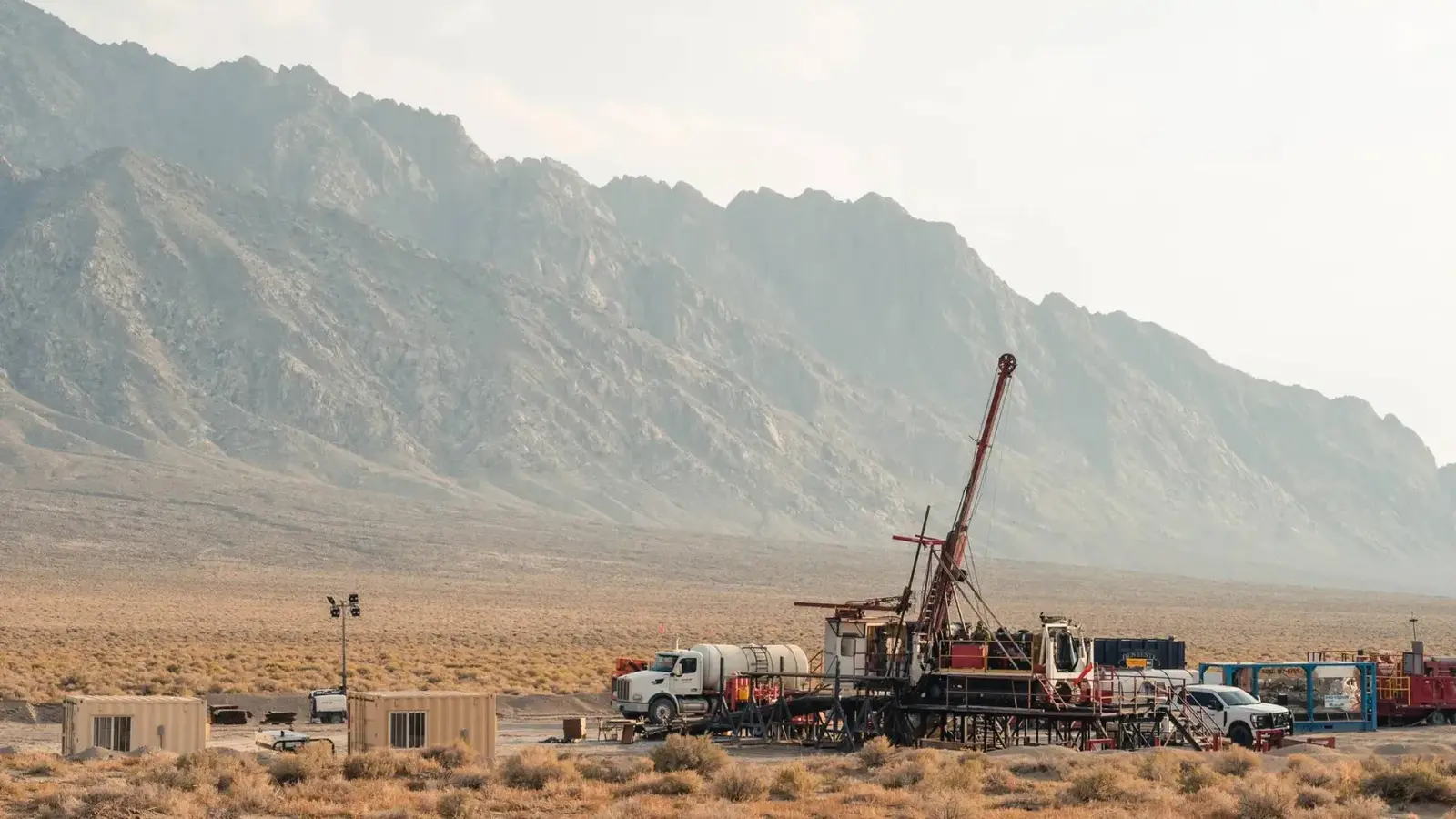
An American startup says artificial intelligence has pinpointed a concealed geothermal system in Nevada that could generate enough heat to feed a power plant. The find highlights a growing belief that many untapped, high-temperature reservoirs lie below the Western U.S. — and that new tools could change how we hunt them.
How AI is mapping heat where nothing appears on the surface
Zanskar, a California startup, uses machine learning to analyze vast geological datasets and flag likely “hidden” geothermal systems — reservoirs that sit deep underground with no visible surface springs or steam vents. Founders Karl Hoyland and Joel Edwards say their models have repeatedly identified hot spots in areas the geothermal industry has largely ignored. "When we started the company, the refrain was that geothermal is dead," Hoyland says. "Now, better data and algorithms let us find these sites systematically and reduce the exploration risk."
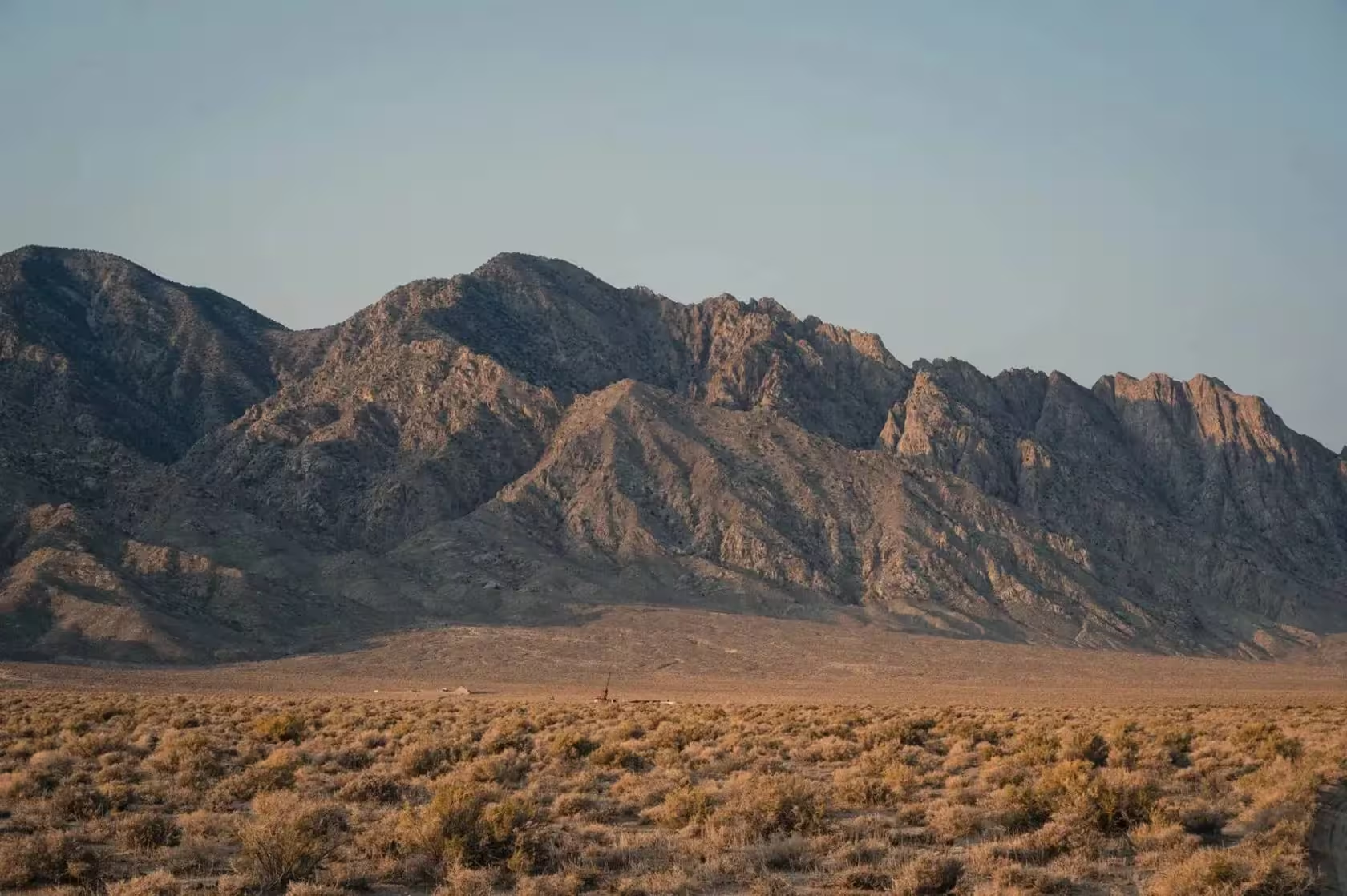
Hidden, or "blind," systems are challenging because they leave few surface clues. Historically they were discovered by chance — during agricultural drilling, mineral exploration, or oil and gas work. Zanskar's approach stitches together fault patterns, electrical conductivity surveys, gravity data and other measurements to build a probabilistic map of where heat and fluid are likely stacked in the crust.
Why Nevada — and why this matters
The Western U.S. is prime real estate for geothermal power because tectonic activity and thinner crust make hot rock and deep aquifers more accessible. The largest developed geothermal field in the world is in California, built on springs humans used for millennia, and the first plant there began running in the 1920s. But most high-temperature resources remain buried.
Zanskar reports that the Nevada discovery shows their models can find reservoirs potentially hot and productive enough to feed a power plant. The company cautions that deeper tests — notably drilling to measure reservoir temperature, permeability and flow rates — are still required to confirm commercial viability. "This finding signals to the market that the site could eventually generate power," Edwards says.

New tools, old estimates — and bigger potential
Interest in untapped geothermal resources is not new. During the 1970s oil crisis, the U.S. federal government funded mapping programs in Nevada to systematically search for hidden systems. Those efforts yielded valuable datasets but funding later shifted toward other energy technologies, like solar, wind and nuclear. By some measures, geothermal now supplies less than 1% of U.S. electricity.
A 2008 government assessment estimated undiscovered geothermal systems might supply roughly 30 gigawatts — enough for over 25 million homes. But experts such as James Folds, who helped catalog thermal features and develop detection techniques, argue those figures may be conservative. With modern data processing, deeper drilling and improved tools, the United States could tap tens — even hundreds — of gigawatts from hidden reservoirs.
.avif)
EGS versus blind systems: two paths to geothermal growth
Much of today's excitement focuses on engineered geothermal systems (EGS), which deliberately fracture hot rock (a process somewhat similar to hydraulic fracturing) to create a heat-exchange network where none naturally exists. Companies like Fervo have already started commercial pilots — one plant began powering a Google data center in Nevada in 2023.
EGS reduces dependency on naturally occurring reservoirs but involves additional engineering, water use and the risk of inducing small earthquakes. Conversely, locating and directly tapping blind systems can be simpler: if a high-temperature aquifer exists, developers can drill and connect a plant without first creating a fracture network. Both approaches likely have roles in scaling geothermal power.
Practical hurdles and the next steps
- Verification: Drilling remains essential. Only deep well tests can confirm temperature, permeability and flow — the factors that determine how much electricity a site can produce.
- Environmental trade-offs: EGS requires water and can cause microseismicity; conventional geothermal has smaller footprints but depends on naturally favorable geology.
- Cost and engineering: Extracting heat at greater depths and temperatures needs advanced drilling technologies and economics that can compete with other low-carbon options.
For now, Zanskar's Nevada announcement is a proof point for AI-assisted exploration: algorithms can narrow search areas and prioritize drilling targets, reducing the gamble that has long plagued geothermal development. As drilling tools improve and data science matures, hidden heat under our feet may become a much larger part of the clean-energy mix.


Leave a Comment
Comments (2)
Wow finally, hidden heat tech could change the game! If true, big win for clean energy. Fingers crossed...
AI found heat but is this for real? drilling is expensive, water, quakes, lots of unknowns. Promising headline, show the well data pls.