
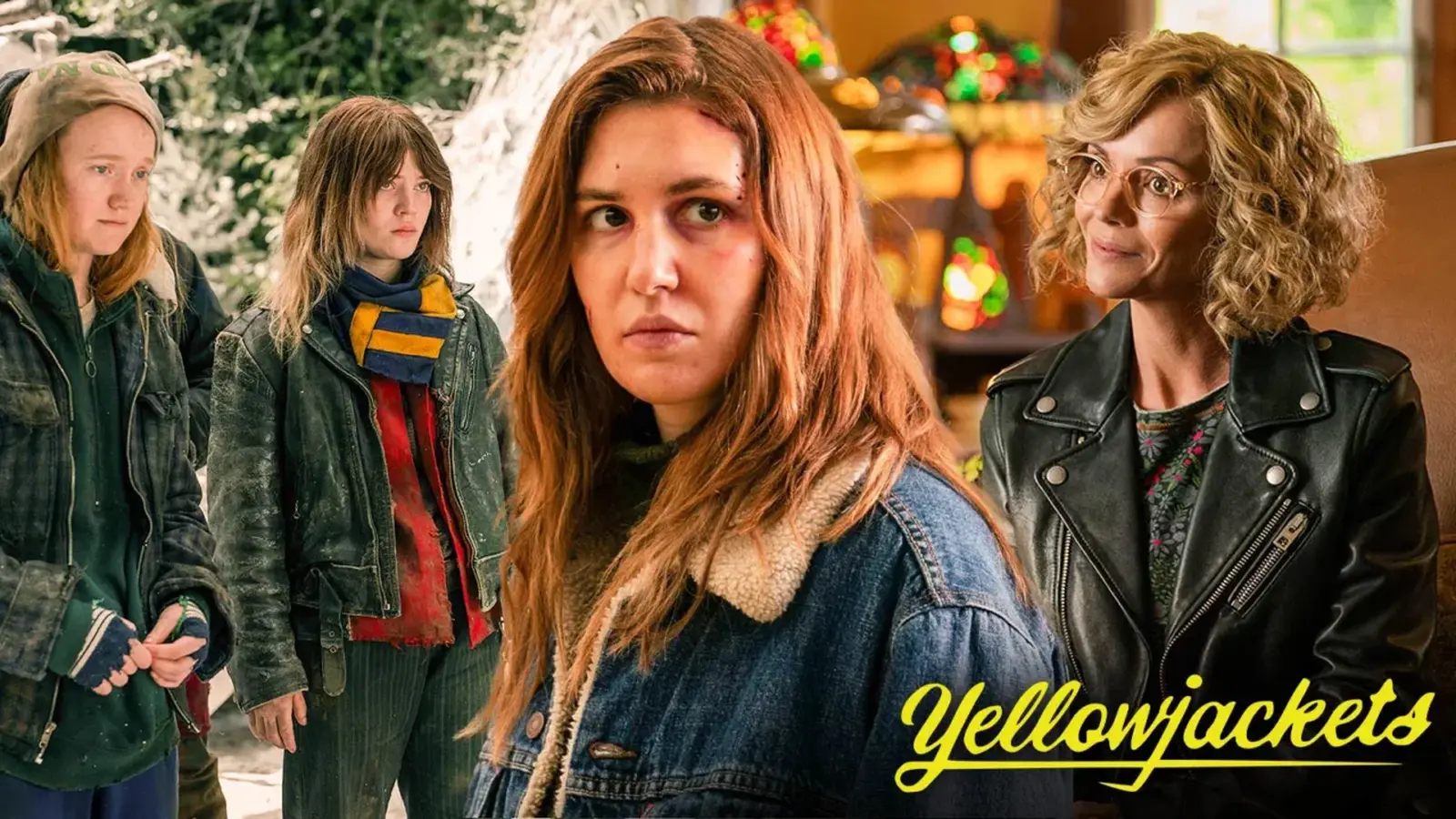
Yellowjackets has reached the moment every fan feared and waited for: the final firelight, the last secret revealed. Some viewers are cheering. Others are walking out muttering. The fourth season arrives like a storm—bracing, messy, and hard to ignore.
The show’s creators, Ashley Lyle and Bart Nickerson, return to steer this farewell, with Jonathan Lisco credited as executive producer. The twin-timeline architecture that made Yellowjackets compulsively watchable—teen survivors stranded in a 1996 wilderness and their scarred adult selves, 25 years later—remains the spine of the story. This season sets out to answer the questions that have shadowed the characters for decades: who survived, who changed, and what price they finally pay for the secrets they keep.
Critics are split. Praise and frustration sit side by side. Some reviews call the ending brave and true to the characters; others say the show has drifted from the taut clarity of its earliest episodes. Acting, mood, and a consistently dark aesthetic keep drawing viewers in. Yet the sprawling narrative and the multiplication of timelines test patience.
On Rotten Tomatoes, Season 4 holds an 82% critics score from 22 reviews; Metacritic currently lists a 58 out of 100 from 10 critics. Those numbers tell the story of a series that still fascinates while no longer commanding unanimous respect.
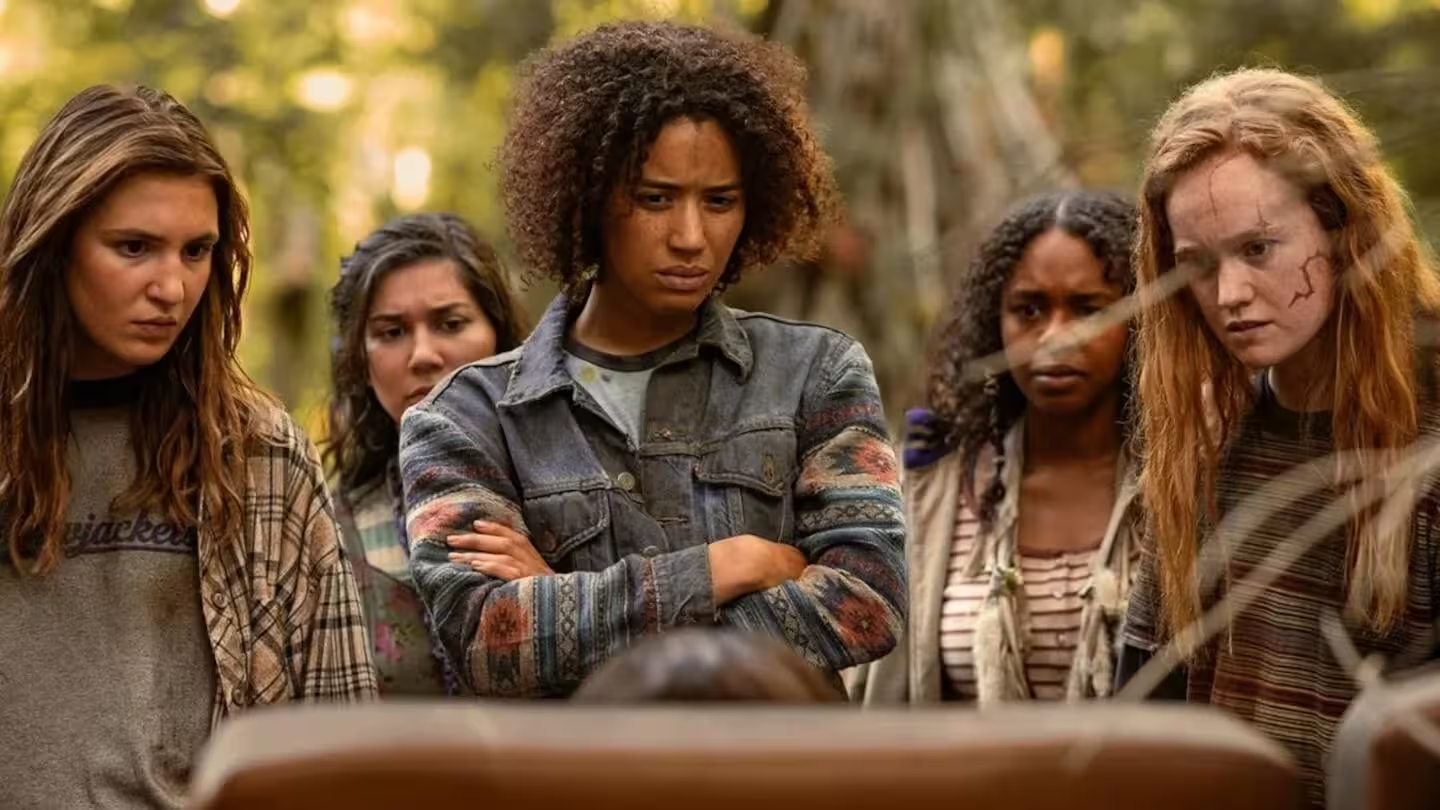
AwardsWatch’s Karen Peterson handed in a perfect score, calling the finale “completely deserved” and praising the season’s eight furious, unpredictable episodes. Her point: Yellowjackets has always been willing to show women and girls in all their fractured, terrifying complexity. Watching the end, she wrote, feels like encountering something both sick and exquisite.

Slant Magazine’s Michael Savio—less effusive but still impressed—gave a strong review and framed the finale as inevitably brutal: bloody, sorrowful, and a little unhinged. For him, the series’ addictive tension remains intact. Slashfilm’s Devin Minan noted sharp, witty dialogue and an impressive soundtrack, even as the show leans on explanatory beats that sometimes over-clarify mysteries the audience might have preferred to keep puzzling.
Collider and Screen Rant land in the middle ground. Carly Lane at Collider saw hints that the series could be finding its footing again in the closing episodes, though she flagged that the last two hours are still unseen and therefore the ultimate landing is not guaranteed. Mary Kessel at Screen Rant suggested the show may have outstayed its welcome, while acknowledging compelling performances and gruesome plot turns that remain worth watching.
Not every reviewer was won over. IGN’s Tara Bennett argued the show never recaptures the terror and momentum of season one, noting that the past timeline now spills too much into the present and makes the new episodes feel sluggish. The A.V. Club’s Saloni Gajjar and The Playlist’s Ellie Johnson both saw a series struggling under its own mythmaking—stories piling upon stories until the narrative’s original power begins to leak away.
RogerEbert.com was blunt: expanding a story already tangled across timelines into yet another layer has left the structure bloated and, in places, irreparable. Still, even that review concedes there are standout moments—scenes where the survivors face the fallout of violence with raw, unforgettable intensity. TheWrap’s Jesse Hassenger summed it up with a single observation: the show finds itself more often than it doesn’t, but those moments are increasingly sporadic.
So where does that leave viewers? If you came for character-driven horror that spies the human cost of survival and obsession, Season 4 will give you payoffs—some searing, some divisive. If you hoped for a tidy, tightly plotted final act to match the lean terror of the earliest episodes, you may feel shortchanged.
Either way, Yellowjackets finishes its run on its own stubborn terms: messy, bold, and unwilling to soften the edges of its story. The final episodes demand a willingness to stay unsettled—and they reward those who do with scenes that linger long after the credits fade.


Leave a Comment
Comments
No comments yet. Be the first.