
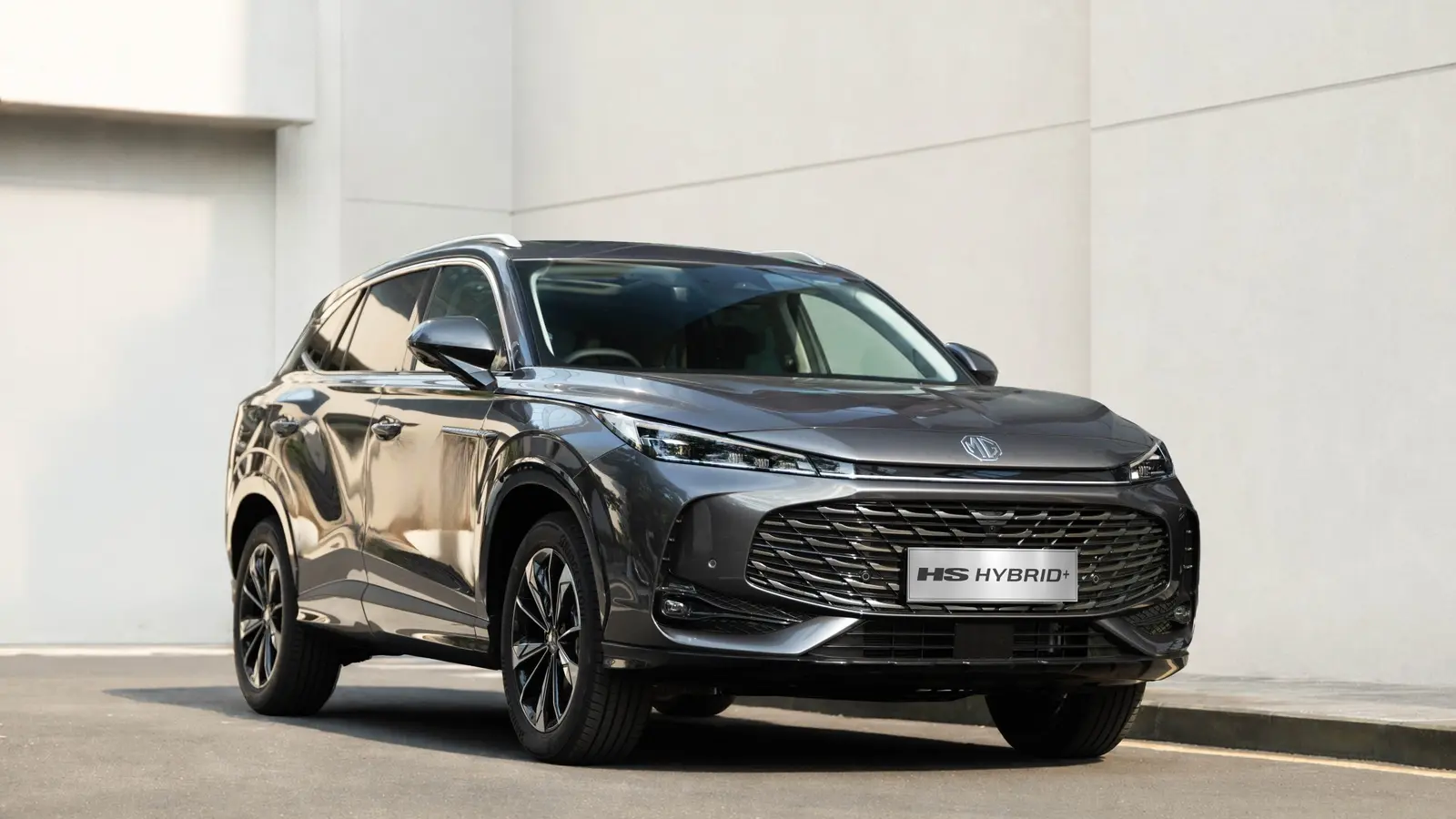
The European Union will enforce a 200-day provisional safeguard limiting imports of hybrid passenger cars from multiple exporting countries. The quota system, set out in Regulation 2026/2614, takes effect on December 1, 2026 and runs through June 18, 2027, and covers full hybrids, plug-in hybrids and mild hybrids.
Scope and timeline of the safeguard
Regulation 2026/2614 establishes temporary, country-specific quotas over a 200-day period split into three consecutive intervals: December 1, 2026 through February 28, 2027; March 1 through May 31, 2027; and June 1 through June 18, 2027. The measure applies when an individual quota for a given exporting country is exhausted; additional qualifying vehicles from that country are then prohibited from entering the EU for the remainder of the period.

Country allocations and mechanics
The Commission allocated country-specific allowances based on 2025 import volumes, with most allocations set at slightly more than 15 percent above those baseline volumes. Combined allocations for the full 200 days total 759,681 vehicles. Countries that accounted for more than 2 percent of EU hybrid imports in 2025 received individual allocations. Unused quantities carry over to the following period so that manufacturers retain access to allocations if they do not use them in an earlier interval.
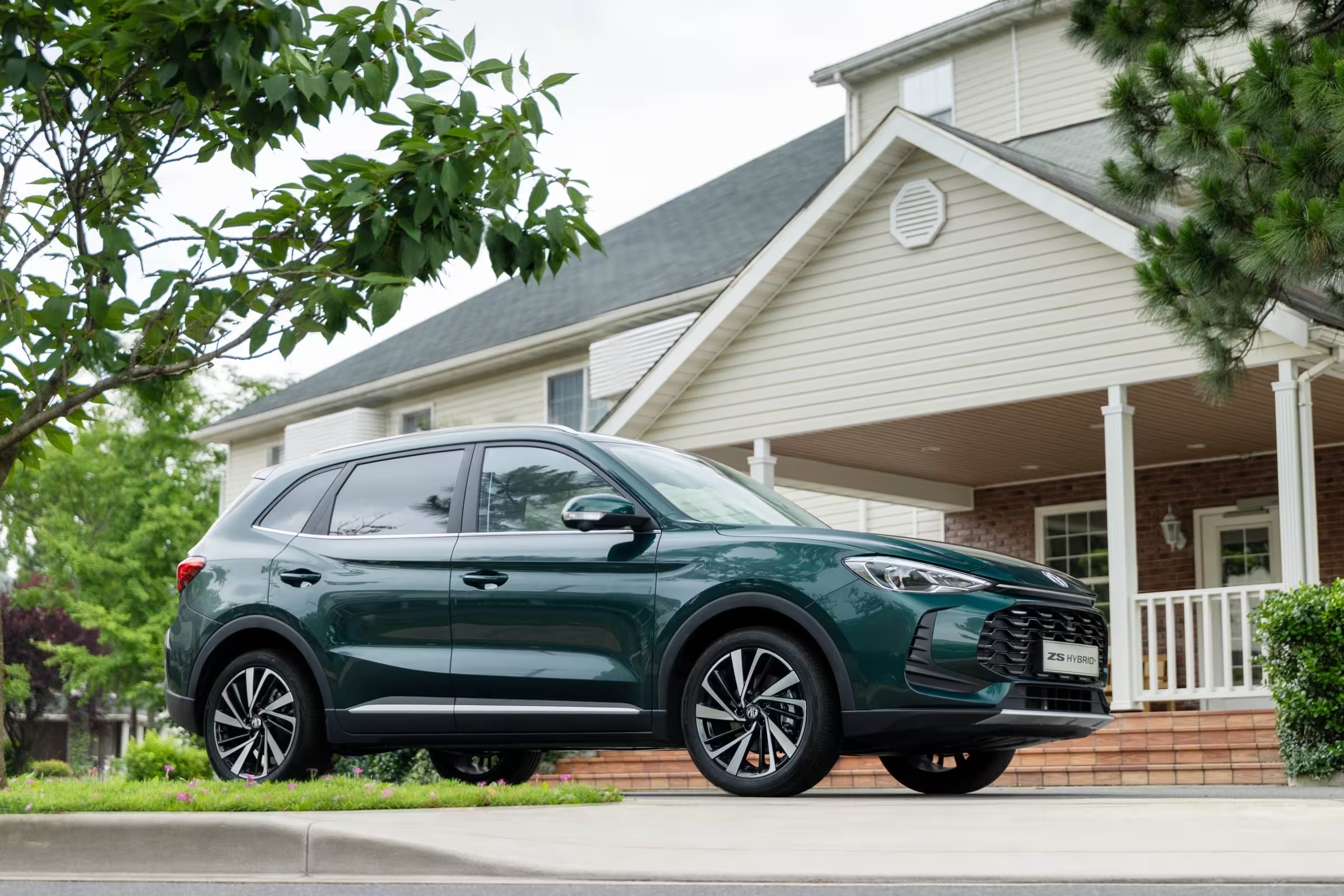
- China: 191,780 vehicles
- Japan: 170,899 vehicles
- Turkey: 126,320 vehicles
- United Kingdom: 105,402 vehicles
- South Korea: 67,924 vehicles
- Mexico: 34,755 vehicles
- Morocco: 23,954 vehicles
- Serbia: 19,353 vehicles
- United States: 18,482 vehicles
- Other countries: 822 vehicles
Origin rules, exceptions and administrative controls
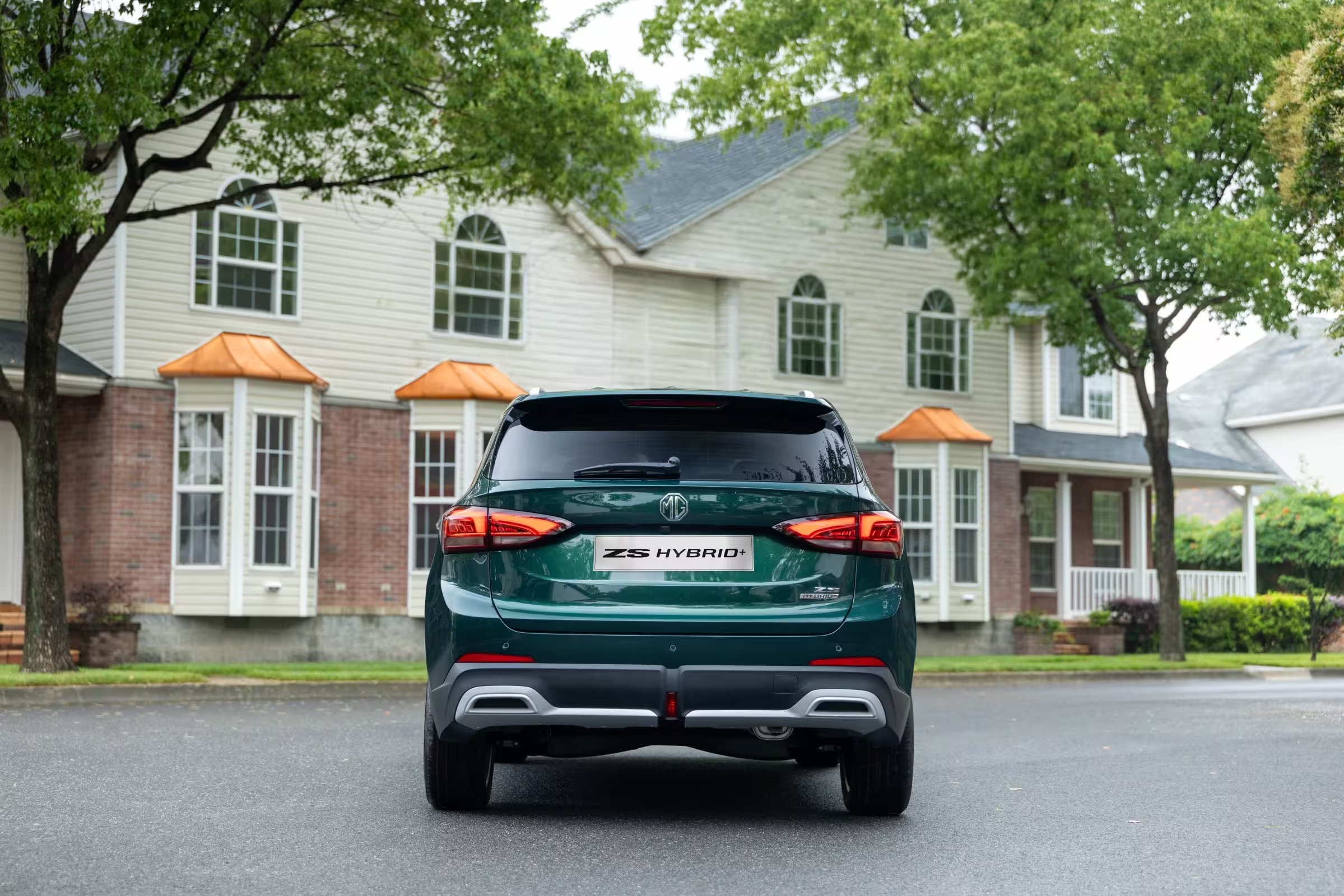
Per the regulation, customs authorities determine a hybrid vehicle's origin under the EU's non-preferential origin rules, which makes the actual production location and applicable origin criteria decisive for access to a country's allocation. The Commission cited falling domestic market share and deteriorating profitability as motivations for the safeguard.
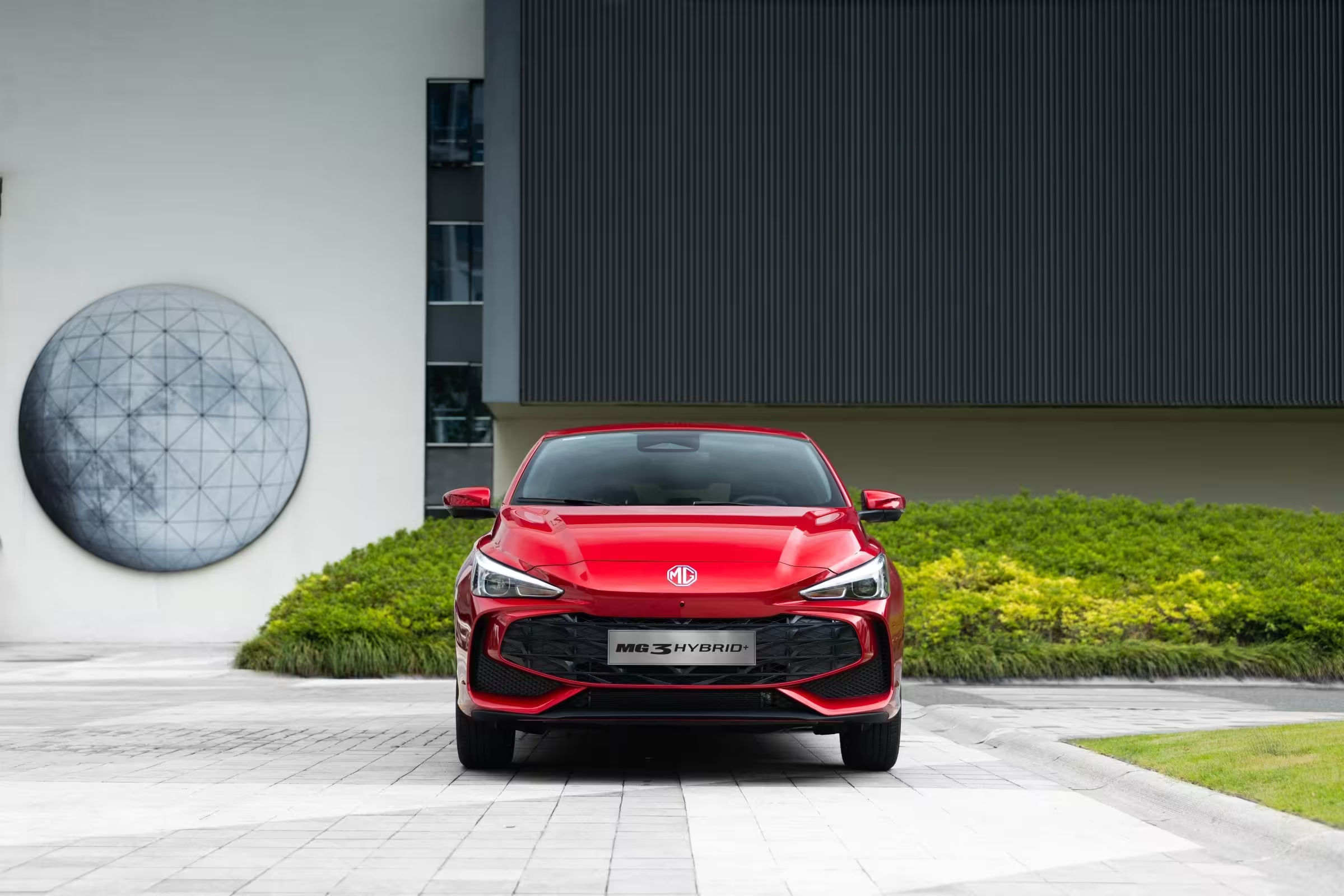
South Africa is listed as "not applicable" and is omitted from Annex I.2, which lists developing countries that exceeded the 3 percent EU hybrid import threshold in 2025; as a result, South African-built hybrids are exempt from the provisional safeguard for the time being.

Chinese exporters face an additional administrative requirement: importers seeking access to China’s allocation must present a signed and stamped export quota certificate issued by the China Chamber of Commerce for Import and Export of Machinery and Electronic Products (CCCME). The CCCME therefore controls distribution of the 191,780-vehicle Chinese cap.

Leave a Comment
Comments
No comments yet. Be the first.