
5 Minutes
Vivo X300 launch window and latest confirmations
Vivo is gearing up to unveil the X300 flagship series in China this October, and the company has begun releasing official and leaked details ahead of the debut. Vivo Product Manager Han Boxiao has verified the handset’s headline camera hardware, while respected leaker Digital Chat Station has shared additional specifics on the phone’s periscope telephoto and ultra-wide modules. These revelations sharpen expectations for the X300’s imaging system and its positioning in the premium smartphone market.
Primary camera: a bespoke 200MP Samsung sensor
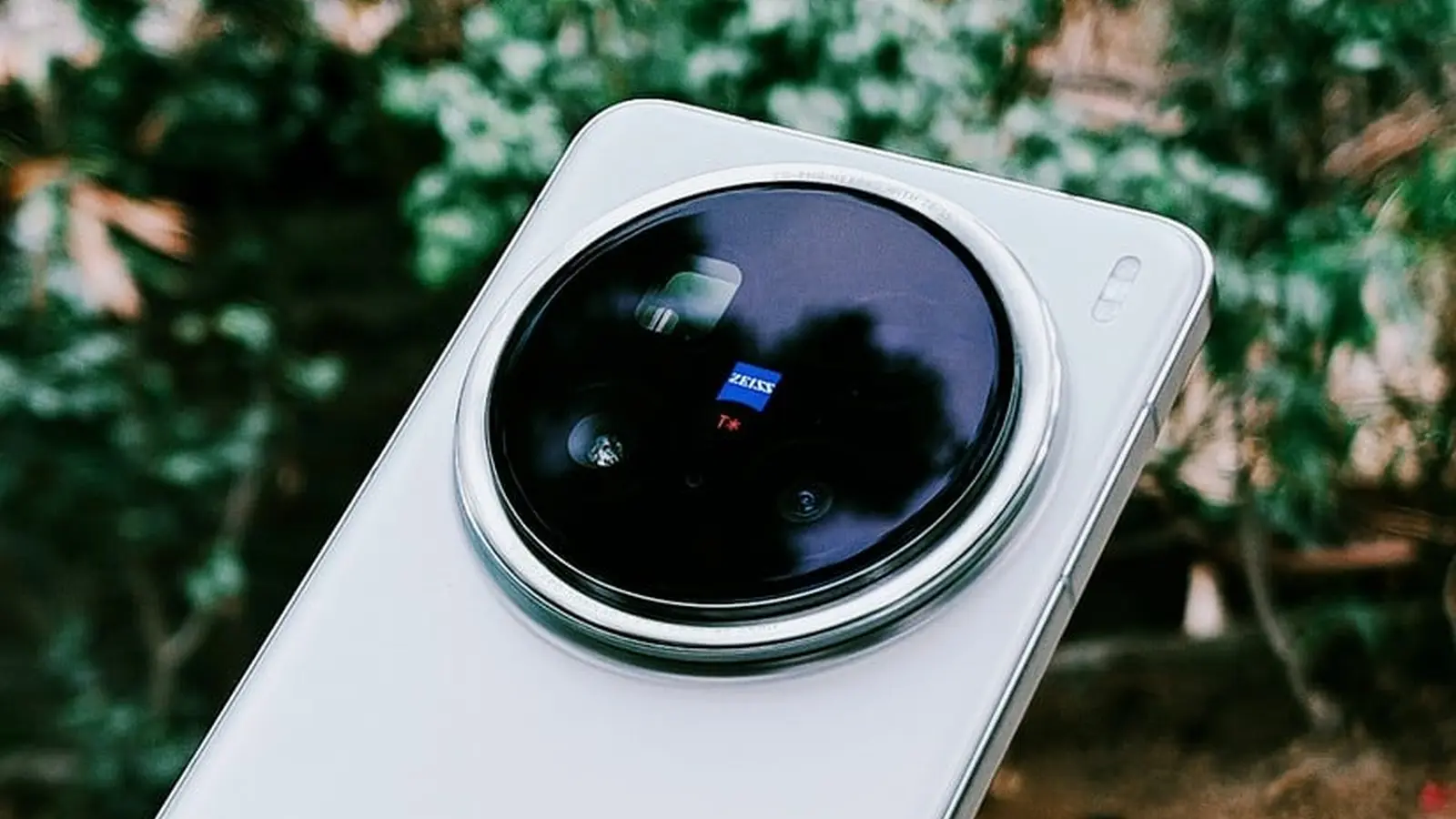
Vivo has officially confirmed that the X300 will ship with a 200-megapixel main camera based on an upgraded Samsung design. Rather than adopting Samsung’s HP10 name, Vivo is using a customized variant called the HPB — where the “B” denotes Blue, a version tuned exclusively for Vivo. This large 1/1.4-inch sensor supports both full-resolution 200MP ultra-clear output at an effective 23mm focal length and a native 50MP high-resolution 50mm shooting mode for crop/telephoto-quality portraits.
The module brings CIPA-rated 4.5-stop optical image stabilization (OIS) to reduce shake and improve handheld low-light performance. Vivo further enhances optical clarity with a blue glass filter and Zeiss T* anti-reflective coating to minimize glare and ghosting — a meaningful addition for photographers who frequently shoot in contrasty or backlit scenes. This HPB sensor replaces last year’s Sony IMX921 primary sensor used in the X200, signaling Vivo’s shift toward a Samsung-custom imaging strategy for the X300 lineup.
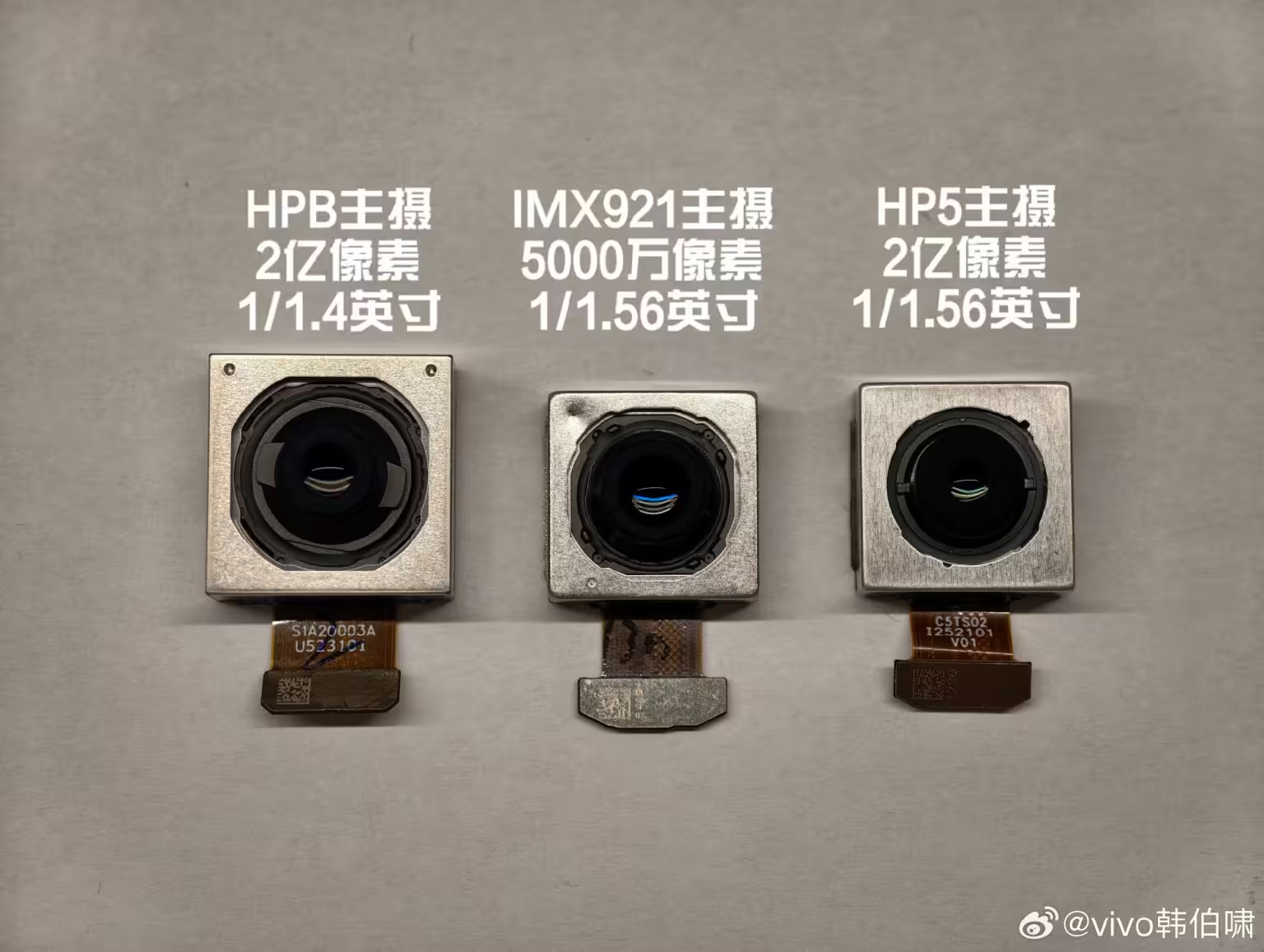
Vivo X300’s 200MP main camera placed alongside 50MP Sony IMX921 and 200MP Samsung HP5
Periscope telephoto and ultra-wide: what the leaks say
Tipster Digital Chat Station reports that the X300’s telephoto module will use Sony’s IMX885, a 1/2-inch sensor mated to a 70mm-equivalent 3x optical zoom lens. Notably, Vivo’s implementation avoids the larger “ship-style” periscope designs used by some rivals and instead relies on a light-folding prism assembly. This approach keeps the phone thinner while still supporting telephoto macro capabilities — ideal for close-ups at longer focal lengths.
Complementing the system is a 50-megapixel ultra-wide camera, with rumors pointing to either Samsung’s JN1 or the newer JN5 sensor. A higher-resolution ultra-wide improves landscape shots, macro wide-angle captures, and detailed group photos.
What to expect from the Vivo X300 Pro
Leaked specs for the Vivo X300 Pro indicate a different imaging emphasis: a 50MP Sony LYT-828 primary sensor, a 50MP ultra-wide unit, and an ambitious 200MP periscope telephoto sensor. If accurate, the Pro model will reverse the X300’s sensor hierarchy by putting the ultra-high-megapixel sensor into the telephoto role for extreme zoom and detail capture.

Features and advantages
Imaging versatility
With a 200MP HPB main sensor, a dedicated 50MP 50mm mode, a 3x periscope and a 50MP ultra-wide, the X300 promises a complete imaging toolkit for content creators, mobile photographers, and enthusiasts. Benefits include improved detail, better low-light performance from OIS and larger sensor area, and flexible framing between wide, portrait, and telephoto shots.
Optical design and image quality
Zeiss T* coating and blue glass reduce flare and ghosting, while the bespoke HPB tuning suggests Vivo and Samsung collaborated on color science and noise handling. The prism-based periscope keeps the chassis slim without sacrificing zoom optics — an advantage for users who want powerful zoom in a svelte form factor.
Use cases: who benefits most?
Photographers and social creators will appreciate 200MP high-res modes for cropping and large-format detail, the 50mm 50MP mode for portraits, and the 3x periscope for travel and wildlife shots where reach matters. The ultra-wide 50MP sensor improves group and landscape photography. Combined with improved stabilization and anti-reflective optics, the X300 targets professionals and hobbyists who need a versatile, high-quality camera system on a smartphone.
Market relevance and competition
The X300 line is expected to be among the first phones worldwide powered by MediaTek’s Dimensity 9500 platform, strengthening Vivo’s appeal in performance and efficiency. Vivo’s move to a Samsung-custom 200MP HPB sensor and a Zeiss partnership positions the X300 against rivals from Samsung, Xiaomi and Honor that emphasize both raw megapixel counts and optical innovations. By blending a high-resolution main sensor with pragmatic periscope engineering, Vivo aims to deliver a balanced flagship that competes on image quality, form factor, and processing power.
Comparison: X300 vs X200 and rivals
Compared with last year’s X200 (which used a Sony IMX921 primary sensor), the X300 upgrades to a larger 200MP HPB sensor with improved OIS and optical coatings. Against competitors, the X300’s prism-based periscope and 200MP flagship sensor strategy differentiate it from devices that favor bulkier periscope stacks or smaller ultra-wide sensors.
Launch timing and final thoughts
Both the Vivo X300 and X300 Pro are expected to debut in October. If the confirmed camera hardware and leaked telephoto/ultra-wide specs hold true, Vivo will enter the flagship market with one of the most versatile imaging suites available — combining a bespoke 200MP sensor, a practical 3x periscope and a high-resolution ultra-wide module. For buyers prioritizing mobile photography and compact design, the X300 series is shaping up to be a compelling option.








Leave a Comment
Comments
No comments yet. Be the first.